

News
-

How to Evaluate a Ductile Iron Pipe Supplier in China: A Complete Buyer Checklist
How to Evaluate a Ductile Iron Pipe Supplier in China: A Complete Buyer ChecklistRead more -
Ductile Iron Pipe Pre-Shipment Inspection Checklist: What Buyers Should Verify Before Loading
Pre-shipment inspection is the final quality gate before ductile iron pipes leave the factory for export. It happens after production but before loading into containers or bulk vessels.Ordered DIP from China and wondering what to check before the truck reaches the port? Most quality disputes start because buyers skip this step.Tiegu coordinates pre-shipment inspection as part of its one-stop sourcing service, so we see exactly where things go wrong.Why pre-shipment inspection mattersFindingRead more -

Flexible Joint Ductile Iron Pipe: How Much Deflection Can It Handle?
Flexible joint ductile iron pipe explained — typical deflection angles, how it differs from restrained joints, and when you actually need one.Read more -
Cement Lining Thickness, Quality Inspection & Common Defects
Cement lining thickness and inspection explained — how lining is actually verified, common defects decoded, and which cracks are normal versus a real quality problem.Read more -
Can Cement Lined Ductile Iron Pipe Be Used for Wastewater?
Can cement lined ductile iron pipe be used for wastewater? Yes, under specific conditions — here's exactly how to tell when standard cement lining is enough.Read more -
Cement Lined vs Epoxy Lined Ductile Iron Pipe: Which One Do You Need?
Cement lined vs epoxy lined ductile iron pipe compared — application, cost, track record, and which one fits potable water, sewer, or industrial projects.Read more -
ISO 2531 vs AWWA C104: What's the Difference in Cement Lining Requirements?
ISO 2531/EN 545 vs AWWA C104 cement lining requirements compared — thickness rules, drinking water certification differences, seal-coat practice, and a procurement checklist.Read more -
Is Cement Lined Ductile Iron Pipe Safe for Drinking Water?
Is cement lined ductile iron pipe safe for drinking water? Yes — here's what makes it safe, the certifications that confirm it, and the one detail most guides leave out.Read more -
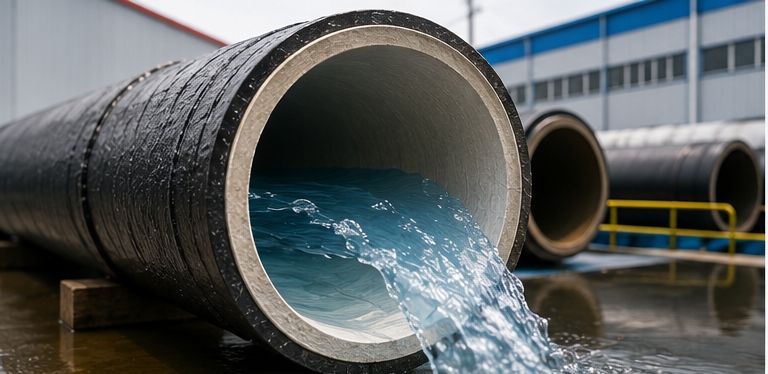
Why Are Ductile Iron Pipes Cement Lined? The Corrosion Problem It Solves
Why ductile iron pipes are cement lined — the tuberculation problem it prevents, real flow-coefficient data over time, and what it means for pipeline lifecycle cost.Read more -
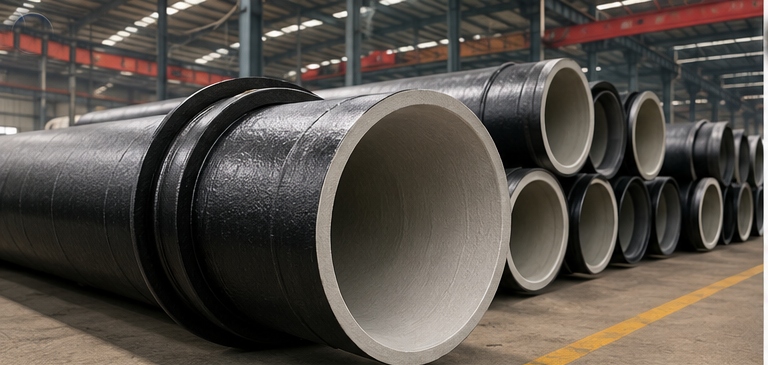
What Is Cement Lined Ductile Iron Pipe? Composition, Standards & How It Works
Cement lined ductile iron pipe explained — how the lining is applied, what standards govern it (ISO 2531/EN 545 vs AWWA C104), and why it's the default choice for water pipelines.Read more -
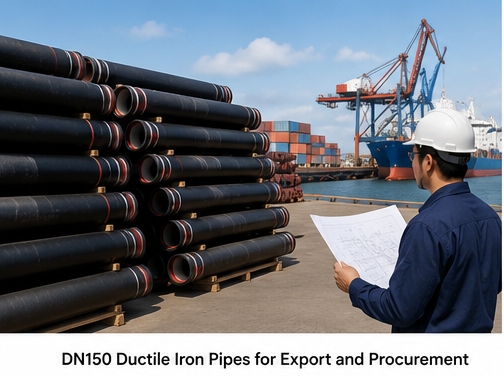
150mm Ductile Iron Pipe Price: What Determines Cost & How to Get an Accurate Quote
Real breakdown of 150mm ductile iron pipe price — why online quotes vary so widely, how ex-works, FOB, and CIF pricing differ, and what actually drives cost by class and coating.Read more -
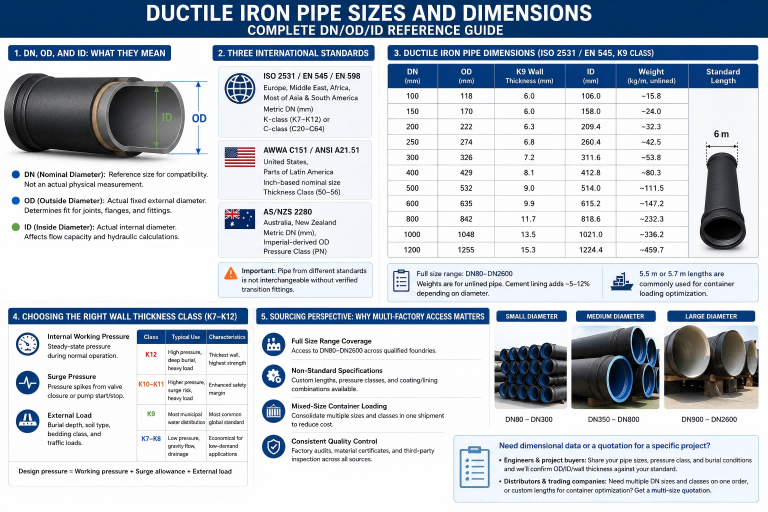
Ductile Iron Pipe Sizes and Dimensions: Complete DN/OD/ID Reference Guide
Full ductile iron pipe sizes and dimensions guide — DN80 to DN2600, OD/ID/wall thickness data, ISO 2531/EN 545/AWWA C151 standards compared, and sourcing tips for global buyers.Read more -
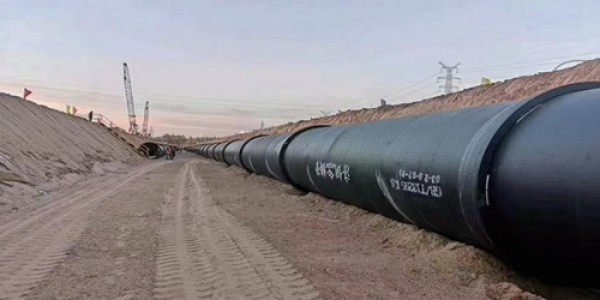
Ductile Iron Pipe Installation and Testing: Trenching, Laying, Backfill, and Hydrostatic Test
Ductile iron pipe installation and testing guide: trench preparation, pipe laying, joint assembly, backfill, and hydrostatic pressure testing for water supply projects.Read more -
Ductile Iron Pipe Push-On Joint vs Flanged Joint: Engineering Selection Guide
Push-on joint vs flanged joint ductile iron pipe — which to specify? Field comparison of installation speed, allowable pressure, angular deflection, and lifecycle cost for water supply projects.Read more -
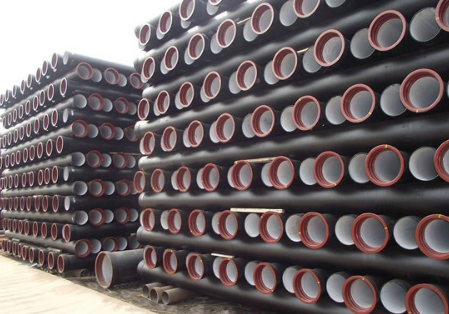
Ductile Iron Pipe Lining and Coating: Cement Mortar vs Epoxy vs Polyurethane
Ductile iron pipe lining and coating comparison: cement mortar, epoxy, and polyurethane for internal lining and external corrosion protection. Selection guide for water supply and industrial projects.Read more -
PE Wrap vs Zinc Coating: Which is Better for Ductile Iron Pipe?
PE wrap vs zinc coating for ductile iron pipe. Compare cost ($2-5/m vs $4-8/m), performance, service life, and application scenarios for optimal corrosion protection selection.Read more -
A Brief Comparison Between Ductile Iron Pipe and Ordinary Cast Iron Pipe
Learn the key differences between ductile iron pipe and ordinary cast iron pipe. Discover why ductile iron pipes offer higher strength, better toughness, improved impact resistance, and longer service life for water supply systems.Read more -
DN80–DN2000: How to Select the Right Ductile Iron Pipe Diameter for Water Projects
DN80–DN2000: How to Select the Right Ductile Iron Pipe Diameter for Water ProjectsRead more -
DN80 to DN2000: How to Select Correct Ductile Iron Pipe Diameter for Water Projects
Learn how to select the correct ductile iron pipe diameter from DN80 to DN2000 for water projects. Covers flow rate calculation, velocity optimization, and lifecycle cost analysis.Read more -
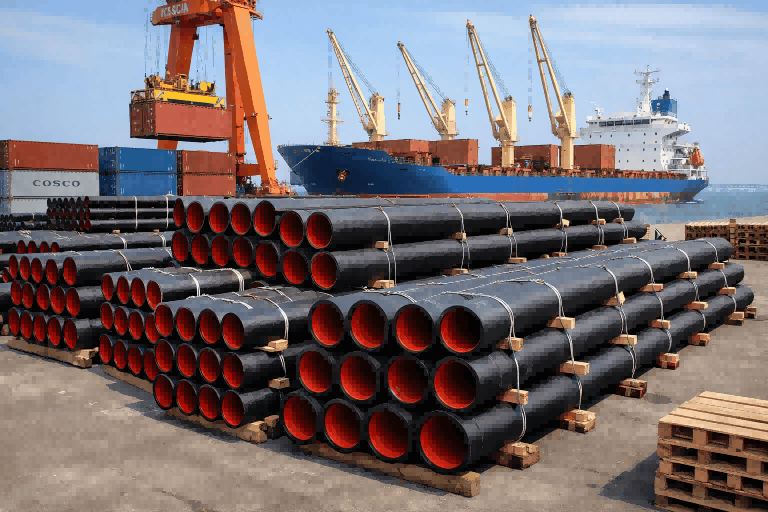
Why Do Municipal Projects Prefer K9 Ductile Iron Pipes? Pressure & Lifespan Analysis
Why municipal projects prefer K9 ductile iron pipes: pressure analysis (PN40), 50-100 year lifespan, cost comparison, and technical specifications for water infrastructure.Read more