

Can Cement Lined Ductile Iron Pipe Be Used for Wastewater?
Yes, cement lined ductile iron pipe can be used for many wastewater applications — but the honest answer depends on the specific conditions in your system, not a blanket yes or no. Standard cement mortar lining was originally developed to prevent tuberculation in potable water mains, and it does the same job effectively in non-septic wastewater conditions.
What it was never designed to do is protect against hydrogen sulfide (H2S) corrosion, which occurs under specific gravity-sewer conditions. A statement like "cement lining works fine for sewage" can be true for one section of a wastewater system and completely wrong for another section of the same pipeline — which is exactly why this needs a conditions-based answer rather than a one-size-fits-all rule.
1. The Key Distinction: Force Mains vs. Gravity Sewers
Force mains (pressure sewers). Wastewater is pumped under pressure and the pipe should flow full at all times. Because the pipe stays full, there's no air space at the crown of the pipe where hydrogen sulfide gas can accumulate — which largely eliminates the septic conditions that damage cement lining. Standard cement mortar lining is generally adequate here.
Gravity sewers. Wastewater flows downhill by gravity and generally doesn't run full, leaving an air space above the flow. Under the wrong conditions, this space allows hydrogen sulfide gas to accumulate and convert into concentrated sulfuric acid — which is aggressive toward both cement mortar and the iron pipe itself.
This is why the same pipeline can have sections where cement lining is entirely appropriate and other sections — even on the same project — where it isn't, depending on whether that segment operates as a full-flowing pressure line or a partially-filled gravity run.
2. The Specific Conditions That Determine Whether Cement Lining Is Enough
Rather than a vague "it depends," here are the actual thresholds used to judge this:
pH range. Wastewater with a pH between roughly 4.5 and 12 is generally considered non-septic and suitable for standard cement lining. Below 4.5, conditions are septic and typically require a specialty lining; above 12, conditions are alkaline and similarly damaging, also usually requiring special protection.
Minimum slope (gravity systems). A gravity sewer generally needs at least a 1% slope to keep flow moving and avoid conditions that promote septic buildup.
Minimum scour velocity. A flow velocity of at least roughly 2 ft/s helps prevent solids from settling and decomposing, which is what generates hydrogen sulfide in the first place.
When these conditions are met, standard cement-lined ductile iron pipe is generally all that's needed. When they aren't — a gravity line with insufficient slope, low flow velocity, or genuinely septic wastewater — that's when a specialty lining becomes necessary.
3. A Common Misconception Worth Correcting
This is worth stating plainly, because it's a genuinely common point of confusion in the industry: cement lining was never designed to protect against hydrogen sulfide or microbiologically-induced corrosion. Increasing pipe wall thickness doesn't solve this problem either — thickness addresses structural load, not chemical attack on the lining. A blanket statement that "cement lining is fine for sewage" is an oversimplification that can lead to real project problems if applied to a section of pipeline where septic conditions actually exist.
The more accurate way to specify a wastewater project is to evaluate conditions station-by-station along the pipeline route, rather than assuming one lining choice for the entire system. It's common — and often more cost-effective — for a single project to use standard cement-lined pipe on force main sections and a specialty lining only on the specific gravity sections where septic conditions are actually expected, rather than over-specifying premium lining across an entire line that doesn't need it everywhere.
4. A Material Difference Worth Knowing: Cement Type Varies by Application
Here's a detail that rarely comes up: under European practice (ISO 2531/EN 545 and EN 598), the actual cement used in the lining mortar differs by application. Potable water lining typically uses ordinary Portland cement. Sewage lining commonly uses sulfate-resisting cement or high-alumina cement instead — materials better suited to withstanding the sulfate and acidic byproducts that can occur in wastewater conditions. This is a specification detail worth confirming with your supplier specifically for sewage projects, rather than assuming the same cement mix used for water pipe is automatically supplied for a sewer order.
5. When You Genuinely Need a Specialty Lining Instead
Certain conditions call for epoxy or ceramic epoxy lining rather than standard cement, regardless of the general conditions above:
Confirmed septic sewage with sustained low pH from hydrogen sulfide conversion to sulfuric acid
High-strength organic acid discharges — restaurant, bar, and food-service laterals carrying concentrated citric acid or alcohol-based effluent have been documented as some of the fastest-failing cement-lined sections in real systems, since these acids attack cement lining aggressively
Any gravity sewer segment that cannot reliably meet the slope and scour velocity thresholds above
For a full comparison of when epoxy lining is the right call, see [Cement Lined vs Epoxy Lined Ductile Iron Pipe].
6. Procurement Guidance for Wastewater Projects
Provide actual water/wastewater chemistry data to your supplier — pH range, expected H2S exposure, and whether the line segment is gravity or pressure-fed — rather than simply specifying "sewage pipe" as a generic category.
Evaluate your route by segment, not as a single uniform specification, since force main and gravity sections often have genuinely different lining requirements within the same project.
Confirm the specific cement type used in the lining if you're sourcing for a project under ISO 2531/EN 545/EN 598, since sewage-appropriate cement differs from standard potable-water cement.
If different sections of the same pipeline require different linings, clearly identify these segments in the project documentation before requesting quotations. This helps avoid production errors and unnecessary coating costs.
7. Frequently Asked Questions
Can I use standard cement lined pipe for a sewage force main?
Generally yes — since force mains flow full under pressure, hydrogen sulfide typically can't accumulate to damaging levels, and standard cement mortar lining is usually adequate.
Is cement lining safe for gravity sewers?
It depends on whether the specific segment maintains non-septic conditions — roughly pH 4.5–12, with sufficient slope (around 1% minimum) and scour velocity (around 2 ft/s minimum) to prevent solids buildup. Segments that can't reliably meet these conditions typically need a specialty lining instead.
Does cement lining protect against hydrogen sulfide corrosion?
No — this is a common misconception. Cement lining was developed to prevent tuberculation from mineral buildup in water, not to resist the sulfuric acid produced by hydrogen sulfide conversion in septic sewer conditions. Increasing wall thickness doesn't solve this either, since it's a chemical attack issue, not a structural one.
Do I need the same lining for the entire length of a sewage pipeline?
Not necessarily. It's common and often more economical to specify standard cement-lined pipe for force main and non-septic sections, reserving specialty lining only for the specific gravity segments where septic conditions are genuinely expected.
What wastewater conditions are the most damaging to cement lining?Beyond general septic (low-pH, high-H2S) conditions, high-strength organic acid discharges — such as restaurant or bar laterals carrying concentrated citric acid or alcohol residue — have been documented as some of the fastest-failing conditions for cement-lined pipe in real systems.
Getting the lining specification right for a wastewater project — rather than defaulting to one lining choice across an entire pipeline — depends on the actual conditions in each segment. Tiegu helps international buyers evaluate wastewater project conditions and coordinates with qualified factories to supply the appropriate lining for each part of the system.
📐 Engineers & project buyers: Share your wastewater project's pH range, flow conditions, and pipeline layout, and we'll help confirm where standard cement lining is sufficient and where a specialty lining is needed. Submit your project requirements →
📦 Distributors & trading companies: Sourcing mixed lining specifications for a wastewater project? We coordinate across qualified factories to supply the right lining for each segment of an order. Get a quotation →
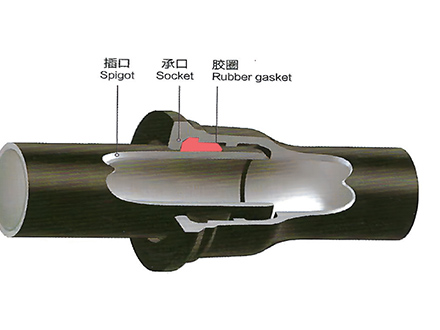 GT-type Joint Ductile Iron Pipe
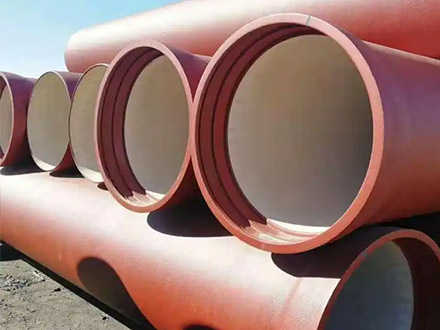
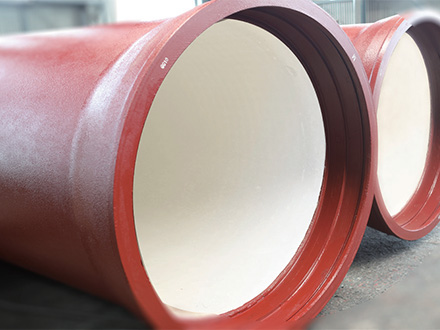 Sewage Pipe (Ductile Iron Sewage Pipe)
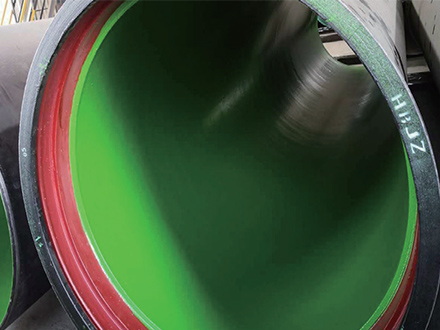 Special Coating Pipe (Ductile Iron Pipe with Special Coatings)