

DN80–DN2000: How to Select the Right Ductile Iron Pipe Diameter for Water Projects
Straight Answer First
In real water supply projects, selecting ductile iron pipe diameter is not a theoretical exercise—it is mainly driven by flow demand, pressure conditions, and how the pipeline will actually operate in the field.
Most municipal and infrastructure projects end up using pipes in the DN100–DN600 range, while larger transmission mains may go beyond DN800 depending on system scale.
If the diameter is too small, you will face pressure loss and reduced efficiency. If it is oversized, you increase material cost and installation difficulty without real benefit.
So in practice, engineers always balance hydraulic demand vs. construction economy.
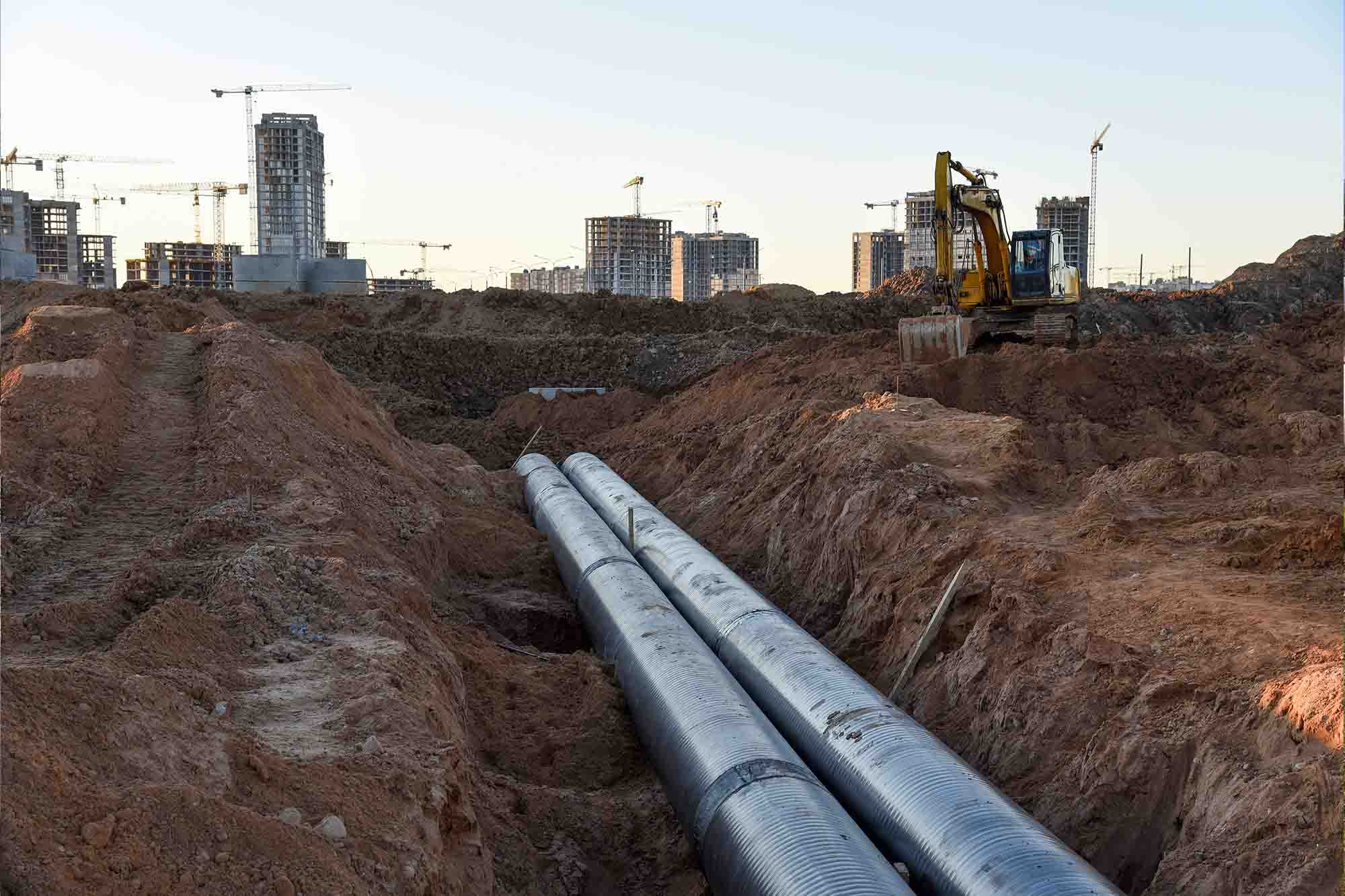
Real Project Application Scenarios
Ductile iron pipe diameter selection is not universal—it depends heavily on the project type:
Municipal water supply systems → stable distribution networks in cities
Rural water supply projects → smaller DN sizes, cost-sensitive design
Industrial water systems → higher pressure stability required
Drainage and sewage pipelines → gravity or low-pressure flow conditions
Long-distance transmission mains → larger DN sizes for efficiency
In most real projects, engineers already know the system type before selecting DN size—this is why “application scenario” matters more than theoretical tables.
Core Engineering Decision Factors
① Flow demand (Hydraulic requirement)
This is the starting point of every pipeline design.
High flow → larger DN required
Low flow → smaller DN sufficient
If underestimated, the system will suffer from pressure drop and flow restriction. If overestimated, the project becomes unnecessarily expensive.
② Pressure class (K7 / K9 / K12 selection impact)
Diameter selection is always linked with pressure class.
Higher pressure systems often require both stronger class and optimized DN
Wrong combination leads to either structural risk or cost inefficiency
In real engineering work, DN and pressure class are designed together, not separately.
③ Project scale and network layout
A single pipeline behaves differently from a full distribution network.
Urban networks → multiple medium DN branches
Transmission pipelines → fewer but larger DN mains
Engineers usually prefer modular sizing rather than extreme DN values unless absolutely necessary.
④ Installation and site constraints
Field conditions often decide the final DN more than design theory:
trench width limitations
transportation and lifting capability
connection with existing pipelines
In many real projects, DN is adjusted during construction stage due to site constraints.
Engineering Experience Logic (What actually happens in real projects)
From real-world engineering practice, diameter selection is rarely “perfect calculation”—it is more of a balance decision.
Most commonly used range: DN100–DN600
Typical usage scenario: urban water distribution and branch pipelines
Why engineers prefer mid-range DN:
easier installation
lower risk in pressure fluctuation
better cost-performance balance
One common mistake in projects is over-designing the pipeline diameter “for safety,” which often leads to unnecessary material cost without improving system performance.
Another real issue is underestimating future expansion needs, especially in rapidly growing urban areas.
Practical Engineering Advice (Field-based insights)
Based on project experience, here are several key points engineers usually consider:
Do not select DN size based only on peak demand
Real systems operate under fluctuating flow conditions, not peak values all the time.Cost vs performance balance matters more than maximum capacity
Oversized pipelines rarely deliver proportional benefits.Contractor installation capability affects final selection
Some DN sizes are harder to handle on-site, especially in constrained urban areas.
In many cases, the “best theoretical DN” is not the “best practical DN”.
Simple Reference Table (Support only, not the main logic)
| DN Range | Typical Application | Engineering Use |
|---|---|---|
| DN80–DN150 | Branch lines | Small distribution systems |
| DN200–DN400 | Urban water networks | Main distribution pipelines |
| DN500–DN800 | Large municipal systems | Transmission pipelines |
| DN900+ | Infrastructure projects | Long-distance or high-capacity mains |
Final Engineering Conclusion (Natural CTA)
Pipe diameter selection is not just a design step—it directly affects system efficiency, construction cost, and long-term maintenance performance.
In real engineering projects, the best results come from balancing hydraulic design, field conditions, and construction practicality.
If you are working on a water supply or infrastructure project and need support in selecting the correct pipe diameter, pressure class, and coating system, engineering guidance can be provided based on your project drawings and technical requirements.
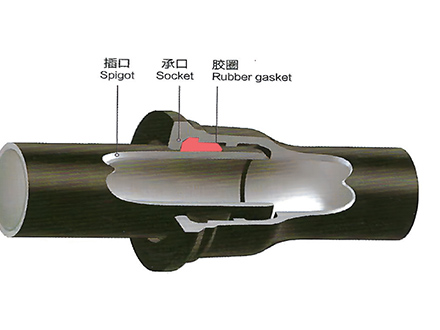 GT-type Joint Ductile Iron Pipe
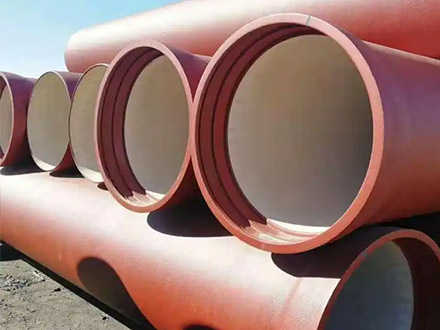
 Sewage Pipe (Ductile Iron Sewage Pipe)
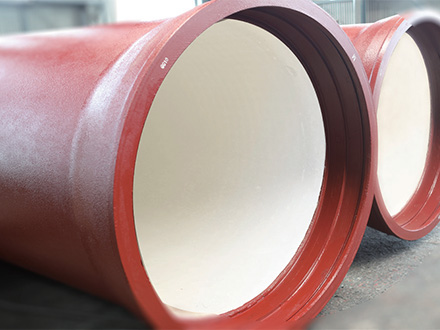
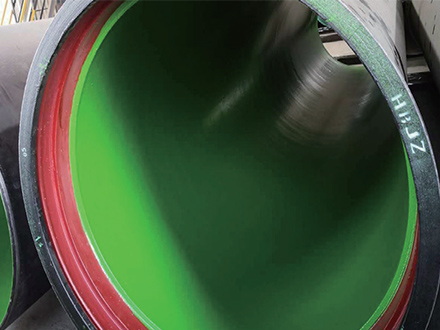 Special Coating Pipe (Ductile Iron Pipe with Special Coatings)