

Ductile Iron Pipe Pre-Shipment Inspection Checklist: What Buyers Should Verify Before Loading
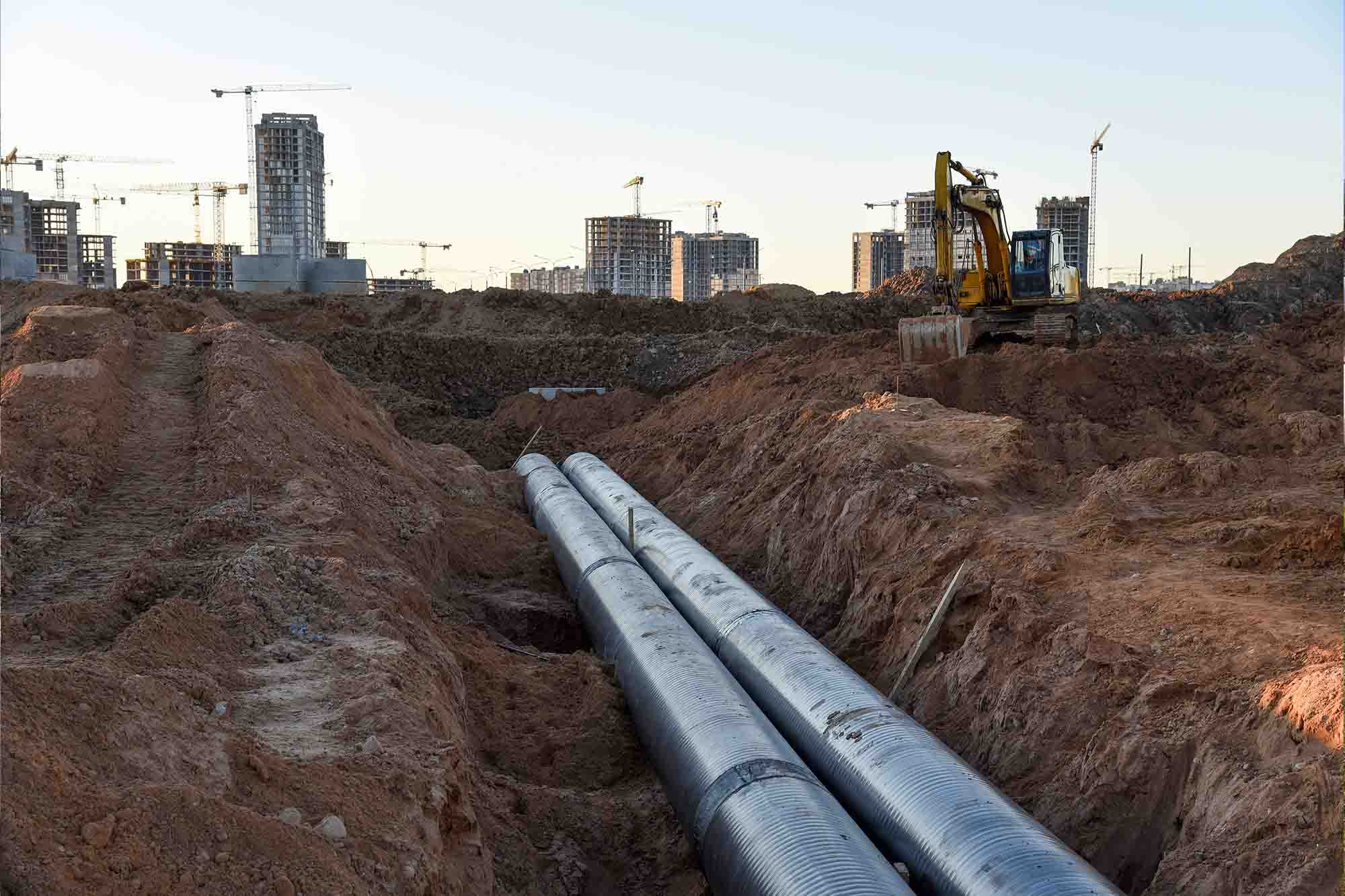
Pre-shipment inspection is the final quality gate before ductile iron pipes leave the factory for export. It happens after production but before loading into containers or bulk vessels.
Ordered DIP from China and wondering what to check before the truck reaches the port? Most quality disputes start because buyers skip this step.
Tiegu coordinates pre-shipment inspection as part of its one-stop sourcing service, so we see exactly where things go wrong.
Why pre-shipment inspection matters
Finding a defect after the pipes arrive at your port is expensive. The pipe is already 10,000 km away, and your leverage is gone.
| Problem | Real cost |
|---|---|
| Container stuck at port during dispute | $50–150 demurrage per day |
| Remaking the batch | 30–45 days lead time |
| Project delay | Water authority penalties, reputational risk |
A qualified inspection runs 0.3–0.8% of order value. That is cheap insurance against a 40-day replacement cycle.
Step 1 — Documentation review
Before touching a single pipe, verify the papers against your purchase order.
Mill Test Certificate (MTC) — chemical and mechanical values per heat number
Inspection report — hydrostatic, dimensional, and coating results
Certificate of Conformity (CoC) — issued to the standard you specified (see our standards & certification page)
Pipe marking — standard, DN, pressure class, manufacturer, year, heat number
Cross-check one thing buyers miss: the heat numbers on the MTC must match the heat numbers stamped on the pipes. Mismatched numbers mean the certificate does not describe the pipe in front of you. Read more on what documents a reliable supplier provides.
Step 2 — Dimensional and visual check
Ductile iron pipe is made to tight tolerances. Measure, do not assume.
| Parameter | Acceptance tolerance |
|---|---|
| Outer diameter | ±1% (DN80–600), ±1.5% (≥DN700) |
| Wall thickness | ±(0.1t + 0.5 mm) |
| Length | 6 m ± 50 mm |
| Straightness | ≤ 0.125% of length |
| Socket dimensions | Match joint type (TYTON / flanged) |
Visually, reject pipes with cracks, cold shut (a seam-like defect from incomplete mold filling), excessive porosity, or damaged end faces. Plastic end caps should be seated and intact. Full dimensional reference is here.
Step 3 — Coating and lining verification
This is where suppliers quietly substitute. Verify what you ordered, not what is convenient.
External zinc: ≥130–200 g/m² (per ISO 8179 or EN 545)
Bitumen coating: ≥70 μm, no bubbles or peeling
Cement lining: ≥3 mm (DN≤300) / ≥4 mm (DN≥350), no cracking or detachment
Epoxy / polyurethane: dry film ≥250 μm, adhesion pass
PE encasement: continuous wrap, no gaps or wrinkles
See the full coating & lining systems page for protection levels by environment.
Inquire about coating specifications and pre-shipment support →
Step 4 — Pressure and performance testing
Hydrostatic testing proves the pipe will hold pressure in the ground.
ISO 2531 requires testing per production batch. EN 545 requires 100% of pipes tested — a stricter bar. Either way, request the test records and confirm they show PASS before loading. Our third-party testing process guide explains the roles involved.
For special pipes (large diameter, restrained joints), optional non-destructive testing applies: ultrasonic (UT) full-body scan, radiographic (RT) checks on welds. Details on hydrostatic testing procedures.
Step 5 — Packing and loading
The last step is often the most careless.
End caps sealed, bundling straps with spacers to prevent pipe-to-pipe contact
Confirm container or bulk mode matches your booking
Request loading photos: wide angle plus close-up of pipe markings
Count against the packing list, seal the container under watch
A photo of the sealed container with the correct count ends most "short delivered" disputes before they start.
FAQ
Who performs the inspection?
You have three options: the supplier's QC team, a third-party inspector (SGS, BV, TÜV), or your own staff. For a first order, third-party inspection removes doubt. On repeat orders with an established supplier, the supplier's own QC is usually sufficient.
How long does it take?
A standard batch takes 1–3 days, depending on quantity and test scope. Larger orders or 100% hydrostatic testing extend the timeline, so build it into your production schedule rather than the shipment window.
Who pays for it?
Negotiate upfront. A common split: the supplier covers routine QC, the buyer covers third-party inspection. Put the responsibility in the contract before production starts, not after a dispute.
What if pipes fail?
Reject the non-conforming batch, request a remake or price adjustment, and document everything with dated photos. Your contract should state this clearly. Catching it before loading is far cheaper than after the container has sailed.
Can inspection happen after loading?
No. Once loaded and sealed, you lose leverage. Inspect before the container is closed. A sealed container with a count or condition discrepancy is nearly impossible to dispute successfully.
Tiegu is a China-based ductile iron pipe sourcing and export partner serving international water infrastructure, wastewater, and industrial projects.
We supply DN80–DN2600 ductile iron pipes and fittings manufactured according to ISO 2531, EN 545, EN 598, and AWWA standards, with cement mortar lining, epoxy lining, and various external coating options.
From technical specification confirmation and supplier coordination to quality inspection, export documentation, and logistics support, Tiegu provides a reliable one-stop sourcing solution under a single commercial contract.
Inquire about specifications and pricing →
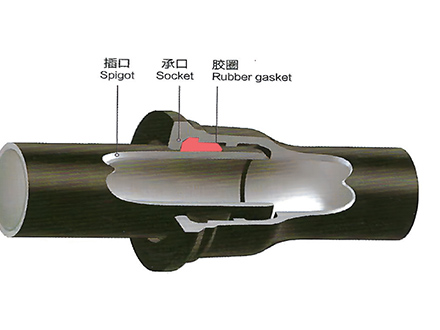 GT-type Joint Ductile Iron Pipe
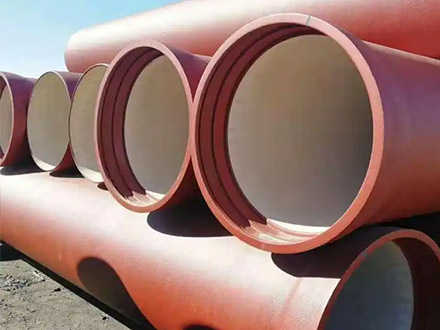
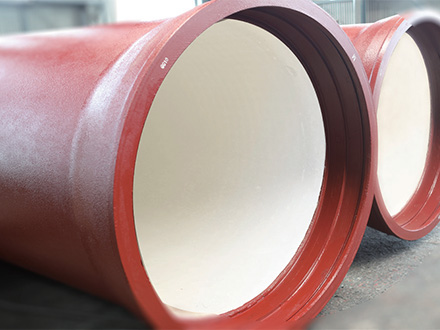 Sewage Pipe (Ductile Iron Sewage Pipe)
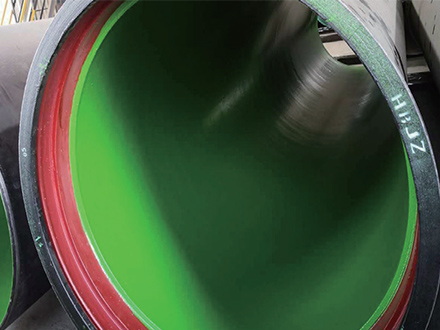 Special Coating Pipe (Ductile Iron Pipe with Special Coatings)