

PE Wrap vs Zinc Coating: Which is Better for Ductile Iron Pipe?
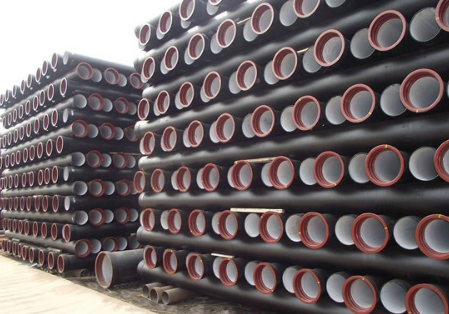
How Do Protection Mechanisms Differ?
PE wrap and zinc coating protect pipe through fundamentally different mechanisms:
Polyethylene Encasement (Barrier Protection)
PE wrap creates a physical barrier between pipe and soil:
Mechanism: Prevents soil, moisture, and corrosive elements from contacting pipe surface
Material: 8-mil (0.20mm) or 12-mil (0.30mm) virgin polyethylene film
Standard: ISO 12234, ANSI/AWWA C105/A21.5
Protection type: Passive barrier (no chemical reaction)
Failure mode: Physical damage (punctures, tears) allows soil contact
Zinc Coating (Sacrificial Cathodic Protection)
Zinc coating provides active electrochemical protection:
Mechanism: Zinc sacrificially corrodes instead of iron (galvanic protection)
Material: Zinc or zinc-aluminum alloy (130-400 g/m²)
Standard: ISO 8179, ANSI/AWWA C104/A21.4
Protection type: Active cathodic (sacrificial anode)
Failure mode: Zinc depletion over time (consumed by corrosion)
Protection Mechanism Comparison
| Characteristic | PE Wrap | Zinc Coating | Advantage |
|---|---|---|---|
| Protection Type | Barrier (physical separation) | Cathodic (sacrificial) | Context-dependent |
| Self-Healing | No | Yes (minor scratches) | Zinc ✅ |
| Chemical Resistance | Excellent (inert) | Good (zinc reacts with acids) | PE ✅ |
| UV Resistance | Good (with carbon black) | Excellent | Zinc ✅ |
| Temperature Range | -40°C to +60°C | -200°C to +200°C | Zinc ✅ |
| Soil Independence | Yes (barrier works in all soils) | No (effectiveness varies with soil resistivity) | PE ✅ |

What is the Cost Difference?
PE wrap offers significant cost advantage:
Initial Cost Comparison
| Protection System | Cost per Meter | Cost per Ton | Relative Cost |
|---|---|---|---|
| PE Wrap (8-mil) | $2-5 | $30-80 | Baseline (1x) |
| PE Wrap (12-mil) | $3-7 | $50-110 | 1.5x |
| Zinc Coating (130 g/m²) | $4-8 | $70-130 | 2x |
| Zinc-Aluminum (400 g/m²) | $6-12 | $100-200 | 2.5-3x |
| Dual Protection (Zinc + PE) | $10-20 | $170-330 | 4-5x |
Lifecycle Cost (50 Years)
Considering service life and maintenance:
| Protection System | Initial Cost | Maintenance (50 years) | Total Lifecycle Cost |
|---|---|---|---|
| PE Wrap (8-mil) | $2-5/m | $0 (no maintenance) | $2-5/m |
| Zinc Coating | $4-8/m | $0 (no maintenance) | $4-8/m |
| Dual Protection | $10-20/m | $0 (no maintenance) | $10-20/m |
How Does Service Life Compare?
Both systems offer long service life, but with different characteristics:
PE Wrap Service Life
| Condition | Expected Lifespan | Field Evidence |
|---|---|---|
| Normal soil (resistivity > 5,000) | 50-75+ years | 40+ year field studies confirm |
| Aggressive soil (2,000-5,000) | 40-60 years | Field verified |
| Very aggressive (< 2,000) | 30-50 years | Limited field data |
| Above-ground (UV exposed) | 10-20 years | UV degradation accelerates |
Zinc Coating Service Life
| Condition | Expected Lifespan | Notes |
|---|---|---|
| Atmospheric (above-ground) | 30-50 years | Excellent UV resistance |
| Buried in normal soil | 40-60 years | Zinc consumption rate: 5-10 μm/decade |
| Buried in acidic soil (pH < 6) | 20-30 years | Zinc reacts with acids, faster consumption |
| Submerged in seawater | 15-25 years | High chloride accelerates zinc corrosion |
Service Life Comparison Summary
Buried applications: PE wrap = zinc coating (both 40-60 years in normal soil)
Above-ground: Zinc coating superior (PE wrap degrades with UV exposure)
Acidic soil: PE wrap superior (zinc reacts with acids)
Seawater: Neither ideal — use epoxy coating + cathodic protection
Which Soil Conditions Suit Each Method?
Soil conditions determine optimal protection selection:
PE Wrap — Best For:
✓ Normal soil (resistivity > 5,000 ohm-cm)
✓ Aggressive soil (resistivity 2,000-5,000 ohm-cm)
✓ Acidic soil (pH < 6.0) — zinc would react
✓ Alkaline soil (pH > 9.0)
✓ High chloride content (> 100 ppm)
✓ High sulfate content (> 1,000 ppm)
✓ Microbiologically active soil (MIC risk)
Zinc Coating — Best For:
✓ Normal soil (resistivity 3,000-10,000 ohm-cm)
✓ Above-ground sections (excellent UV resistance)
✓ Industrial atmospheres (chemical plant, refinery)
✓ Coastal atmospheres (salt spray, but not submerged)
✓ Areas with stray current interference (zinc provides CP)
✓ Rocky backfill (zinc self-heals minor scratches)
Dual Protection (Zinc + PE Wrap) — Best For:
✓ Very aggressive soil (resistivity < 2,000 ohm-cm)
✓ Critical pipelines (high consequence of failure)
✓ Submerged crossings (with additional cathodic protection)
✓ Uncertain soil conditions (maximum insurance)
✓ Extended design life requirements (75-100 years)
How Does Installation Compare?
Installation requirements differ significantly:
PE Wrap Installation
| Aspect | Factory-Applied | Field-Applied |
|---|---|---|
| Cost | $2-5/m (included in pipe cost) | $5-10/m (separate labor) |
| Quality Control | Excellent (automated machines) | Variable (crew-dependent) |
| Installation Speed | Immediate (pipe ready to install) | 2-3 days per km delay |
| Handling Care | Moderate (avoid punctures) | High (wrap can slip during installation) |
Zinc Coating Installation
| Aspect | Factory-Applied | Field-Applied |
|---|---|---|
| Cost | $4-8/m (included in pipe cost) | Not practical (requires specialized equipment) |
| Quality Control | Excellent (controlled process) | N/A (always factory-applied) |
| Installation Speed | Immediate (pipe ready to install) | N/A |
| Handling Care | Low (zinc is durable, self-healing) | N/A |
What Are the Limitations of Each Method?
PE Wrap Limitations
Zinc Coating Limitations
📋 Get Free Protection Recommendation
Share your soil test results and project requirements — receive protection selection recommendation and cost comparison within 24 hours
Which Should You Choose for Your Project?
Decision matrix based on application:
| Application | Recommended Protection | Alternative | Avoid |
|---|---|---|---|
| Buried water pipeline (normal soil) | PE Wrap (8-mil) | Zinc + bitumen | Dual protection (overkill) |
| Buried pipeline (aggressive soil) | PE Wrap (12-mil) | Zinc + epoxy | Unprotected |
| Above-ground sections | Zinc + epoxy topcoat | PE Wrap (if shaded) | Bare pipe |
| Submerged crossings | Epoxy + cathodic protection | Dual protection + CP | PE wrap alone, zinc alone |
| Industrial environment | Zinc + epoxy | Dual protection | PE wrap (chemical exposure) |
| Acidic soil (pH < 6.0) | PE Wrap (12-mil) | Epoxy coating | Zinc coating (will react) |
| Critical pipeline (high consequence) | Dual protection (zinc + PE) | PE Wrap (12-mil) + CP | Single protection |
How Tiegu Helps with Protection Selection?
When sourcing ductile iron pipe from China, selecting appropriate corrosion protection is critical for long-term pipeline performance and lifecycle cost. Tiegu works with a network of qualified foundries across different regions in China, allowing us to understand real production conditions and quality stability beyond documentation. We coordinate multiple suppliers based on technical requirements and production capacity. We help verify soil test reports and match appropriate protection methods, coordinate with certified factories for ISO 12234-compliant PE wrap or ISO 8179-compliant zinc coating, arrange third-party inspections for coating thickness and quality verification, and provide complete documentation including material certificates, inspection reports, and compliance documentation — preventing common failures such as incorrect protection selection, thin coating, or non-compliant materials that reduce service life and increase lifecycle cost.
Summary: Key Takeaways
Cost advantage: PE wrap $2-5/m vs zinc coating $4-8/m (50% savings)
Buried applications: PE wrap is optimal for 80% of projects (normal to aggressive soil)
Above-ground: Zinc coating superior (UV resistance, durability)
Acidic soil: PE wrap only (zinc reacts with acids)
Service life: Both provide 40-60 years in normal buried conditions
Self-healing: Zinc coating self-heals minor scratches, PE wrap does not
Dual protection: Zinc + PE wrap for critical pipelines or very aggressive conditions
Tiegu advantage: Soil-based protection matching, certified factories, complete documentation
📞 Contact Us for Protection Selection
Tiegu — Professional Casting Export Partner
📱 WhatsApp / WeChat: +86 152 5613 5588
📧 Email: zbw@tiegu.net
🌐 Website: www.ductileironpipe2600.com
💬 Inquiry Form: Submit Your Requirements
Response Time: We typically respond within 24 hours with corrosion protection recommendations, cost comparison analysis, supplier verification, and complete documentation for your ductile iron pipe project.
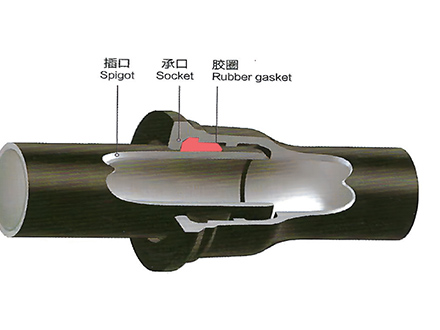 GT-type Joint Ductile Iron Pipe
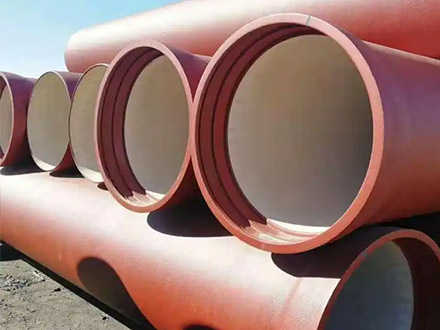
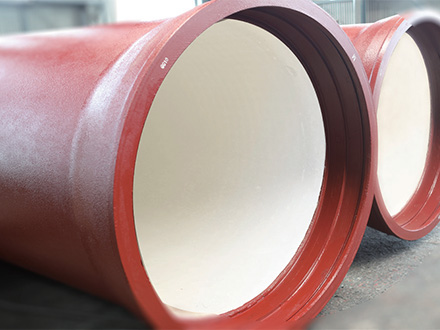 Sewage Pipe (Ductile Iron Sewage Pipe)
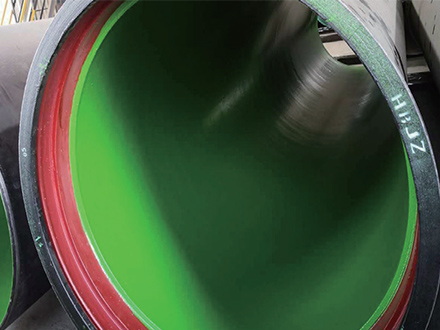 Special Coating Pipe (Ductile Iron Pipe with Special Coatings)