

Ductile Iron Pipe Joint Installation: Common Mistakes and Practical Site Tips
Ductile Iron Pipe Joint Installation: Common Mistakes and Practical Site Tips
One of the most frequently asked questions in ductile iron pipe projects is:
“Why do ductile iron pipe joints leak or fail even when the pipes meet the standard?”
In practice, most joint problems are not caused by pipe quality, but by improper installation. This article summarizes the most common ductile iron pipe joint installation issues, based on real site experience, and explains how to avoid them.
For a complete overview of ductile iron pipe joints and connection types, see the core reference page:
👉 Ductile Iron Pipe Joints & Connections
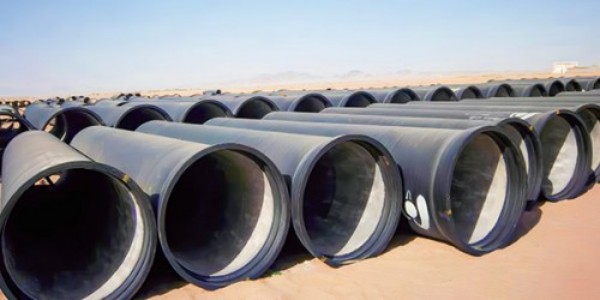
What Are the Most Common Mistakes During Ductile Iron Pipe Joint Installation?
1. Improper Rubber Gasket Installation
This is the number one cause of joint leakage.
Common problems include:
Gasket twisted or not seated evenly
Dirt or sand trapped under the gasket
Gasket installed backwards
Why this causes failure:
Uneven gasket compression leads to local sealing gaps once internal pressure increases.
Practical tip:
Always check gasket positioning visually and by hand before pipe insertion.
2. Incomplete Pipe Insertion (Pipe Not Fully Home)
Another frequent issue is insufficient insertion depth.
Common reasons:
Insertion mark ignored or missing
Resistance during insertion not investigated
Pipe pushed only “until it feels tight”
Why this matters:
If the spigot does not reach the designed position, the gasket cannot work under proper compression.
Practical tip:
Mark the insertion depth clearly and verify alignment before final push.
3. Poor Cleaning of Socket and Spigot Ends
Even small particles can compromise sealing performance.
Typical site conditions:
Mud or sand inside the socket
Rust scale on the spigot
Lubricant mixed with debris
Why this causes problems:
Foreign material prevents uniform gasket contact and accelerates wear.
Practical tip:
Clean both socket and spigot thoroughly before lubrication and assembly.
4. Excessive Angular Deflection at the Joint
Ductile iron pipe joints allow angular deflection — but within limits.
Common mistakes:
Using joint deflection to “force alignment”
Exceeding recommended deflection angles
Combining deflection with uneven trench bedding
Why this is risky:
Excessive deflection concentrates stress on one side of the gasket, increasing leakage risk.
Practical tip:
Use joint deflection for adjustment only, not as a replacement for proper alignment.
5. Inadequate Bedding and Pipe Support
Joint problems are often a symptom of poor foundation conditions.
Typical issues:
Uneven bedding under the joint area
Voids left beneath the pipe
Insufficient compaction near joints
Why this affects joints:
Differential settlement transfers stress directly to the joint, not the pipe body.
Practical tip:
Ensure uniform bedding and proper compaction, especially around joints.
6. Ignoring Axial Restraint Requirements
In pressurized pipelines, axial forces are unavoidable.
Common oversights:
No thrust blocks where required
Incorrect assumption that all joints are self-restrained
Underestimating internal pressure effects
Why this leads to failure:
Uncontrolled axial movement can cause joint separation or long-term leakage.
Practical tip:
Confirm whether thrust blocks or restrained joints are required during design and installation.
How Can Joint Installation Quality Be Improved?
From field experience, successful joint installation usually follows three rules:
Preparation matters more than speed
Cleanliness directly affects sealing performance
Alignment and support protect the joint long term
Are Joint Failures Always Caused by Installation Errors?
Not always — but in most cases, installation plays the decisive role.
Even high-quality ductile iron pipes can fail if:
Installation steps are skipped
Joint limits are exceeded
Foundation conditions are ignored
Proper installation transforms joint design performance into real pipeline reliability.
Summary: Practical Advice from the Field
Most ductile iron pipe joint problems are avoidable.
Correct gasket installation, proper alignment, and solid bedding are the real keys to long-term performance.
For more information on ductile iron pipe joint types and connection methods, refer to the core guide:
👉 http://www.ductileironpipe2600.com/index.php?c=category&id=29
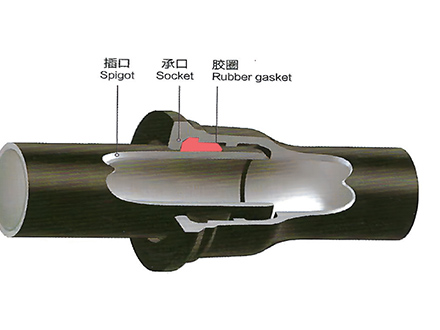 GT-type Joint Ductile Iron Pipe
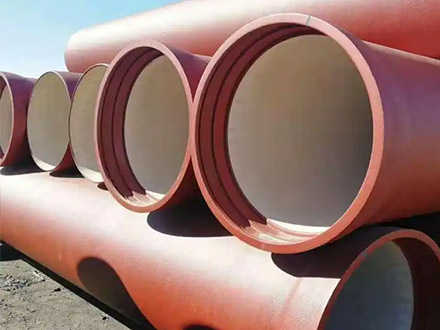
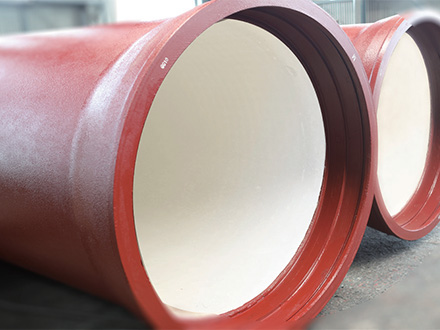 Sewage Pipe (Ductile Iron Sewage Pipe)
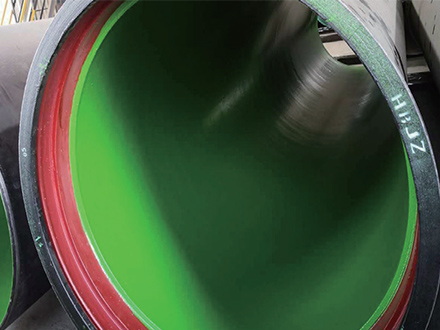 Special Coating Pipe (Ductile Iron Pipe with Special Coatings)