

T-Type vs. GT-Type Joints: What Is the Difference in Ductile Iron Pipe Connections?
T-Type vs. GT-Type Joints: What Is the Difference in Ductile Iron Pipe Connections?
When selecting ductile iron pipes for water supply or transmission projects, one of the most common questions engineers ask is:
“What is the difference between T-type joints and GT-type joints, and which one should I choose?”
Although both joint types are widely used, choosing the wrong one can increase installation difficulty, leakage risk, and long-term maintenance costs. This article answers the most frequently searched questions about T-type vs. GT-type ductile iron pipe joints from an engineering perspective.
For a complete overview of ductile iron pipe joints and connection methods, see the core reference page:
👉 Ductile Iron Pipe Joints & Connections
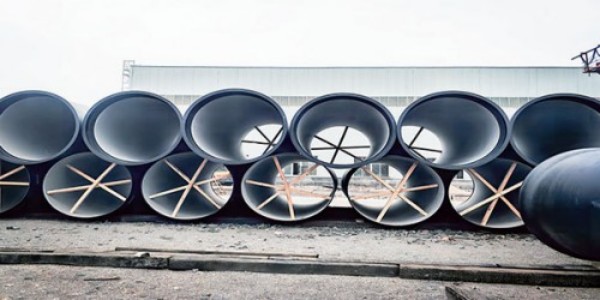
What Is a T-Type Joint in Ductile Iron Pipes?
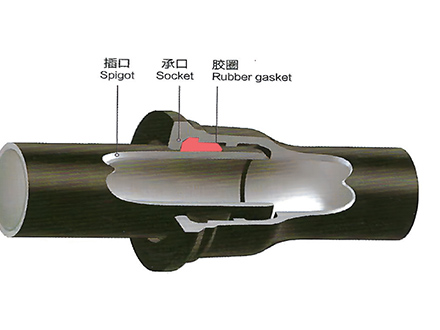
A T-type joint is one of the most common joint types used in ductile iron pipe systems. It is also commonly referred to as a rubber gasket push-on joint.
How does a T-type joint work?
The pipe end consists of a socket and a spigot
A rubber gasket is installed inside the socket
When the spigot is inserted, the gasket is compressed to form a watertight seal
Why are T-type joints widely used?
Simple joint structure
Easy and fast installation
Allows angular deflection
Adapts well to minor ground settlement
Where are T-type joints typically used?
Municipal water distribution networks
Urban water supply pipelines
Projects with long pipe routes or frequent direction changes
In short:
T-type joints are flexible, easy to install, and suitable for most standard water pipeline projects.
What Is a GT-Type Joint?
A GT-type joint is designed for applications that require higher joint stability and axial restraint compared to standard push-on joints.
What makes a GT-type joint different?
More robust socket structure
Enhanced sealing configuration
Better control of axial movement between pipes
What are the main advantages of GT-type joints?
Stronger resistance to axial displacement
Improved joint stability under internal pressure
Suitable for pipelines with higher structural requirements
Typical applications of GT-type joints
Main water transmission pipelines
Large-diameter ductile iron pipes
High-pressure or long straight pipeline sections
In short:
GT-type joints focus on stability rather than flexibility.
What Is the Difference Between T-Type and GT-Type Joints?
This is the most searched question, and the answer comes down to flexibility vs. restraint.
| Key Aspect | T-Type Joint | GT-Type Joint |
|---|---|---|
| Joint structure | Simple | More complex |
| Installation difficulty | Lower | Higher |
| Flexibility | High | Limited |
| Axial restraint | Moderate | Strong |
| Suitable applications | General pipelines | High-stability pipelines |
There is no universally “better” joint type — the correct choice depends on project conditions.
Which Joint Should You Choose for Your Project?
When engineers compare T-type and GT-type joints, the decision usually depends on the following questions:
Is ground settlement a concern?
Yes → T-type joints are more forgiving
No → GT-type joints can be considered
Is the pipeline long or curved?
Long routes with bends → T-type joints perform better
Mostly straight pipelines → GT-type joints are easier to control
Are installation conditions limited?
Tight space or schedule → simpler T-type joints reduce risk
Controlled installation → GT-type joints can be installed reliably
Is long-term maintenance a priority?
Once a joint leaks or shifts, repair costs can far exceed the initial joint selection cost — especially for main transmission pipelines.
Are Stronger Joints Always Better?
This is a common misconception in ductile iron pipe projects.
In practice:
Overly rigid joints can concentrate stress
Ground movement may cause localized damage
Increased rigidity does not always mean higher safety
The best joint design balances strength and adaptability.
Summary: T-Type vs. GT-Type Joints
T-type joints are designed for flexibility and adaptability.
GT-type joints are designed for stability and axial restraint.
Choose based on working conditions — not joint names.
For a comprehensive guide to ductile iron pipe joint types and connection methods, visit:
👉 http://www.ductileironpipe2600.com/index.php?c=category&id=29
 GT-type Joint Ductile Iron Pipe
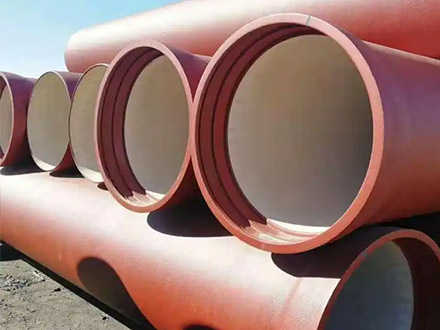
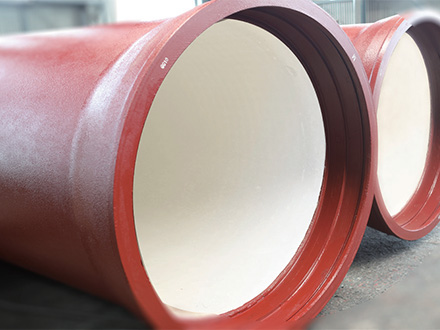 Sewage Pipe (Ductile Iron Sewage Pipe)
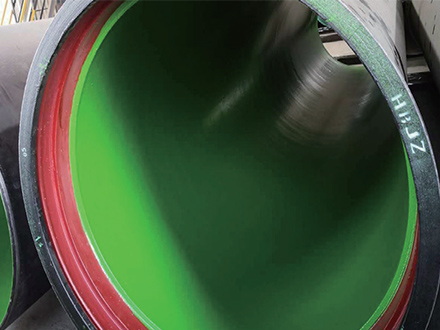 Special Coating Pipe (Ductile Iron Pipe with Special Coatings)