

Ductile Iron Pipe for Mining, Slurry, and Industrial Applications
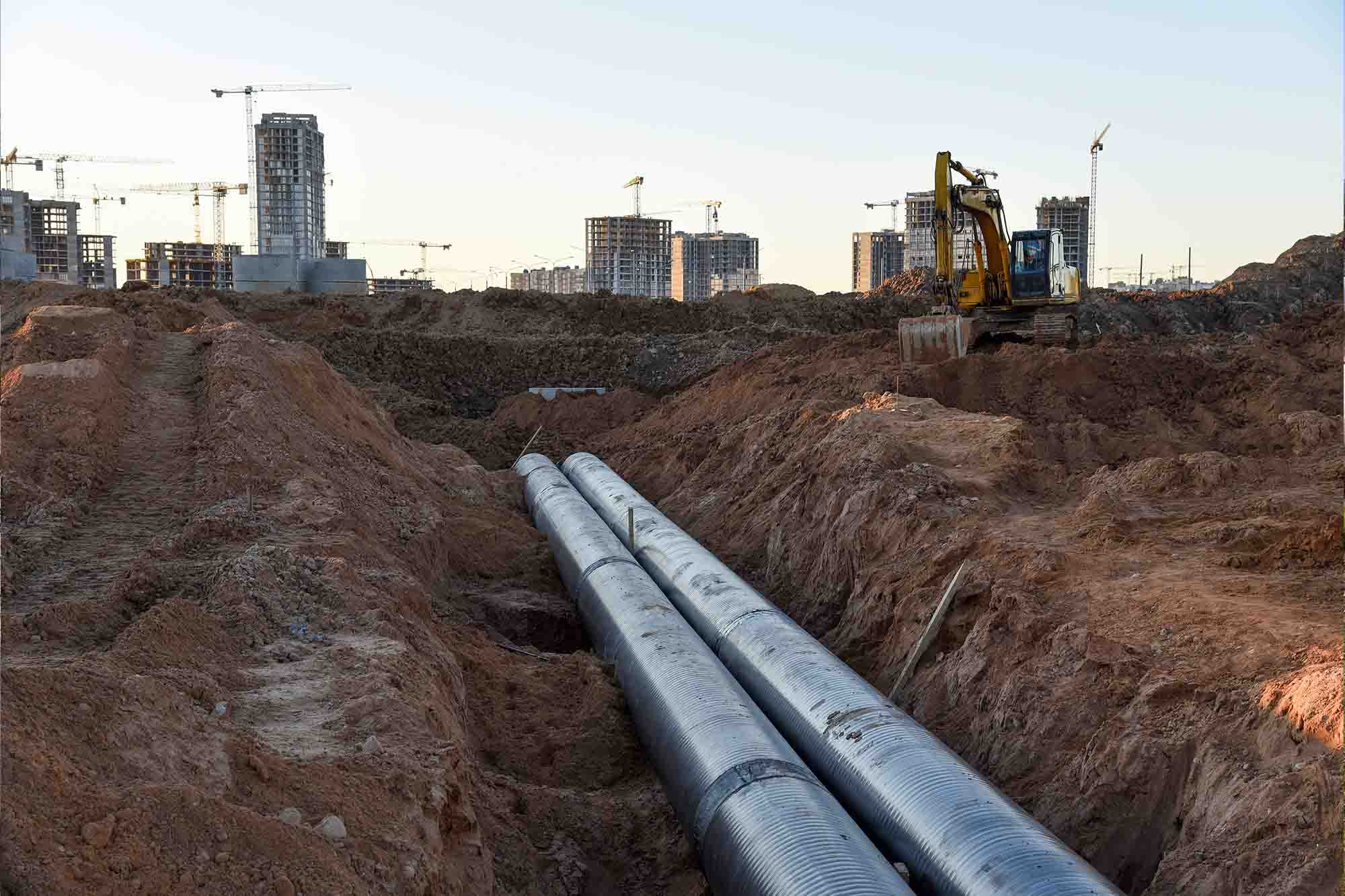
Mining and industrial sites are unforgiving. Pipes there face abrasive slurries, chemically aggressive water, heavy external loads from haul trucks and plant, ground settlement from excavation, and sometimes fire- or explosion-risk areas. Ductile iron pipe (DIP) is a frequent choice for mine process water, potable and fire mains, and many slurry and effluent lines because it pairs a tough ferrous wall with a smooth, corrosion-resistant lining and flexible joints that tolerate ground movement. This guide explains where DIP fits in industrial and mining service, how to select the lining and coating, and what to put in a specification for a harsh site.
Why DIP suits harsh industrial sites
A few properties make DIP a natural fit where the ground and the duty are both hard on pipe.
Toughness. Ductile iron absorbs impact and shock loads far better than brittle materials. A mine yard with vibrating plant, heavy traffic, and occasional strikes is exactly where that matters.
External load and burial. DIP's ring stiffness and ductility let it carry deep burial, surcharge from equipment, and trenchless installation without buckling.
Ground movement. Flexible push-on joints allow controlled angular deflection, so the line follows minor settlement instead of cracking. Self-anchoring joints handle unstable or sloping ground.
Long life in aggressive media. The internal lining keeps the iron away from the water; the external coating keeps the soil away from the iron. Both are selected per duty.
Abrasion: slurries and solids-laden water
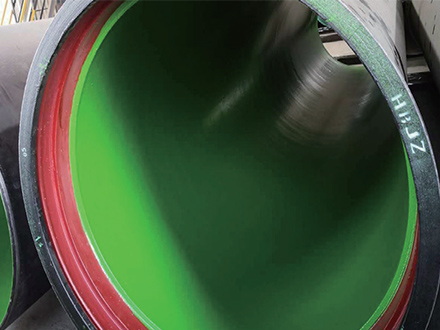
Cement mortar lined DIP already handles many slurry and effluent streams. For higher abrasion or combined chemical attack, specify an epoxy or polyurethane lining, which resist both wear and chemicals. The point is to match the lining to the duty rather than assume one lining fits every stream.
Be honest about the limits. Extremely abrasive tailings or coarse mineral slurries at high velocity can exceed what lined DIP is economical for; lined steel or HDPE is sometimes specified there. DIP is strongest for mine water, process water, certain slurries, and fire mains. Even with a wear lining, keep velocity inside the design band so abrasion stays manageable.
Chemical and process water
Mine water is often acidic, sulfate-rich, or carries process chemicals. Internal lining choice (epoxy or PU) and external coating (PE, epoxy) are selected from the actual water chemistry and soil. The coating and lining overview separates internal from external choices, and the aggressive soil and water guide covers external protection where the ground is hostile. Do not let the outside coating decision ride on a generic assumption — mine sites routinely combine acidic water with sulfate-heavy soil.
Pressure classes for industrial duty
Slurry and process lines often run at higher pressure than municipal water. Specify the operating pressure plus surge, then pick the pressure class from the dimensions and pressure class guide. DIP's pressure classes cover demanding industrial duties; just confirm the lining and joint are rated for the same pressure as the pipe body.
Joints and movement
Push-on (T-type) joints give fast, flexible assembly and tolerate deflection for settlement. Where the line crosses unstable ground, is restrained, or runs trenchless, self-anchoring or restrained joints prevent pull-apart. The joints and connections guide maps the options, and for large-diameter industrial mains the handling and trenchless notes help with safe installation. Get the joint wrong on moving ground and the whole line is at risk, regardless of pipe quality.
DIP vs HDPE vs steel in industrial service
| Property | Ductile iron (DIP) | HDPE | Steel |
|---|---|---|---|
| Ring stiffness / external load | High; handles surcharge and deep burial | Lower; needs careful bedding | High |
| Abrasion (lined) | Good with epoxy/PU lining | Moderate; softens with wear | Good but corrodes |
| Corrosion control | Lining + coating, low maintenance | Inherent, but UV-sensitive | Constant battle; needs coating upkeep |
| Joints | Mechanical, no fusion | Fusion-welded | Welded or flanged |
| UV / temperature stability | Stable | Degrades unless protected | Stable |
| Floatation risk | None | Can float in high water table | None |
| Service life | 50+ years, low maintenance | Variable | Shorter without upkeep |
DIP's differentiator is stiffness plus a 50-year life with modest maintenance — valuable where the line is hard to reach once buried.
What to specify in an industrial quote
Give the supplier the real duty: fluid, solids percentage, pH and chemistry, temperature, flow, operating pressure plus surge, soil and groundwater conditions, burial depth, equipment surcharge, and any explosive-area rating. Then ask them to confirm the lining and coating per duty and the joint type per ground. Inquire about specifications and pricing →
Common mistakes specifiers make
Assuming one lining fits every slurry — match the lining to abrasion and chemistry.
Ignoring external soil attack on mine sites (sulfate, acidic ground) and specifying only on the inside.
Under-specifying the pressure class for slurry surge and paying for it in failures.
Forgetting ground movement, so flexible or self-anchoring joints are left out.
Comparing only first cost; DIP's life and low maintenance beat cheaper-but-shorter options once buried.
FAQ
Can DIP handle abrasive slurry?
Yes, with the right lining. Cement mortar lining handles many effluent and slurry streams; for higher abrasion or chemical attack, specify epoxy or polyurethane lining and keep velocity inside the design band. For extremely coarse, high-velocity tailings, lined steel or HDPE is sometimes more economical — DIP is strongest for process water, mine water, and moderate slurries.
Is DIP corrosion-resistant in mine water?
The iron is protected by the internal lining and external coating, so it never contacts the water or the soil. Choose the lining and coating to the actual water chemistry and ground: epoxy or PU internally for aggressive water, PE or epoxy externally for hostile soil. Our aggressive soil and water guide explains the external side.
How does DIP compare with HDPE and steel for industrial lines?
DIP has much higher ring stiffness and carries external loads, equipment surcharge, and burial without special bedding. It uses mechanical joints (no fusion) and stays stable under UV and heat. HDPE is lighter and flexible but can float and needs careful bedding; steel offers high pressure but fights corrosion continuously. DIP's 50-year, low-maintenance life is the differentiator.
What pressure class do I need for a slurry line?
Size it on operating pressure plus surge, not the steady value alone. Slurry lines often run higher than municipal water, so confirm the class from the dimensions and pressure class guide and ensure the lining and joint carry the same rating. Under-specifying pressure is a common, costly error.
Which joints suit unstable or moving ground?
Push-on joints allow controlled angular deflection so the line follows minor settlement. On unstable, sloping, or trenchless crossings, use self-anchoring or restrained joints to stop pull-apart. Match the joint to the ground conditions rather than defaulting to the cheapest coupling.
Tough sites demand a pipe that is tough in the right places. Inquire about specifications and pricing →
Tiegu is a China-based ductile iron pipe sourcing and export partner serving international water infrastructure, wastewater, and industrial projects.
We supply DN80–DN2600 ductile iron pipes and fittings manufactured according to ISO 2531, EN 545, EN 598, and AWWA standards, with cement mortar lining, epoxy lining, and various external coating options.
From technical specification confirmation and supplier coordination to quality inspection, export documentation, and logistics support, Tiegu provides a reliable one-stop sourcing solution under a single commercial contract.
Inquire about specifications and pricing →
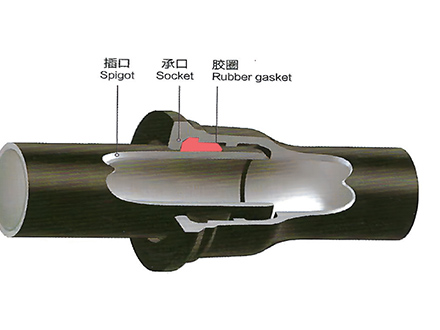 GT-type Joint Ductile Iron Pipe
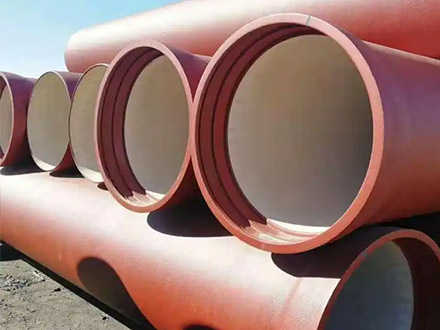
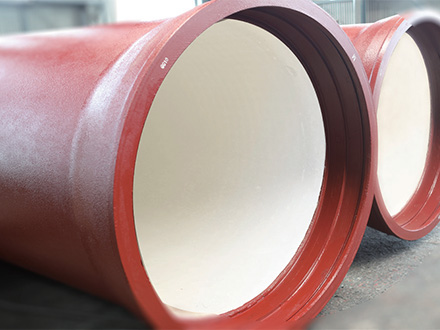 Sewage Pipe (Ductile Iron Sewage Pipe)
 Special Coating Pipe (Ductile Iron Pipe with Special Coatings)