

Soil Corrosivity Testing for Pipelines: Complete Guide to Corrosion Risk Assessment
Soil Corrosivity Testing for Pipelines: Complete Guide to Corrosion Risk Assessment

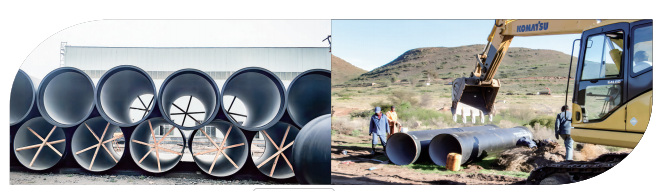
Why Soil Testing Matters for Pipeline Projects
Soil is not just dirt — it's a complex electrochemical environment that can destroy buried infrastructure in less than 20 years if conditions are aggressive. Proper soil corrosivity testing answers three critical questions:
Will the soil corrode ductile iron pipe? — Resistivity and pH determine corrosion rate
What protection is required? — Test results dictate whether PE wrap, coatings, or cathodic protection are needed
What is the expected service life? — Aggressive soils can reduce 100-year design life to 15-25 years
Key Soil Parameters for Corrosion Assessment
Six critical parameters determine soil corrosivity. Understanding what each measures and why it matters enables informed protection decisions.
1. Soil Resistivity (Most Critical Parameter)
What it measures: Soil's ability to conduct electrical current — lower resistivity means higher corrosion risk.
Why it matters: Corrosion is an electrochemical process requiring an electrolyte. Low-resistivity soils (high conductivity) facilitate electron flow between anodic and cathodic sites on the pipe surface, accelerating corrosion.
Testing method: Wenner four-pin method per ASTM G57
Interpretation:
| Resistivity (ohm-cm) | Corrosivity | Protection Required |
|---|---|---|
| > 5,000 | Low | Standard ductile iron acceptable |
| 2,000 - 5,000 | Moderate | Polyethylene encasement recommended |
| 1,000 - 2,000 | High | PE wrap mandatory |
| < 1,000 | Very High | PE wrap + cathodic protection consideration |
2. pH Level (Acidity/Alkalinity)
What it measures: Hydrogen ion concentration — whether soil is acidic (pH < 7), neutral (pH = 7), or alkaline (pH > 7).
Why it matters: Extreme pH levels accelerate corrosion through different mechanisms:
Acidic soils (pH < 6): Direct acid attack dissolves iron and protective corrosion products
Alkaline soils (pH > 10): Can cause caustic corrosion and degrade certain coatings
Neutral soils (pH 6-10): Generally acceptable for bare ductile iron
Testing method: pH meter on soil-water slurry (1:1 ratio) per ASTM D5128
Interpretation:
| pH Range | Condition | Corrosion Risk |
|---|---|---|
| 6.0 - 10.0 | Neutral | Low risk — standard pipe acceptable |
| 5.0 - 6.0 or 10.0 - 11.0 | Mildly Aggressive | Moderate risk — PE wrap recommended |
| < 5.0 or > 11.0 | Highly Aggressive | High risk — PE wrap mandatory |
3. Redox Potential (Oxidation-Reduction)
What it measures: Soil's tendency to gain or lose electrons — indicates whether conditions favor oxidation (corrosion) or reduction (protection).
Why it matters: Low redox potential (< +100 mV) indicates anaerobic (oxygen-free) conditions where sulfate-reducing bacteria (SRB) thrive, causing microbiologically influenced corrosion (MIC).
Testing method: Platinum electrode with reference cell, measured in situ
Interpretation:
> +400 mV: Oxidizing conditions — aerobic, low MIC risk
+100 to +400 mV: Transitional — moderate conditions
< +100 mV: Reducing conditions — anaerobic, high MIC risk
4. Chloride Content
What it measures: Concentration of chloride ions (Cl⁻) in soil.
Why it matters: Chlorides are highly aggressive anions that:
Penetrate protective oxide films on iron surfaces
Increase soil conductivity (lower resistivity)
Prevent repassivation of corroded areas
Accelerate pitting corrosion
Testing method: Ion chromatography or silver nitrate titration per ASTM D512
Thresholds:
< 500 ppm: Acceptable
500-1,000 ppm: Moderate risk
> 1,000 ppm: High risk — PE wrap mandatory
5. Sulfate Content
What it measures: Concentration of sulfate ions (SO₄²⁻) in soil.
Why it matters: Sulfates serve as electron acceptors for sulfate-reducing bacteria, enabling MIC. High sulfate concentrations also:
Attack cement mortar linings (sulfate attack)
Contribute to soil conductivity
Form corrosive sulfuric acid in anaerobic conditions
Testing method: Gravimetric or turbidimetric analysis per ASTM D516
Thresholds:
< 500 ppm: Acceptable
500-1,000 ppm: Moderate risk
> 1,000 ppm: High risk — PE wrap mandatory
6. Moisture Content and Drainage
What it measures: Water content in soil and drainage characteristics.
Why it matters: Corrosion requires moisture as an electrolyte. However, the relationship is complex:
Too dry (< 5% moisture): Low corrosion risk — insufficient electrolyte
Optimal (15-25% moisture): Maximum corrosion rate — adequate electrolyte + oxygen
Saturated (> 30% moisture): Variable — limits oxygen but may promote MIC
Drainage classification:
Well-drained: Water percolates quickly — lower corrosion risk
Moderately drained: Some water retention — moderate risk
Poorly drained: Water accumulates — high corrosion risk
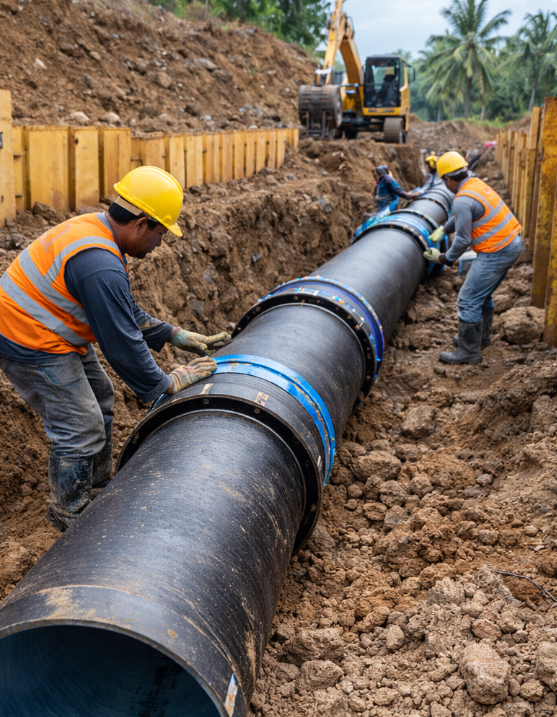
Soil Testing Methods: Step-by-Step
Proper testing methodology ensures accurate, representative results. Cutting corners during testing leads to incorrect protection decisions.
Wenner Four-Pin Method (ASTM G57)
The gold standard for soil resistivity measurement:
Equipment setup: Four equally spaced electrodes (pins) driven into soil in a straight line
Electrode spacing: Typically 1m, 2m, 3m, or 5m apart (spacing = test depth)
Current injection: Apply AC current between outer two pins
Voltage measurement: Measure potential difference between inner two pins
Calculation: Resistivity = 2π × a × R (where a = pin spacing, R = measured resistance)
Field Testing vs. Laboratory Testing
| Parameter | Field Testing | Laboratory Testing |
|---|---|---|
| Resistivity | ✅ Wenner four-pin (in situ) | ✅ Box method (disturbed samples) |
| pH | ✅ Portable pH meter | ✅ Laboratory pH meter (more accurate) |
| Redox Potential | ✅ Must test in situ | ❌ Cannot test in lab (changes during transport) |
| Chlorides/Sulfates | ❌ Requires lab equipment | ✅ Ion chromatography |
| Moisture Content | ✅ Quick tests available | ✅ Gravimetric (oven drying) |
Sampling Strategy
Where and how you sample matters as much as the testing itself:
Sample locations: Test every 500-1000m along pipeline route, more frequently in variable terrain
Sample depth: Collect from pipe invert (bottom), springline (sides), and crown (top)
Sample quantity: Minimum 500g per location for comprehensive testing
Sample preservation: Seal in airtight containers, test within 7 days for chemical analysis
Representative sampling: Avoid disturbed areas, backfill, or contaminated zones unless specifically assessing those conditions
International Testing Standards
Multiple standards govern soil corrosivity testing. Understanding which applies ensures compliance and data quality.
ASTM Standards (North America)
ASTM G57: Standard Test Method for Field Measurement of Soil Resistivity Using Wenner Four-Electrode Method
ASTM D5128: Standard Guide for Field Testing of Corrosive Properties of Soils
ASTM D512: Standard Test Methods for Chloride Ion in Water (applied to soil extracts)
ASTM D516: Standard Test Method for Sulfate Ion in Water (applied to soil extracts)
ISO Standards (International)
ISO 12234: Ductile iron pipes — Polyethylene encasement — Requirements and test methods
ISO 15589-2: Petroleum and natural gas industries — Cathodic protection — Part 2: Buried pipelines
EN Standards (Europe)
EN 1295-1: Structural design of buried pipelines under various conditions of loading
EN 14503: Cathodic protection of buried metallic pipelines
📋 Get Free Technical Quotation
Share your soil test results — receive corrosion protection recommendations and ductile iron pipe pricing within 24 hours
Protection Recommendations by Soil Class
Once testing is complete, match soil conditions to appropriate protection strategy:
Class 1: Non-Aggressive Soils
Criteria (ALL must be met):
Resistivity > 5,000 ohm-cm
pH 6.0-10.0
Redox > +400 mV
Chlorides < 500 ppm
Sulfates < 500 ppm
Well-drained
Protection: Standard ductile iron pipe acceptable. Polyethylene encasement optional but recommended for critical infrastructure.
Class 2: Moderately Aggressive Soils
Criteria (ANY one met):
Resistivity 2,000-5,000 ohm-cm
pH 5.0-6.0 or 10.0-11.0
Redox +100 to +400 mV
Chlorides 500-1,000 ppm
Sulfates 500-1,000 ppm
Moderately drained
Protection: Polyethylene encasement recommended per ISO 12234. Consider factory-applied for consistency.
Class 3: Highly Aggressive Soils
Criteria (ANY one met):
Resistivity < 2,000 ohm-cm
pH < 5.0 or > 11.0
Redox < +100 mV
Chlorides > 1,000 ppm
Sulfates > 1,000 ppm
Poorly drained or saturated
Protection: Polyethylene encasement mandatory. Consider dual protection (zinc + PE) or cathodic protection for critical lines.
Class 4: Extreme Conditions
Criteria:
Resistivity < 500 ohm-cm
pH < 4.0 or > 12.0
Contaminated soils (industrial waste, acid mine drainage)
Stray current interference
Confirmed MIC activity
Protection: Enhanced protection system required — PE wrap + cathodic protection + continuous monitoring. Consider alternative materials (HDPE, fiberglass) for extreme cases.
Tiegu Supply Chain Perspective
When sourcing ductile iron pipe from China, soil testing requirements should be clearly specified in procurement documents. Tiegu integrates production capacity across qualified Chinese foundries, delivering compliant and high-quality casting products to buyers worldwide. For projects requiring polyethylene encasement, we coordinate with manufacturers to ensure PE wrap is applied per ISO 12234 specifications — using virgin polyethylene resin (not recycled material), maintaining proper thickness (8-mil or 12-mil), and following correct overlap and securing procedures.
Cost of Soil Testing vs. Cost of Failure
Let's examine the economics objectively:
Soil Testing Investment
| Testing Scope | Estimated Cost | Coverage |
|---|---|---|
| Basic (resistivity + pH only) | $500-1,000 | Limited — may miss risks |
| Standard (6 parameters) | $2,000-5,000 | Comprehensive for most projects |
| Comprehensive (+ MIC testing) | $5,000-10,000 | Full characterization |
Failure Cost Comparison
| Scenario | Time to Failure | Replacement Cost (per km) | Total Impact |
|---|---|---|---|
| Unprotected in aggressive soil | 10-20 years | $200,000-500,000 | Catastrophic |
| PE wrapped in aggressive soil | 100+ years | Minimal maintenance | Acceptable |
| Testing skipped, lucky soil | 100+ years | Saved $2,000-5,000 | Gambler's win (rare) |
Common Testing Mistakes to Avoid
Summary: Key Takeaways
Soil testing is non-negotiable — $2,000-5,000 testing prevents $200,000-500,000 premature failures
Six critical parameters: Resistivity, pH, redox, chlorides, sulfates, moisture/drainage
Wenner four-pin method: Gold standard for resistivity per ASTM G57
Test at pipe depth: Surface soil ≠ conditions at 1.5-2m burial depth
Clear thresholds exist: < 2,000 ohm-cm, pH < 6 or > 10, redox < +100 mV = PE wrap mandatory
ROI is overwhelming: 100:1 to 500:1 return when preventing one failure
📞 Contact Us for Soil Testing and Pipeline Solutions
Tiegu — Professional Casting Export Partner
📱 WhatsApp / WeChat: +86 152 5613 5588
📧 Email: zbw@tiegu.net
🌐 Website: www.ductileironpipe2600.com
💬 Inquiry Form: Submit Your Requirements
Response Time: We typically respond within 24 hours with soil testing guidance, corrosion protection recommendations, and ductile iron pipe pricing for your project.
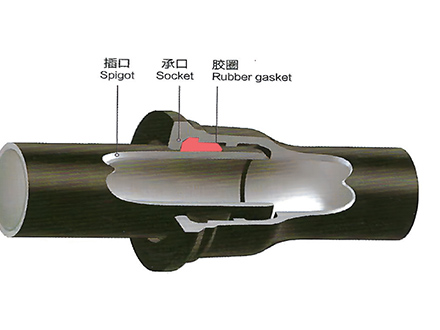 GT-type Joint Ductile Iron Pipe
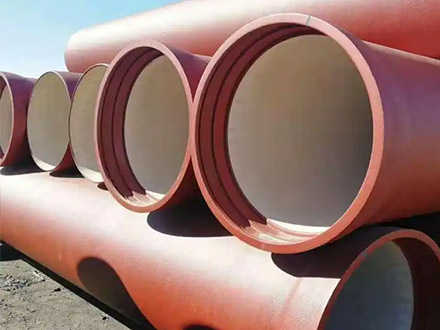
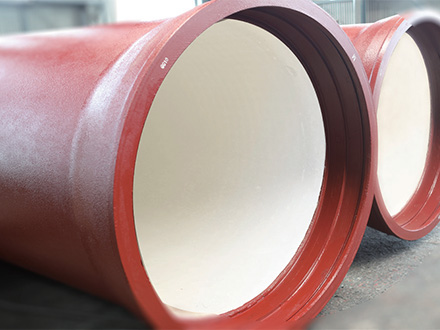 Sewage Pipe (Ductile Iron Sewage Pipe)
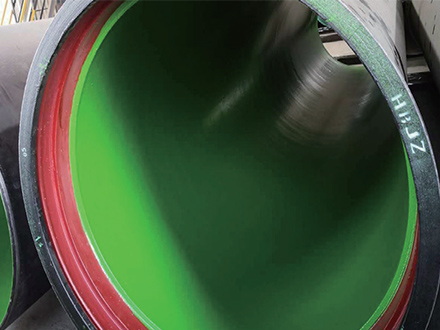 Special Coating Pipe (Ductile Iron Pipe with Special Coatings)