

Polyethylene Encasement Installation: Complete Step-by-Step Guide for Ductile Iron Pipe
Polyethylene Encasement Installation: Complete Step-by-Step Guide for Ductile Iron Pipe

Why Installation Quality Matters
Even the highest-quality polyethylene encasement fails if installed incorrectly. Poor installation creates pathways for soil and moisture to contact the pipe surface, defeating the entire purpose of corrosion protection.
Field studies reveal uncomfortable truths:
60% of PE wrap failures trace back to installation errors, not material defects
Insufficient overlap (less than 100mm) allows soil intrusion at seams in 80% of cases
Inadequate securing causes wrap displacement during backfilling, exposing bare pipe
Handling damage from steel chains, dragging, or sharp tools creates punctures that accelerate localized corrosion
Factory-Applied vs. Field-Applied Encasement
Two installation methods exist, each with distinct advantages and limitations. Understanding trade-offs enables optimal selection for your project.
Factory-Applied Polyethylene Encasement
PE wrap is applied at the manufacturing facility before pipe shipment.
Advantages:
✅ Controlled conditions: Temperature, humidity, and cleanliness optimize adhesion and consistency
✅ Quality assurance: Factory QC procedures verify thickness, overlap, and securing
✅ Faster installation: Pipe arrives ready to lay — no field wrapping delays
✅ Consistent quality: Mechanized application ensures uniform tension and overlap
✅ Lower labor cost: Eliminates field wrapping crew and equipment
Limitations:
⚠️ Transport damage risk: Wrapping can be damaged during loading, transit, or unloading
⚠️ Cannot inspect pipe: Pipe surface hidden beneath wrap — coating defects may go unnoticed
⚠️ Storage degradation: UV exposure during outdoor storage can weaken polyethylene if not stabilized
⚠️ Less flexibility: Difficult to adjust wrap tension or repair underlying pipe after wrapping
Best for: Standard projects with good site access, experienced handling crews, and protected storage areas.
Field-Applied Polyethylene Encasement
PE wrap is applied on-site immediately before pipe installation in trench.
Advantages:
✅ Inspect pipe first: Verify pipe coating quality, repair damage before wrapping
✅ No transport damage: Wrap applied after pipe is positioned at installation site
✅ Flexible timing: Can wrap sections as needed, adapt to installation pace
✅ Repair accessibility: Easy to unwrap and rewrap if underlying repairs needed
✅ Reduced storage concerns: Unwrapped pipe stores more compactly
Limitations:
⚠️ Weather dependent: Wind, rain, extreme temperatures complicate field wrapping
⚠️ Labor intensive: Requires dedicated wrapping crew and equipment on-site
⚠️ Quality variability: Manual application depends on worker skill and attention
⚠️ Slower installation: Wrapping adds time to pipe-laying operation
⚠️ Site contamination: Dirt, debris can get trapped between wrap and pipe
Best for: Remote sites, long-lead projects, situations requiring pipe inspection before wrapping, or when factory-wrapped pipe unavailable.
Cost Comparison
| Cost Component | Factory-Applied | Field-Applied |
|---|---|---|
| Material Cost | Included in pipe price | $3-8 per meter (separate) |
| Labor Cost | None (included) | $2-5 per meter |
| Equipment Cost | None | $500-2,000 (wrapping tools) |
| Quality Risk | Low (controlled) | Moderate (weather-dependent) |
| Schedule Impact | None (ready to install) | +10-20% installation time |

Material Selection and Preparation
Proper installation starts with correct material selection. Not all polyethylene wrap is created equal.
Polyethylene Film Specifications
Per ISO 12234 and ANSI/AWWA C105:
| Property | Standard Requirement | Premium Option |
|---|---|---|
| Thickness | 8 mil (0.20mm) minimum | 12 mil (0.30mm) for severe conditions |
| Density | 0.910-0.940 g/cm³ | 0.925-0.935 g/cm³ (optimal) |
| Tensile Strength | > 15 MPa | > 20 MPa |
| Elongation at Break | > 300% | > 400% (more forgiving) |
| UV Stabilization | Required for outdoor storage | Carbon black or HALS additives |
| Material Type | Virgin polyethylene | Never use recycled material |
Adhesive Tape Specifications
Tape secures the polyethylene wrap and maintains overlap integrity:
Width: 50mm minimum (75mm preferred for harsh conditions)
Adhesion: > 20 N/25mm to polyethylene surface
Temperature range: -20°C to +70°C operating range
UV resistance: Required if exposed to sunlight
Material: PVC or polyethylene backing with rubber-based adhesive
Pre-Installation Inspection
Before wrapping begins:
Verify soil testing completed: Confirm polyethylene encasement is required per soil corrosivity testing results
Inspect pipe coating: Check cement mortar lining or other internal protection for damage
Examine pipe exterior: Look for sharp protrusions, welding spatter, or coating defects
Verify wrap condition: Ensure polyethylene film is clean, undamaged, and within shelf life
Check weather forecast: Avoid field wrapping in high winds (> 30 km/h) or heavy rain
Step-by-Step Installation Procedure
Follow this sequence for proper polyethylene encasement installation:
Step 1: Pipe Preparation
Clean pipe surface: Remove dirt, oil, grease, and loose debris from pipe exterior
Remove sharp edges: Grind down welding spatter, sharp protrusions, or burrs that could puncture wrap
Repair coating damage: Touch up any damaged cement lining or external coatings before wrapping
Dry pipe surface: Ensure pipe is dry — moisture trapped under wrap promotes corrosion
Mark pipe center: Use chalk line to mark pipe crown (top) for wrap alignment reference
Step 2: Wrap Positioning
Unroll polyethylene: Lay out wrap along pipe length, ensuring sufficient excess at both ends
Center pipe in wrap: Position pipe so equal wrap width extends on both sides
Align with pipe crown: Match wrap centerline with pipe crown mark for symmetrical overlap
Verify wrap width: Ensure wrap is wide enough for pipe diameter plus minimum 100mm overlap on each side
Minimum wrap width by pipe diameter:
| Pipe Diameter (DN) | Pipe OD (mm) | Minimum Wrap Width (mm) |
|---|---|---|
| DN100 | 118 | 450 |
| DN200 | 222 | 650 |
| DN300 | 326 | 850 |
| DN400 | 438 | 1,050 |
| DN600 | 648 | 1,450 |
| DN800 | 860 | 1,900 |
Step 3: Wrap Application
Lift wrap over pipe: Carefully drape polyethylene over pipe, avoiding dragging on ground
Adjust positioning: Ensure equal overlap on both sides (minimum 100mm each side)
Smooth out wrinkles: Remove air pockets and wrinkles by hand, working from center outward
Maintain tension: Keep wrap snug but not stretched — excessive tension causes tearing
Check alignment: Verify wrap remains centered along entire pipe length
Step 4: Overlap and Securing
Verify overlap: Measure overlap — must be minimum 100mm (4 inches) along entire length
Apply adhesive tape: Start at one end, apply tape over overlap at 300-500mm intervals
Wrap tape spirally: Apply tape with 50% overlap (half-width) for continuous seal
Press firmly: Ensure tape adheres completely — no air bubbles or loose edges
Extend beyond pipe ends: Tape should extend 50mm beyond wrap ends for secure anchoring
Tape spacing by pipe diameter:
DN100-DN300: Tape every 300mm
DN350-DN600: Tape every 400mm
DN700 and above: Tape every 500mm
Step 5: End Sealing
Fold wrap ends: Fold polyethylene back over pipe ends (50-100mm)
Secure with tape: Apply 2-3 layers of tape around folded ends
Seal completely: Ensure no soil can enter between wrap and pipe at ends
Leave joint area exposed: Do not wrap pipe spigot or bell ends — keep joint area accessible
Step 6: Handling and Installation
Use proper lifting: Lift wrapped pipe with nylon slings or padded hooks — never steel chains
Avoid dragging: Never drag wrapped pipe along ground or trench bottom
Lower carefully: Use sideboom or crane to lower pipe into trench slowly
Support properly: Place pipe on sand bedding or pipe cradles — not directly on rocks or debris
Inspect after placement: Check wrap integrity after pipe is positioned in trench
Step 7: Pre-Backfill Inspection
Visual inspection: Walk entire pipeline length, checking for tears, punctures, or displacement
Verify overlap: Spot-check overlap remains minimum 100mm
Check tape adhesion: Ensure all tape is firmly adhered with no loose edges
Repair damage: Patch any tears or punctures with polyethylene tape before backfilling
Document inspection: Photograph wrapped pipe before backfill for quality records
📋 Get Free Technical Quotation
Share your project specifications — receive factory-wrapped pipe pricing and installation guidance within 24 hours
Quality Control and Inspection
Systematic quality control prevents installation failures:
Incoming Material Inspection
| Test | Frequency | Acceptance Criteria |
|---|---|---|
| Thickness measurement | Every roll | ≥ 8 mil (0.20mm) minimum |
| Visual inspection | Every roll | No holes, tears, or contamination |
| Tape adhesion test | Every 10 rolls | > 20 N/25mm peel strength |
| UV stabilization verification | Per batch | Certificate of compliance required |
Installation Quality Checks
Daily inspection checklist:
✓ Overlap width ≥ 100mm (measure every 10 pipes)
✓ Tape spacing per specification (300/400/500mm)
✓ No visible tears, punctures, or damage
✓ Tape fully adhered with no bubbles or loose edges
✓ Wrap centered on pipe with equal overlap
✓ End seals complete and secure
✓ No soil or debris trapped under wrap
Holiday Detection (Optional)
For critical applications, electrical holiday detection identifies pinholes and defects:
Method: Apply low-voltage DC current to pipe, scan for current leakage through defects
Equipment: Holiday detector with wire brush electrode or sponge electrode
Timing: After wrap installation, before backfilling
Repair: Mark defects, apply polyethylene tape patches, re-test
Common Installation Mistakes and How to Avoid Them
Quality Assurance for Factory-Wrapped Pipe
When sourcing ductile iron pipe from China, polyethylene encasement installation quality varies significantly between manufacturers. Tiegu integrates production capacity across qualified Chinese foundries, delivering compliant and high-quality casting products to buyers worldwide. For factory-wrapped pipe, we verify that manufacturers use automated wrapping equipment, maintain clean wrapping environments, and perform 100% visual inspection before shipment. We coordinate third-party inspections to verify wrap thickness, overlap width, tape adhesion, and end sealing — preventing common failures that compromise corrosion protection. Our supplier network includes manufacturers with ISO 9001-certified wrapping processes, ensuring consistent quality across production batches.
International Standards Compliance
Multiple standards govern polyethylene encasement installation:
ISO 12234: Ductile Iron Pipes — Polyethylene Encasement
Key requirements:
Minimum 8-mil (0.20mm) thickness for standard applications
12-mil (0.30mm) for severe conditions or mechanical damage risk
Minimum 100mm overlap with adhesive tape securing
Tape spacing not exceeding 500mm
Virgin polyethylene material with UV stabilization
Visual inspection for holes, tears, and contamination
ANSI/AWWA C105: Polyethylene Encasement for Ductile-Iron Pipe
Key requirements:
8-mil or 12-mil thickness options
Spiral wrap or tube wrap methods acceptable
Adhesive tape or heat sealing for securing
Field-applied or factory-applied options
Installation instructions and worker training required
EN 545: Ductile Iron Pipes, Fittings and Accessories
Key requirements:
PE wrap mandatory for aggressive soils (per national annexes)
Material properties (density, tensile strength, elongation)
UV resistance for outdoor storage
Marking and documentation requirements
Summary: Key Takeaways
Installation quality is critical — 60% of PE wrap failures trace to installation errors, not material defects
Minimum 100mm overlap — less allows soil intrusion at seams
Tape every 300-500mm — prevents wrap displacement during backfilling
Factory-applied preferred — better quality control, faster installation, lower labor cost
Pre-backfill inspection mandatory — last chance to catch defects before burial
Use virgin polyethylene — never accept recycled material for corrosion protection
Follow ISO 12234 — international standard ensures proper installation and performance
📞 Contact Us for Polyethylene Encasement Solutions
Tiegu — Professional Casting Export Partner
📱 WhatsApp / WeChat: +86 152 5613 5588
📧 Email: zbw@tiegu.net
🌐 Website: www.ductileironpipe2600.com
💬 Inquiry Form: Submit Your Requirements
Response Time: We typically respond within 24 hours with factory-wrapped pipe specifications, installation guidance, and pricing for your ductile iron pipe project
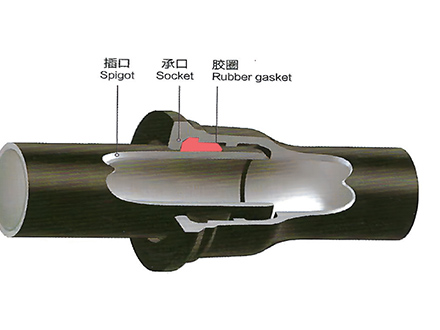 GT-type Joint Ductile Iron Pipe
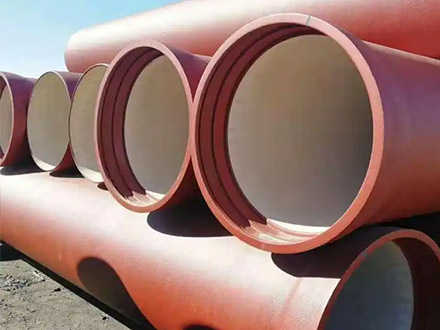
 Sewage Pipe (Ductile Iron Sewage Pipe)
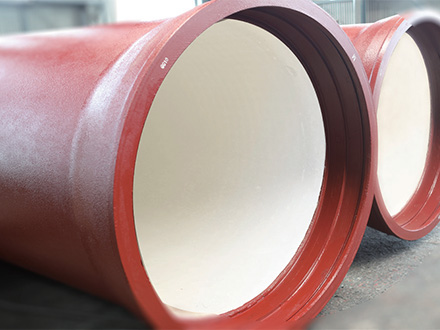
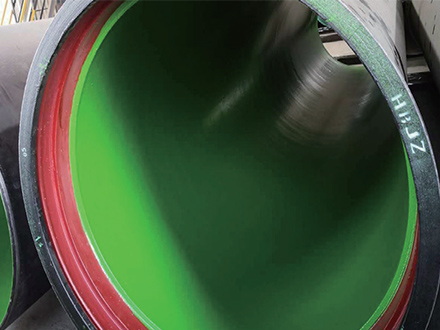 Special Coating Pipe (Ductile Iron Pipe with Special Coatings)