

ISO 2531 vs EN 545: Ductile Iron Pipe Standards Comparison for International Buyers
ISO 2531 vs EN 545: Ductile Iron Pipe Standards Comparison for International Buyers
When procuring ductile iron pipe for international projects, understanding the difference between ISO 2531 and EN 545 standards is critical for ensuring compliance, avoiding costly rejections, and selecting appropriate suppliers. While both standards cover ductile iron pipes for water applications, they have significant differences in scope, technical requirements, testing protocols, and certification processes. This comprehensive comparison helps procurement managers make informed decisions based on project location, funding source, and regulatory requirements.
Standards Overview
ISO 2531: International Standard
Full Title: ISO 2531 "Ductile iron pipes, fittings, accessories and their joints for water or gas applications"
Publisher: International Organization for Standardization (ISO)
First Published: 1974 (multiple revisions, latest: 2009)
Geographic Scope:
✅ Middle East (all countries)
✅ Southeast Asia (most countries)
✅ Africa (most countries)
✅ South America (most countries)
✅ Australia and New Zealand
❌ Europe (replaced by EN 545)
Key Characteristics:
Performance-based standard (focuses on results)
Flexible testing requirements
Manufacturer self-certification acceptable
Widely accepted by international lenders (ADB, AfDB, IDB)
EN 545: European Standard
Full Title: EN 545 "Ductile iron pipes, fittings, accessories and their joints for water pipelines - Requirements and test methods"
Publisher: European Committee for Standardization (CEN)
First Published: 1994 (revised 2006, 2010)
Geographic Scope:
✅ European Union (mandatory)
✅ EFTA countries (Norway, Switzerland, Iceland)
✅ UK (post-Brexit, retained as BS EN 545)
✅ Some World Bank projects (specified in bidding documents)
❌ Not typically used outside Europe
Key Characteristics:
Prescriptive standard (detailed requirements)
Mandatory third-party certification
More stringent testing than ISO 2531
Requires notified body involvement
Key Differences: Side-by-Side Comparison
1. Pressure Class System
| Aspect | ISO 2531 | EN 545 |
|---|---|---|
| Pressure Classes | K7, K8, K9, K10, K11, K12 | PN10, PN16, PN25, PN35, PN40 |
| Most Common | K9 | PN16 |
| Equivalence | K9 ≈ PN16 | PN16 ≈ K9 |
| Design Approach | Allowable working pressure + surge | Nominal pressure rating |
2. Mechanical Requirements
| Property | ISO 2531 | EN 545 | Difference |
|---|---|---|---|
| Tensile Strength | ≥420 MPa | ≥420 MPa | Same |
| Yield Strength | ≥300 MPa | ≥300 MPa | Same |
| Elongation | ≥10% | ≥10% | Same |
| Hardness | ≤230 HB | ≤230 HB | Same |
| Impact Testing | Optional | Mandatory for DN≥300 | EN stricter |
| Ring Stiffness | Calculated | Tested | EN stricter |
| Hydrostatic Test | Per batch | 100% testing | EN stricter |
3. Dimensional Requirements
| Parameter | ISO 2531 | EN 545 | Difference |
|---|---|---|---|
| Outside Diameter | Same DN system | Same DN system | Identical |
| Wall Thickness | e = K(0.5 + 0.001×DN) | Same formula | Identical |
| Length | 6m ±50mm | 6m ±50mm | Identical |
| Straightness | ≤0.125% of length | ≤0.125% of length | Identical |
| Socket Dimensions | Table specified | Table specified | Minor differences |
| Tolerance | ±1% on OD | ±1% on OD | Identical |
4. Coating and Lining Requirements
| Coating Type | ISO 2531 | EN 545 | Difference |
|---|---|---|---|
| External Zinc | ≥200g/m² | ≥200g/m² | Same minimum |
| Zinc Testing | Per batch | Per heat + periodic | EN stricter |
| Cement Lining | ≥3mm (DN≤300) ≥4mm (DN≥350) | Same thickness | Same |
| Lining Testing | Visual + thickness | Visual + thickness + compression | EN stricter |
| Paint Topcoat | Optional | Mandatory for certain classes | EN stricter |
| Polyethylene | ISO 8179 | EN 14628 | Different standards |
5. Testing Requirements
| Test Type | ISO 2531 | EN 545 | Frequency |
|---|---|---|---|
| Tensile Test | Required | Required | Per batch (ISO) / Per heat (EN) |
| Hardness Test | Required | Required | Per pipe (both) |
| Hydrostatic Test | Required | Required | Per batch (ISO) / 100% (EN) |
| Impact Test | Optional | Required (DN≥300) | Major difference |
| Ring Stiffness | Calculated | Physical test | EN stricter |
| Coating Adhesion | Optional | Required | EN stricter |
| Cement Compression | Optional | Required | EN stricter |
6. Certification Requirements
| Aspect | ISO 2531 | EN 545 |
|---|---|---|
| Certification Type | Manufacturer self-declaration acceptable | Third-party certification mandatory |
| Notified Body | Not required | Required (EU countries) |
| Factory Audit | Optional (buyer's discretion) | Mandatory (annual) |
| Product Marking | ISO 2531, DN, class, manufacturer, year | EN 545, DN, PN, manufacturer, CE mark, notified body number |
| Traceability | Heat number per batch | Heat number per pipe |
| Test Reports | Summary per batch | Detailed per heat + per pipe |
Regional Certification Bodies
EN 545 Certifications (Europe)
| Country | Certification Body | Mark |
|---|---|---|
| Netherlands | KIWA | KIWA BRL-K622 |
| Germany | DVGW | DVGW W 275 |
| UK | WRAS | WRAS Approved |
| France | ACS | Attestation de Conformité Sanitaire |
| Belgium | Belgaqua | Belgaqua Certified |
| Sweden | SITAC | SITAC Certified |
ISO 2531 Certifications (International)
| Region | Certification Body | Notes |
|---|---|---|
| USA/Canada | NSF International | NSF/ANSI 61 for drinking water |
| Middle East | ESMA (UAE), SASO (Saudi) | Local type approval |
| Southeast Asia | SIRIM (Malaysia), TISI (Thailand) | Country-specific |
| Australia | WaterMark | Mandatory for plumbing products |
| International | SGS, BV, TUV | Third-party inspection |
Project Selection Guide: Which Standard to Specify?
Use EN 545 When:
✅ Project is in European Union or EFTA countries
✅ Project is in UK (post-Brexit)
✅ Funding from European Investment Bank (EIB)
✅ Client specifically requires EN 545 in bidding documents
✅ Project has strict water quality requirements (potable water)
✅ Long-term performance guarantee is critical
Use ISO 2531 When:
✅ Project is in Middle East, Africa, Asia, or South America
✅ Funding from World Bank, ADB, AfDB, or IDB (unless specified otherwise)
✅ Cost optimization is priority (EN 545 typically 15-25% more expensive)
✅ Local regulations accept ISO 2531
✅ Supplier base is primarily Asian (China, India, Turkey)
✅ Project timeline is tight (EN 545 certification takes longer)
Cost Implications
Price Premium for EN 545 vs ISO 2531
| Cost Component | EN 545 Premium | Reason |
|---|---|---|
| Pipe Material | 10-15% | Stricter quality control, more testing |
| Certification | 3-5% | Third-party certification fees, annual audits |
| Testing | 2-3% | 100% hydrostatic, impact testing, additional tests |
| Documentation | 1-2% | More detailed test reports, traceability |
| Lead Time | +2-4 weeks | Certification process, additional testing |
| Total Premium | 15-25% | Varies by size and quantity |
Common Mistakes in Standard Selection
Mistake 1: Assuming K9 = PN16
Problem: Treating K9 and PN16 as identical without verifying specific requirements.
Solution: While approximately equivalent, always confirm pressure ratings, testing requirements, and certification needs in project specifications.
Mistake 2: Ordering EN 545 for Non-European Projects
Problem: Specifying EN 545 for Middle East or Asian projects, paying 20% premium unnecessarily.
Solution: Verify local regulations and funding requirements. ISO 2531 is usually sufficient and more cost-effective.
Mistake 3: Accepting ISO 2531 for European Projects
Problem: Supplier delivers ISO 2531 pipe for European project requiring EN 545.
Solution: Reject non-compliant material. EN 545 is mandatory in EU, not optional. Re-order with proper certification.
Mistake 4: Not Verifying Certification Authenticity
Problem: Supplier claims EN 545 certification but provides fake or expired certificates.
Solution: Verify certificates directly with certification body (KIWA, DVGW, etc.). Check certificate number, validity dates, and scope.
Sourcing EN 545 vs ISO 2531 Certified Suppliers
EN 545 certification requires third-party audits and annual factory inspections, while ISO 2531 allows manufacturer self-declaration. Some Chinese foundries hold only ISO 2531 certification, while others have EN 545 with KIWA or DVGW approval. By integrating production capacity across qualified Chinese foundries, Tiegu delivers compliant and high-quality casting products to buyers worldwide while identifying suppliers with valid certifications for target markets.
This avoids costly re-ordering when projects require specific standard compliance.
Submit your project specifications and target market to confirm which standard applies to your order.
Standard Selection Checklist
☐ Project location confirmed (determines applicable standard)
☐ Funding source verified (World Bank, EIB, local government)
☐ Client specifications reviewed (ISO 2531 or EN 545 explicitly stated)
☐ Local regulations checked (mandatory standards in project country)
☐ Certification requirements identified (KIWA, DVGW, NSF, etc.)
☐ Supplier certifications verified (valid, in-scope, not expired)
☐ Cost impact assessed (EN 545 typically 15-25% premium)
☐ Lead time adjusted (EN 545 certification adds 2-4 weeks)
Conclusion
ISO 2531 and EN 545 are both quality standards for ductile iron pipe, but they serve different markets and have different requirements. EN 545 is mandatory for European projects with stricter testing and certification. ISO 2531 is the international standard accepted globally with more flexibility and lower cost.
Key decision factors:
Project location: Europe → EN 545; Rest of world → ISO 2531
Funding source: EIB → EN 545; World Bank/ADB → usually ISO 2531
Budget: Cost-sensitive → ISO 2531; Performance-critical → EN 545
Timeline: Tight schedule → ISO 2531; Flexible → EN 545
Always verify standard requirements in bidding documents before placing orders. The cost of correcting wrong standard selection (re-ordering, delays, rejection) far exceeds any initial savings from choosing the wrong standard.
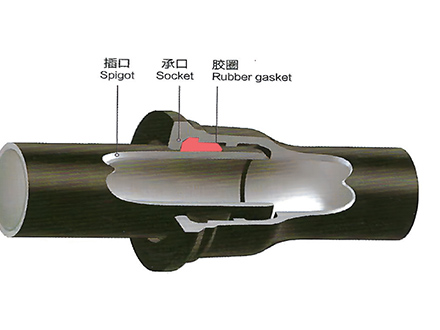 GT-type Joint Ductile Iron Pipe
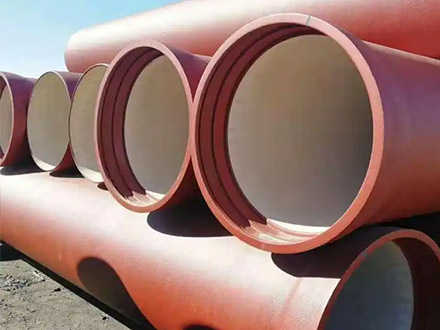
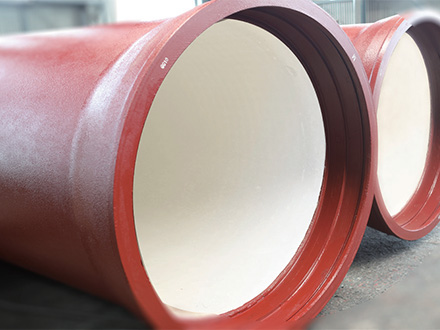 Sewage Pipe (Ductile Iron Sewage Pipe)
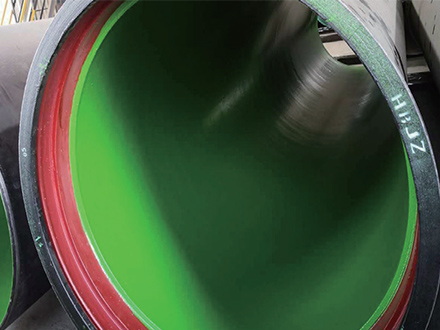 Special Coating Pipe (Ductile Iron Pipe with Special Coatings)