
Why Africa Water Infrastructure Needs Reliable Pipe Suppliers
Why Cement Lined Ductile Iron Pipe is Ideal for Africa
Understanding African Water Pipeline Standards
Key Supplier Qualification Criteria
China: A Reliable Source for Ductile Iron Pipe Supply
Summary: Key Takeaways
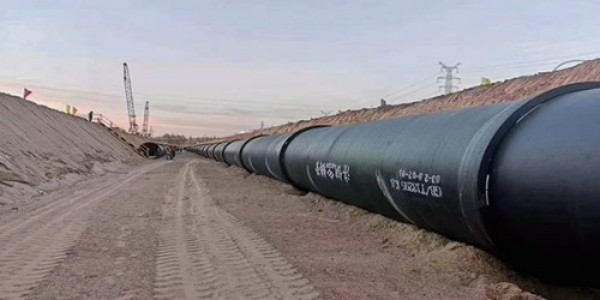
Why Africa Water Infrastructure Needs Reliable Pipe Suppliers
Africa's water infrastructure is facing urgent challenges. Aging pipelines, frequent leaks, and uneven water distribution continue to affect both urban and rural communities. In cities such as Johannesburg, Durban, Cape Town, Lagos, and Nairobi, many existing networks still rely on outdated steel or PVC pipes.
These materials are easily corroded, resulting in:
High leakage rates and frequent maintenance
Short service life and increased replacement costs
Low efficiency in long-term infrastructure investment
To modernize water supply systems across Africa, engineers and contractors are turning to more durable solutions — cement lined ductile iron pipes. With urbanization accelerating and World Bank/African Development Bank funding increasing, the demand for reliable ductile iron pipe suppliers has never been higher.
Proper supplier selection directly impacts project success. Poor-quality pipes lead to premature failures, costly repairs, and reputation damage for contractors.
Why Cement Lined Ductile Iron Pipe is Ideal for Africa
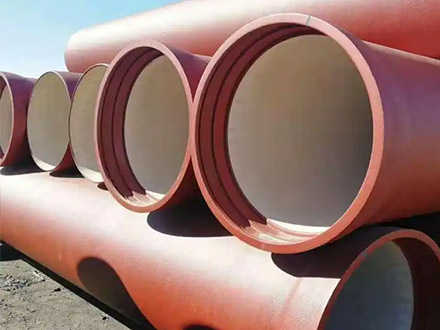
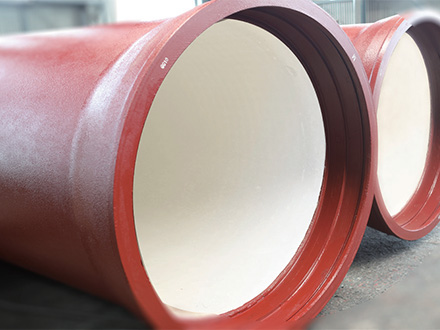
Cement lined ductile iron pipe combines the mechanical strength of ductile iron with the corrosion resistance of cement mortar. It offers significant advantages for African conditions:
Excellent Corrosion Resistance
The cement lining prevents water and iron contact, effectively reducing corrosion in different water qualities found across Africa. Whether dealing with high-chloride coastal water or acidic inland sources, cement lining provides reliable protection.
High Pressure and Load Capacity
Ductile iron's mechanical strength ensures reliability under high water pressure, ideal for both urban high-rise buildings and rural long-distance transmission. K9 pressure class handles operating pressures up to 40 bar with appropriate safety margins.
Long Service Life
With a lifespan of over 50 years, cement lined ductile iron pipe significantly reduces long-term maintenance costs compared with steel or plastic pipes. Lifecycle cost analysis shows 30-40% savings over 50-year periods.
Secure and Flexible Joint Design
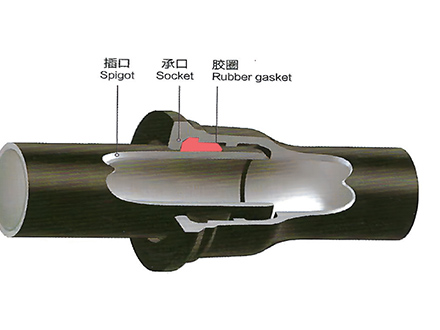
Push-on or mechanical joints ensure easy installation and minimal leakage, supporting large-scale pipeline projects efficiently. Installation speeds of 300-500m per day per crew are achievable with proper training.
Suitable for Diverse Applications
Cement lined ductile iron pipes are widely used in:
Municipal water supply networks
Sewage and drainage systems
Industrial water transportation
Rural clean water projects
Fire protection systems
Understanding African Water Pipeline Standards
African countries use various standards for ductile iron pipe. Understanding these is critical for supplier qualification:
SABS/SANS (South Africa)
South African Bureau of Standards (SABS) uses SANS 815, which is based on ISO 2531. Key requirements include:
K9 pressure class for municipal water
Cement mortar lining Class K
Zinc coating minimum 130g/m²
Hydrostatic pressure testing
East African Standards (EAS)
East African Community countries (Kenya, Tanzania, Uganda) use EAS standards that reference ISO 2531 and EN 545. Projects funded by international organizations typically require ISO 2531 compliance.
West African Standards
West African countries often use ISO 2531 or EN 545 directly. Nigeria, Ghana, and Senegal have developing national standards but commonly accept international certifications for major infrastructure projects.
International Funding Requirements
Projects funded by World Bank, African Development Bank, or bilateral aid typically require:
ISO 2531 or EN 545 certification
Third-party inspection (SGS, BV, Intertek)
Complete documentation package
Project references from similar climates
| Region | Primary Standard | Alternative | Key Requirement |
|---|---|---|---|
| South Africa | SANS 815 | ISO 2531 | SABS certification preferred |
| East Africa | EAS (ref ISO 2531) | EN 545 | Third-party inspection |
| West Africa | ISO 2531 | EN 545 | Complete documentation |
| North Africa | EN 545 | ISO 2531 | CE marking (for some) |
Key Supplier Qualification Criteria
Evaluating ductile iron pipe suppliers requires systematic assessment across multiple dimensions:
Certification Requirements
ISO 9001: Quality management system (minimum requirement)
ISO 2531/EN 545: Product certification (mandatory for water projects)
CE Marking: Required for some North African countries
SABS: Preferred for South African projects
Technical Capability
Pressure Classes: Must produce K9 (standard) and K10/K12 (on request)
Diameter Range: DN80-DN600 for most projects; DN700-DN2000 for transmission lines
Cement Lining Quality: Thickness 3-6mm, smooth surface, no cracks
Coating Quality: Zinc layer thickness ≥130g/m², uniform application
Documentation Capability
Suppliers must provide complete export documentation:
Mill certificates (chemical composition, mechanical properties)
Pressure test reports (hydrostatic testing)
Coating inspection reports (zinc thickness, lining quality)
Dimensional inspection reports
Certificate of Origin
Commercial Invoice, Packing List, Bill of Lading
Project Experience
Verify supplier's track record:
Request project references from Africa or similar climates
Check completion dates and project scale
Contact previous clients for performance feedback
Verify claims with independent sources
Common Sourcing Risks and How to Avoid
Risk 1: Low-Ball Pricing
Manifestation: Quotation significantly below market rate, quality fails after delivery.
Prevention: Request detailed cost breakdown, compare with raw material prices, verify production capacity.
Risk 2: Certificate Fraud
Manifestation: Certificates cannot be verified or are expired.
Prevention: Verify directly with certification body, request original documents, use third-party inspection.
Risk 3: Delivery Delays
Manifestation: Production schedule unrealistic, logistics poorly arranged.
Prevention: Clear penalty clauses in contract, phased shipments, regular production updates.
Risk 4: Documentation Gaps
Manifestation: Incomplete customs documents cause port delays.
Prevention: Confirm document checklist in advance, pre-review before shipment.
China: A Reliable Source for Ductile Iron Pipe Supply
China has become one of the world's largest ductile iron pipe manufacturers, exporting to Africa, the Middle East, and Europe. For African importers and contractors, working with a China ductile iron pipe supplier offers multiple advantages:
Competitive Price
Large-scale production and stable raw material supply reduce the ductile iron pipe price. China's integrated supply chain from pig iron to finished pipe ensures cost competitiveness without sacrificing quality.
Guaranteed Quality
Reputable Chinese suppliers comply with ISO 2531, EN 545, and regional standards (SABS, EAS) for water and sewer applications. Many factories have automated production lines and in-house testing laboratories.
Fast Delivery
Flexible port logistics (Tianjin, Qingdao, Ningbo, Shanghai) ensure quick shipments to Durban, Cape Town, Lagos, Mombasa, or other African ports. Typical lead times: 30-45 days for standard specifications.
Customized Options
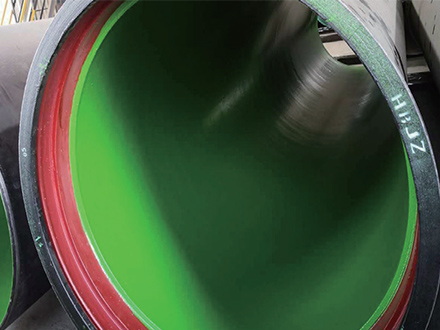
Available in different diameters (DN80-DN2000), pressure classes (K7-K12), and coatings (cement, epoxy, zinc, polyethylene encasement). Non-standard specifications can be produced on request.
China-Africa Cooperation Context
With the Belt and Road Initiative (BRI) and China–Africa cooperation deepening, more African infrastructure projects are adopting China cement lined ductile iron pipes. Chinese suppliers are increasingly familiar with African standards and project requirements.
China's manufacturing strength has become a solid foundation for Africa's water infrastructure development.
Summary: Key Takeaways
Verify ISO 2531/EN 545 certification directly with issuing body before order commitment — do not accept copies without verification
K9 pressure class with cement lining is standard for most African municipal water projects; specify K10/K12 only when hydraulic calculations confirm necessity
Request complete documentation package: mill certificates, pressure test reports, coating inspection, dimensional checks, and export documents
Check supplier's project references in similar climate conditions — coastal, arid, or tropical depending on your location
Use phased payment terms linked to production milestones and third-party inspection results
Consider total lifecycle cost, not just unit price — quality ductile iron pipe lasts 50+ years with minimal maintenance