

K-Class vs PN-Class: Ductile Iron Pipe Pressure Rating Systems Compared
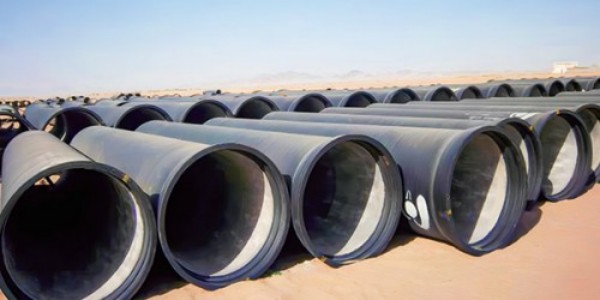
When specifying ductile iron pipe, engineers and procurement managers encounter two different pressure rating systems: K-class (K7, K8, K9, K10, K11, K12) and PN-class (PN10, PN16, PN25, PN40). Understanding the differences between these systems, their calculation methods, regional preferences, and approximate equivalencies is critical for proper pipe selection and avoiding costly specification errors. This comprehensive comparison helps clarify confusion and enables informed decision-making.
Rating System Overview
K-Class System (ISO 2531)
Standard: ISO 2531 "Ductile iron pipes, fittings, accessories and their joints for water or gas applications"
Pressure Classes: K7, K8, K9, K10, K11, K12
Geographic Usage:
✅ Middle East (all countries)
✅ Southeast Asia (most countries)
✅ Africa (most countries)
✅ South America (most countries)
✅ Australia and New Zealand
❌ Europe (replaced by PN-class)
Key Characteristics:
Based on allowable working pressure + built-in surge allowance
Wall thickness calculated using formula: e = K × (0.5 + 0.001 × DN)
K number represents pressure class coefficient
More flexible testing requirements
Manufacturer self-certification acceptable
PN-Class System (EN 545)
Standard: EN 545 "Ductile iron pipes, fittings, accessories and their joints for water pipelines - Requirements and test methods"
Pressure Classes: PN10, PN16, PN25, PN40
Geographic Usage:
✅ European Union (mandatory)
✅ EFTA countries (Norway, Switzerland, Iceland)
✅ UK (post-Brexit, retained as BS EN 545)
✅ Some World Bank projects (specified in bidding documents)
❌ Not typically used outside Europe
Key Characteristics:
PN number represents maximum operating pressure in bars at 20°C
Wall thickness calculated using same formula as K-class
More stringent testing and certification requirements
Mandatory third-party certification
Requires notified body involvement (EU countries)
Approximate Equivalencies
K-Class to PN-Class Conversion Table
| K-Class | Approximate PN-Class | Working Pressure | Surge Allowance | Design Pressure | Notes |
|---|---|---|---|---|---|
| K7 | PN10 | 6 bar | 2 bar | 8 bar | Low pressure, gravity systems |
| K8 | PN10 | 8 bar | 4 bar | 12 bar | Rural water supply |
| K9 | PN16 | 10 bar | 6 bar | 16 bar | Most common equivalence |
| K10 | PN25 | 12 bar | 8 bar | 20 bar | High pressure transmission |
| K11 | PN25-PN40 | 14 bar | 10 bar | 24 bar | Special applications |
| K12 | PN40 | 16 bar | 12 bar | 28 bar | Pump discharge, industrial |
Wall Thickness Comparison
Wall Thickness Calculation Formula
Both K-class and PN-class use the SAME wall thickness calculation formula per ISO 2531 and EN 545:
e = minimum wall thickness (mm)
K = pressure class coefficient (7, 8, 9, 10, 11, 12)
DN = nominal diameter (mm)
Wall Thickness: K9 vs PN16 (DN80-DN600)
| DN | OD (mm) | K9 Thickness | PN16 Thickness | Difference |
|---|---|---|---|---|
| DN80 | 98 | 4.0mm | 4.0mm | 0mm (identical) |
| DN100 | 118 | 4.5mm | 4.5mm | 0mm (identical) |
| DN150 | 170 | 5.0mm | 5.0mm | 0mm (identical) |
| DN200 | 222 | 5.6mm | 5.6mm | 0mm (identical) |
| DN250 | 274 | 6.3mm | 6.3mm | 0mm (identical) |
| DN300 | 326 | 7.0mm | 7.0mm | 0mm (identical) |
| DN400 | 429 | 8.0mm | 8.0mm | 0mm (identical) |
| DN500 | 532 | 8.8mm | 8.8mm | 0mm (identical) |
| DN600 | 635 | 9.6mm | 9.6mm | 0mm (identical) |
Conclusion: For K9 and PN16, wall thickness is IDENTICAL across all common sizes (DN80-DN600). The difference lies in testing requirements and certification, not dimensions.
Wall Thickness: K10 vs PN25 (DN80-DN600)
| DN | OD (mm) | K10 Thickness | PN25 Thickness | Difference |
|---|---|---|---|---|
| DN80 | 98 | 4.5mm | 5.0mm | 0.5mm (PN25 thicker) |
| DN100 | 118 | 5.0mm | 5.6mm | 0.6mm (PN25 thicker) |
| DN150 | 170 | 5.6mm | 6.3mm | 0.7mm (PN25 thicker) |
| DN200 | 222 | 6.3mm | 7.0mm | 0.7mm (PN25 thicker) |
| DN250 | 274 | 7.0mm | 7.7mm | 0.7mm (PN25 thicker) |
| DN300 | 326 | 7.7mm | 8.5mm | 0.8mm (PN25 thicker) |
| DN400 | 429 | 8.8mm | 9.7mm | 0.9mm (PN25 thicker) |
| DN500 | 532 | 9.7mm | 10.7mm | 1.0mm (PN25 thicker) |
| DN600 | 635 | 10.6mm | 11.7mm | 1.1mm (PN25 thicker) |
Conclusion: For K10 and PN25, PN25 has slightly thicker walls (0.5-1.1mm thicker). This reflects EN 545's more conservative design approach for high-pressure applications.
Design Philosophy Differences
K-Class Design Approach
K-class uses a "working pressure + surge allowance" approach:
K9: 10 bar working + 6 bar surge = 16 bar design
K10: 12 bar working + 8 bar surge = 20 bar design
Advantages:
Clear separation of working pressure and surge
Built-in safety margin for typical surge events
Simpler selection for standard applications
Limitations:
May be inadequate for extreme surge conditions
Requires separate surge analysis for non-standard conditions
PN-Class Design Approach
PN-class uses a "maximum operating pressure" approach:
PN16: 16 bar maximum operating pressure
PN25: 25 bar maximum operating pressure
Advantages:
Clear maximum pressure limit
Temperature derating factors well-defined
Compatible with European equipment standards
Limitations:
Surge allowance not explicitly stated
Requires calculation of surge separately
Testing Requirements Comparison
Hydrostatic Testing
| Rating | Test Pressure (K-class) | Test Pressure (PN-class) | Test Duration |
|---|---|---|---|
| K9 / PN16 | 25 bar (K9) | 32 bar (PN16) | ≥10 seconds |
| K10 / PN25 | 30 bar (K10) | 50 bar (PN25) | ≥10 seconds |
| K12 / PN40 | 40 bar (K12) | 80 bar (PN40) | ≥10 seconds |
Key Difference: PN-class hydrostatic test pressures are approximately 2× PN rating, while K-class test pressures are approximately 2.5× working pressure. This results in higher test pressures for PN-class.
Additional Testing (EN 545 / PN-class Only)
| Test Type | K-class (ISO 2531) | PN-class (EN 545) |
|---|---|---|
| Impact Testing | Optional | Mandatory for DN≥300 |
| Ring Stiffness | Calculated | Physical test required |
| Coating Adhesion | Optional | Mandatory |
| Cement Compression | Optional | Mandatory |
| Factory Audit | Optional (buyer's discretion) | Mandatory (annual) |
Regional Preferences and Standards
Countries Using K-Class (ISO 2531)
| Region | Common Pressure Classes | Notes |
|---|---|---|
| Middle East | K9 (most common), K10 | UAE, Saudi Arabia, Qatar, Oman |
| Southeast Asia | K9 | Singapore, Malaysia, Thailand, Vietnam |
| South Asia | K9 | India, Pakistan, Bangladesh |
| Africa | K9, K10 | Varies by country and funding source |
| Australia | K9, K10 | AS/NZS 2280 standard (based on ISO 2531) |
| South America | K9 | Brazil, Argentina, Chile |
Countries Using PN-Class (EN 545)
| Region | Common Pressure Classes | Notes |
|---|---|---|
| European Union | PN16 (most common), PN25 | Mandatory per EU directives |
| UK | PN16 | BS EN 545 (retained post-Brexit) |
| Switzerland | PN16, PN25 | SIA standards (aligned with EN 545) |
| Norway | PN16 | Aligned with EN 545 |
Selection Guidelines by Project Type
Municipal Water Distribution
| Project Location | Recommended Standard | Pressure Class |
|---|---|---|
| Europe | EN 545 | PN16 |
| Middle East | ISO 2531 | K9 |
| Southeast Asia | ISO 2531 | K9 |
| Africa | ISO 2531 (usually) | K9 |
| World Bank (varies) | Check bidding documents | K9 or PN16 |
Transmission Mains
| Line Length | Recommended Class | Notes |
|---|---|---|
| <2 km | K9 or PN16 | Standard choice |
| 2-5 km | K10 or PN25 | Surge analysis recommended |
| 5-10 km | K10 or PN25 | Surge analysis mandatory |
| >10 km | K10-K12 or PN25-PN40 | Surge protection required |
Industrial Applications
| Application | Recommended Class | Notes |
|---|---|---|
| Cooling water | K9 or PN16 | Standard industrial |
| Process water | K10 or PN25 | Higher pressure |
| Pump discharge | K10-K12 or PN25-PN40 | High pressure + surge |
| Mining slurry | K10-K12 or PN25-PN40 | Abrasion + pressure |
Common Mistakes
Mistake 1: Treating K9 and PN16 as Identical
Problem: Assuming K9 = PN16 in all aspects without verifying testing and certification requirements.
Consequence: May work dimensionally, but EN 545 projects require PN-class certification. K9 pipe may be rejected.
Solution: Verify project specifications. If EN 545 is specified, use PN16 with proper certification. If ISO 2531 is specified, K9 is acceptable.
Mistake 2: Using K10 for European Projects
Problem: Ordering K10 pipe for European project requiring PN25.
Consequence: Pipe rejected at customs or construction site. Costly re-ordering and project delays.
Solution: Always use PN-class for European projects. Verify certification (KIWA, DVGW, etc.) before ordering.
Mistake 3: Ignoring Wall Thickness Differences at Higher Pressures
Problem: Assuming K10 = PN25 wall thickness for large diameters.
Consequence: PN25 has 0.5-1.1mm thicker walls for DN80-DN600. Using K10 may result in under-designed pipe.
Solution: Verify wall thickness for high-pressure applications. When in doubt, use PN25 for PN-class projects.
Mistake 4: Not Verifying Certification Authenticity
Problem: Supplier claims K9 or PN16 certification but provides fake or expired certificates.
Consequence: Non-compliant pipe delivered, project rejected, legal liability.
Solution: Verify certificates directly with certification body. Check certificate number, validity dates, and scope.
Supply Chain Perspective
Sourcing EN 545 vs ISO 2531 Certified Suppliers
EN 545 certification requires third-party audits and annual factory inspections, while ISO 2531 allows manufacturer self-declaration. Some Chinese foundries hold only ISO 2531 certification, while others have EN 545 with KIWA or DVGW approval. By integrating production capacity across qualified Chinese foundries, Tiegu delivers compliant and high-quality casting products to buyers worldwide while identifying suppliers with valid certifications for target markets.
This avoids costly re-ordering when projects require specific standard compliance.
Submit your project specifications and target market to confirm which standard applies to your order.
Pressure Class Selection Checklist
☐ Project location confirmed (determines applicable standard)
☐ Standard specified (ISO 2531 or EN 545)
☐ Working pressure calculated from hydraulic analysis
☐ Surge analysis performed for lines >2km
☐ Pressure class selected (K9/K10 or PN16/PN25)
☐ Wall thickness verified for selected class and DN
☐ Certification requirements identified (KIWA, DVGW, NSF, etc.)
☐ Supplier certifications verified (valid, in-scope, not expired)
Conclusion
K-class and PN-class are two different pressure rating systems for ductile iron pipe, serving different geographic markets and standards. K-class (ISO 2531) is used internationally except in Europe. PN-class (EN 545) is mandatory for European projects.
Key points:
K9 ≈ PN16: Approximately equivalent for most applications, identical wall thickness
K10 vs PN25: PN25 has slightly thicker walls (0.5-1.1mm) for DN80-DN600
Testing differs: PN-class has more stringent testing and certification requirements
Regional preference: Europe = PN-class; Rest of world = K-class
Verify specifications: Always check project bidding documents before ordering
When in doubt, consult project specifications or request technical support from qualified suppliers. The cost of verifying pressure class requirements is negligible compared to the cost of ordering wrong specification.
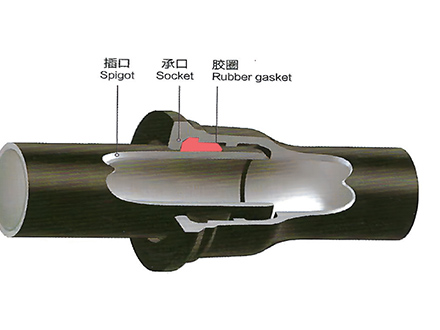 GT-type Joint Ductile Iron Pipe
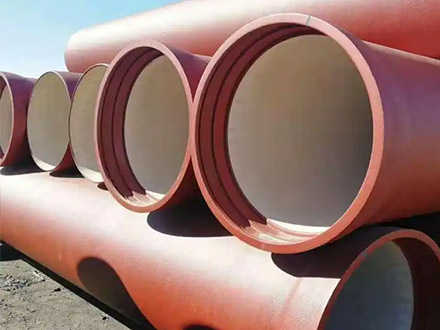
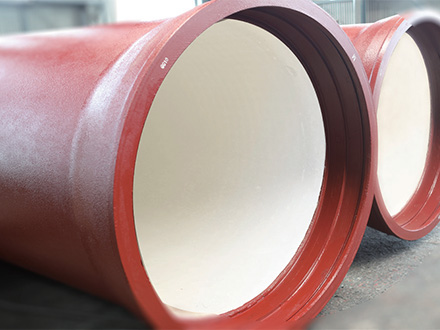 Sewage Pipe (Ductile Iron Sewage Pipe)
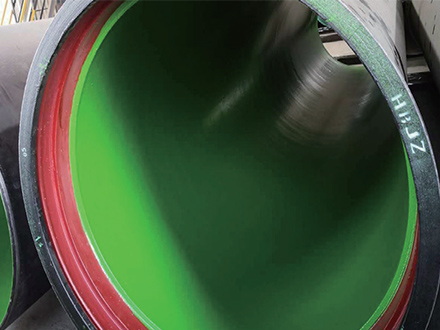 Special Coating Pipe (Ductile Iron Pipe with Special Coatings)