

Ductile Iron Pipe Corrosion Protection in African Soil and Climate: Laterite, Salinity, and Heat
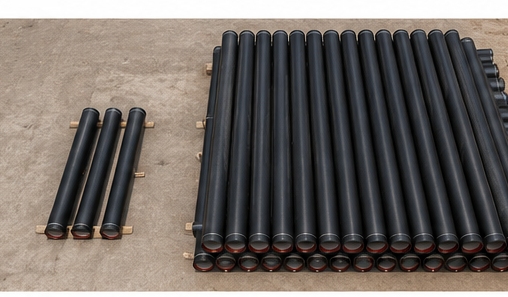
Africa's soils and climate put unusual stress on buried and exposed pipe, and the coating that works in one district can fail in the next. A utility in the East African Rift, a coastal estate in Lagos, and an inland scheme near the Sahel each face a different dominant threat. Specifying ductile iron pipe (DIP) correctly means matching the external protection and internal lining to the exact burial zone and water chemistry, not applying one default specification across the whole country. Our DIP solutions page outlines the diameter and class range these protection systems are built for.
Why African ground is demanding
The continent spans acidic red soils, salt-laden coastlines, seasonally flooded flats, and arid zones with extreme daytime heat. Many routes cross more than one of these in a single alignment. DIP is ferrous, so its long life depends on a well-designed coating and lining system rather than on the metal alone; the high-corrosion soil guide explains how the threatening mechanism is identified before a protection scheme is chosen. Get the scheme right and a DIP main runs for decades; get it wrong and the same pipe corrodes from the outside in.
Laterite and acidic soils
Red laterite — common through the East African Rift and across large parts of West and Central Africa — is iron-rich, acidic, and holds moisture against the pipe wall for long periods. Bare zinc is not enough here because the reactive, wet ground keeps consuming it. The practical answer is zinc plus a loose polyethylene sleeve, which separates the pipe from the soil and gives the zinc a stable, low-corrosion environment to work in. The external coating comparison shows where sleeving sits against other external options.
Saline coastlines and high water tables
Coastal cities and estuarine crossings — Lagos, Mombasa, Alexandria, the Niger Delta — sit in chloride-rich ground, and inland schemes on high water tables keep the pipe zone wet for most of the year. Chloride is the classic driver of external corrosion on ferrous pipe, so the external system must be continuous and well-bonded at every joint. Internal selection follows the water: potable lines use cement mortar lining, while process or brackish streams may need an epoxy or polyurethane lining chosen with the coating and lining page.
Heat and UV above ground
Much of Africa runs hot, and any exposed or shallow-buried section takes direct sun and surface temperatures well above those in temperate climates. DIP and its coatings tolerate heat and UV far better than polymeric pipe, but above-ground runs still need a UV-stable external finish and adequate cover where the line is buried. Pipe that deflects under settlement needs that flexibility preserved, which the flexible joint deflection guide addresses for the jointed line.
Building the protection system
A DIP corrosion-protection package is built up in layers. Externally, zinc metallization with a bitumen or sealing layer is the baseline, upgraded with a polyethylene sleeve in aggressive or wet soils. Internally, cement mortar lining serves most potable and many process duties, while epoxy or PU lining handles aggressive or corrosive waters. Pressure class and wall are set from worst-case surge, not static head alone; the water-hammer guide shows how class and surge are fixed together before the order is placed.
Matching protection to the burial zone
The right move is to zone the alignment: laterite and acidic sections get zinc plus sleeving, saline or high-water-table sections get the same external care plus a lining matched to the water, and exposed runs get a UV-stable finish. The standards and certification page ties the product norm to the conformity evidence authorities expect, while the dimensions and pressure class page confirms what the certificate must state for each diameter and class.
Joints and coating continuity
A coating is only as good as its continuity at the joints. T-type push-on joints keep the external sleeve continuous across the pipe string, and flanged tie-ins at valves and equipment need the same protection carried through. The joints and connections page lays out where each joint type belongs, and the pre-shipment inspection note covers how the coating and lining are verified before the consignment leaves the mill. The supplier document checklist keeps the certificate file aligned to the order.
Buyer's checklist for African corrosion protection
Before specifying DIP for an African scheme, confirm: (1) a soil and water-chemistry survey along the full alignment, (2) external protection matched to each zone — zinc plus sleeve in laterite and wet ground, (3) internal lining matched to the water, (4) a UV-stable finish for any exposed run, (5) coating continuity carried through every joint, and (6) the inspection file proving what was actually coated. Writing these into the tender — as set out in the tender specification guide — stops a low price from hiding a pipe that cannot survive the ground it is laid in. Inquire about specifications and pricing →
From specification to shipped pipe
For African schemes, the practical risk is not the pipe itself but the gap between a written specification and what is actually coated, lined, and shipped. Tiegu closes that gap as a single sourcing and export partner: confirming the external and internal protection system against the project's soil and water survey, coordinating suppliers to the agreed zinc, sleeve, and lining scheme, and verifying coating and lining application through pre-shipment inspection before export. A buyer in Lagos, Mombasa, or the Sahel can therefore specify by ground condition under one commercial contract covering technical confirmation, inspection, documentation, and logistics.
Frequently asked questions
Which African soils are hardest on ductile iron pipe?
Acidic laterite and chloride-rich saline or high-water-table ground are the two most demanding, and many alignments cross both. Laterite keeps the pipe wet and reactive, while chloride drives external corrosion at every coating discontinuity. A soil survey along the route is the first step before the coating scheme is set.
Is zinc coating enough for African laterite soils?
Zinc alone is usually not enough in acidic, moisture-retentive laterite because the reactive ground keeps consuming it. Zinc plus a loose polyethylene sleeve is the practical specification, separating the pipe from the soil and letting the zinc work in a stable environment. Bare zinc is reserved for milder, drier ground.
How should the internal lining be chosen for African water?
Potable and most municipal lines use cement mortar lining, which is robust and widely accepted. Brackish, process, or corrosive waters need an epoxy or polyurethane lining selected against the actual water chemistry. The lining choice follows the water, not a single default across the project.
Does African heat and UV damage ductile iron pipe?
DIP and its coatings tolerate heat and UV far better than polymeric pipe, so above-ground and shallow runs are practical. Exposed sections still need a UV-stable external finish and adequate cover where buried, and the jointed line must keep its deflection flexibility. The material itself is not the weak point in hot climates.
What documents prove the coating and lining were applied correctly?
Expect mill test certificates, coating and lining certificates, and third-party inspection reports where the specification calls for them. The file should match the ordered diameters, classes, and linings exactly, with the coating scheme recorded for each zone. Missing or mismatched certificates are a common cause of hold-ups at customs and on site.
Tiegu is a China-based ductile iron pipe sourcing and export partner serving international water infrastructure, wastewater, and industrial projects.
We supply DN80–DN2600 ductile iron pipes and fittings manufactured according to ISO 2531, EN 545, EN 598, and AWWA standards, with cement mortar lining, epoxy lining, and various external coating options.
From technical specification confirmation and supplier coordination to quality inspection, export documentation, and logistics support, Tiegu provides a reliable one-stop sourcing solution under a single commercial contract.
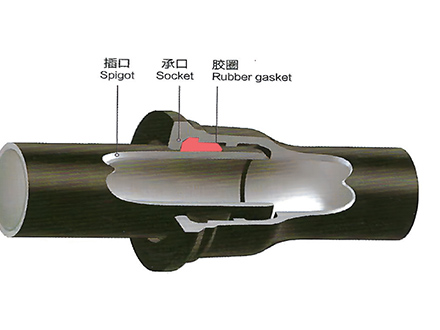 GT-type Joint Ductile Iron Pipe
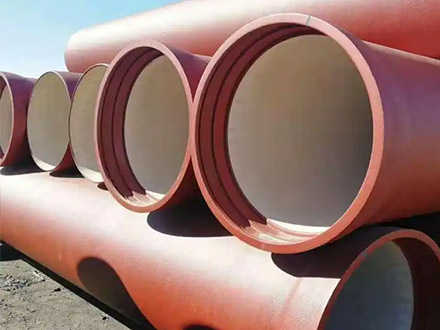
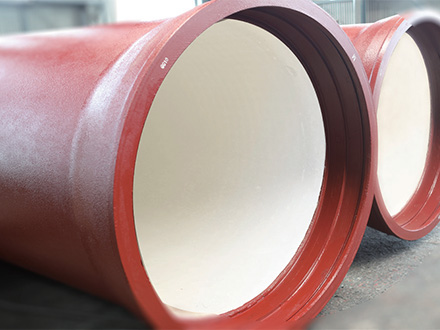 Sewage Pipe (Ductile Iron Sewage Pipe)
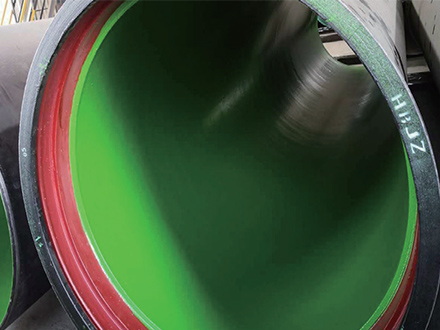 Special Coating Pipe (Ductile Iron Pipe with Special Coatings)