

Ductile Iron Pipe Water Hammer and Surge Protection
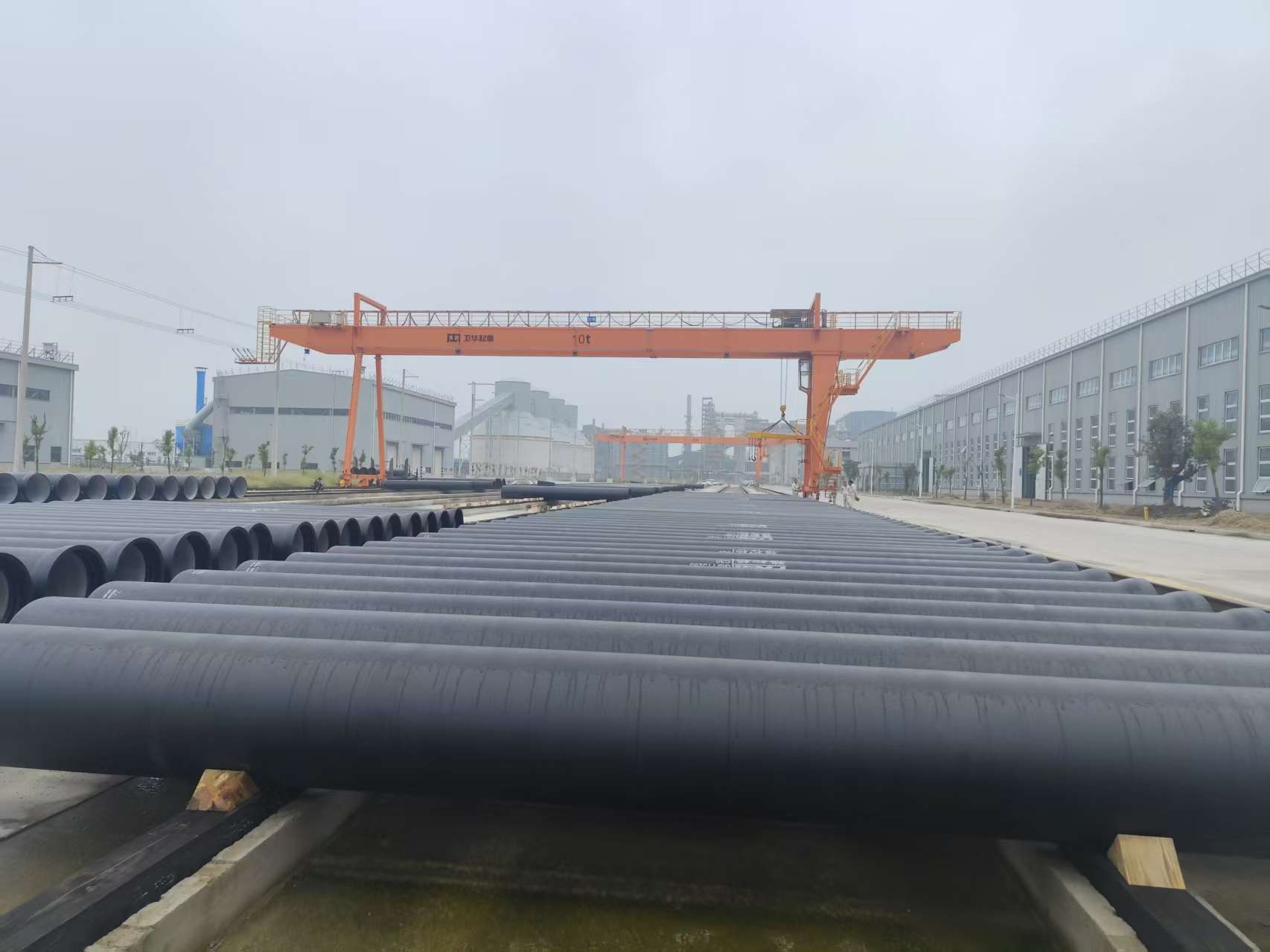
A pipe that survives steady operating pressure can still fail the moment flow stops too fast. Water hammer — the pressure transient created when moving water is suddenly accelerated or stopped — can raise pressure far above the normal rating and pull joints apart. For ductile iron pipe (DIP) systems this is avoidable with the right design choices. This guide covers what causes surge in DIP lines, what it damages, and how to protect the system.
What water hammer is
Water is nearly incompressible, but it carries momentum. When a pump trips, a valve closes quickly, or a column of water drops into a vacuum, the flow velocity changes in seconds and a pressure wave travels down the line at the speed of sound in water. That wave can appear as a positive spike (over-pressure) or a negative trough (sub-atmospheric, even vacuum). Both ends of the swing damage pipe and fittings.
Why DIP systems are exposed
DIP handles transient pressure well because ductile iron is tough and the pipe wall is ductile rather than brittle. The real weak point is usually the joint, not the barrel. A positive surge pushes joints apart; a negative surge can pull a non-restrained push-on joint open if the line goes into tension. High operating velocities make the surge larger, so systems designed at the top of the velocity range are the most at risk.
How surge damages a line
Joint separation. The most common failure: a transient in tension opens push-on joints that are not anchored.
Over-pressure burst. A positive spike above the pressure class can split fittings or buckle thin-wall sections.
Column separation and cavitation. Negative pressure lets the column break; when it rejoins, the impact repeats the hammer.
Air locking. Trapped air at high points causes flow interruption and secondary surges.
Design measures that prevent surge
Limit velocity. Keep design velocity within roughly 2–3 m/s so the energy behind any transient stays bounded. This is the single cheapest protection.
Close valves slowly. Specifying slow-close or controlled-rate valves removes the sharp event that starts most surges.
Vent high points. Air and vacuum valves release trapped air and admit air on vacuum, preventing column separation. Place them at all risers and summits.
Use restrained or self-anchoring joints where tension can occur. In long runs, steep grades, or pumped mains, specify restrained joints so a transient in tension cannot pull the line open. The flexible joint deflection guide shows how joint movement relates to layout.
Size the pressure class with margin. Choose the pressure class from the peak expected pressure including surge, not the steady-state average. A class picked only on operating pressure leaves no room for the spike.
Protection equipment
Air/vacuum valves. Automatically vent air during filling and admit it during vacuum; the first line of defence against column separation.
Surge tanks and hydropneumatic vessels. Absorb the pressure spike near pumps and control the wave.
Slow-close check valves. Prevent reverse flow and the rebound surge that follows a pump trip.
Pressure relief valves. Cap the peak on vulnerable sections.
Standards and verification
Surge behaviour should be confirmed against the project's hydraulic model and the applicable standard for the pipe, such as AWWA C150/C151 or ISO 2531. The pressure class on the mill test certificate must cover the transient peak, not just the static head. Verify this during specification review rather than after installation.
Common mistakes buyers make
Designing to steady pressure only. The certificate class should cover the surge peak, not the operating average.
Leaving joints unrestrained on pumped mains. Tension transients open push-on joints.
Omitting air valves at summits. Trapped air triggers column separation and repeat surges.
Running at high velocity to save pipe. It shrinks the pipe bill but enlarges every transient.
Treating surge as the contractor's problem. Specify protection in the purchase document so it is built in, not added later.
What to specify in your order
Tell the supplier the operating pressure, expected surge peak from the hydraulic study, line profile (summits, grades, pump locations), and the joint type required for transient loads. Inquire about specifications and pricing →
Tiegu is a China-based ductile iron pipe sourcing and export partner serving international water infrastructure, wastewater, and industrial projects.
We supply DN80–DN2600 ductile iron pipes and fittings manufactured according to ISO 2531, EN 545, EN 598, and AWWA standards, with cement mortar lining, epoxy lining, and various external coating options.
From technical specification confirmation and supplier coordination to quality inspection, export documentation, and logistics support, Tiegu provides a reliable one-stop sourcing solution under a single commercial contract.
Inquire about specifications and pricing →
Frequently asked questions
Can ductile iron pipe withstand water hammer?
Yes, the ductile iron barrel tolerates transient pressure well because the material is tough and ductile. The greater risk is at the joints: an unrestrained push-on joint can open under tension, so protection focuses on joint type, velocity, and air management rather than the pipe wall itself. Most reported surge failures on DIP lines are joint separations rather than barrel ruptures, so the design effort should concentrate on restraints and air venting rather than thicker pipe walls.
What is the most common water hammer failure in DIP systems?
Joint separation. A pressure transient that puts the line in tension can pull open a non-restrained push-on joint, causing a leak or blow-off. Specifying restrained or self-anchoring joints on pumped mains and graded lines prevents it.
Do I need air valves if the line is mostly flat?
Yes, at every high point and summit. Air collects at risers even on gently graded lines, and trapped air causes column separation and secondary surges. Air and vacuum valves at those points are inexpensive insurance.
How do I choose the right pressure class with surge in mind?
Base the class on the peak pressure including the calculated surge, not the steady operating head. If your hydraulic study shows a transient peak above the static rating, the pipe and fittings must be specified to that peak so the certificate covers it. A practical method is to add the calculated surge allowance to the static and operating head, then select the next standard pressure class above that combined total.
Is surge protection only needed on large pipelines?
No. Surge scales with velocity and how fast flow changes, so even modest lines with fast-closing valves or unprotected pumps can see damaging transients. The protective measures — limited velocity, slow-close valves, air valves, restrained joints — apply at any diameter.
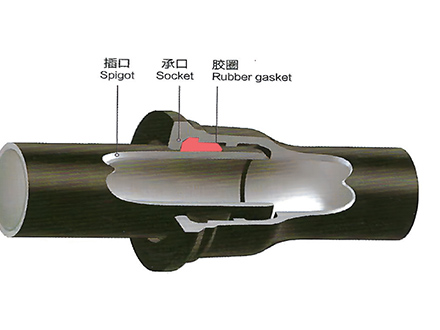 GT-type Joint Ductile Iron Pipe
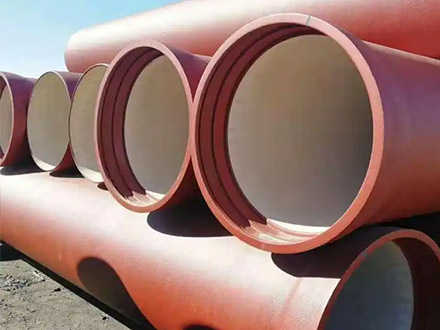
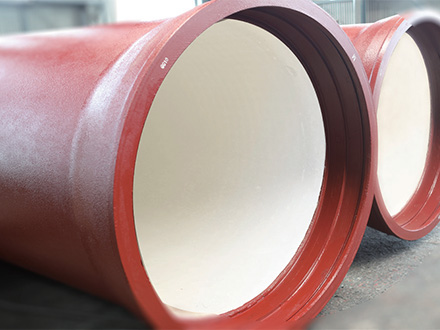 Sewage Pipe (Ductile Iron Sewage Pipe)
 Special Coating Pipe (Ductile Iron Pipe with Special Coatings)