

How to Avoid Risks When Importing Ductile Iron Pipes from China?
Importing ductile iron pipes from China can be safe and cost-effective when buyers control specification confirmation, inspection procedures, and documentation accuracy. Most procurement risks are not caused by manufacturing origin itself, but by mismatched standards, unclear pressure class selection, insufficient inspection, or poor export coordination.
For international buyers unfamiliar with the Chinese supplier landscape, structured sourcing coordination plays a critical role in reducing uncertainty.
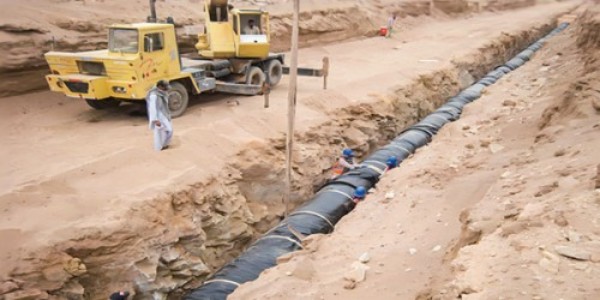
Verify Compliance with International Standards
The first step in risk control is confirming compliance with recognized international standards. For water supply projects, commonly referenced standards include:
EN 545
ISO 2531
AWWA C151
GB/T 13295
These standards define dimensional tolerances, hydrostatic testing, cement lining thickness, and zinc coating requirements.
Ductile iron pipe reliability depends primarily on strict compliance with these specifications. Buyers should clearly state the required standard and pressure class in written contracts and request mill test certificates for verification.
Through supplier screening and document review processes, platforms such as Tiegu help overseas buyers verify that production strictly follows the declared standards before shipment.
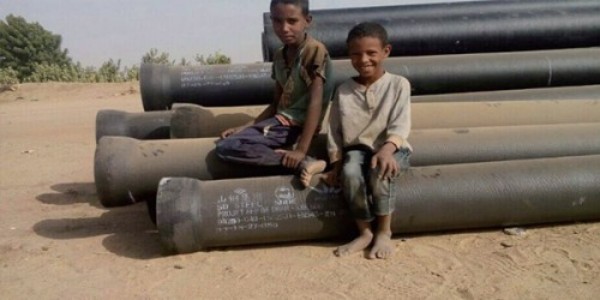
Confirm Pressure Class and Wall Thickness
Pressure class selection directly influences:
Internal pressure resistance
Wall thickness
Pipe weight
Freight cost
Higher pressure classes such as K9 increase safety margins but also raise material and transportation expenses due to heavier weight.
Incorrect pressure class selection often leads to unnecessary budget increases or container loading inefficiencies. Technical comparison before order confirmation is essential.
By coordinating multiple qualified manufacturers, Tiegu enables buyers to compare technical sheets and pressure class options side by side, reducing the risk of specification errors and over-engineering.
Inspect Internal Lining and External Coating
For potable water systems, cement mortar lining is typically required. External protection commonly includes zinc coating with bituminous or epoxy finishing.
Coating failure is one of the most common causes of premature pipeline deterioration. Zinc coating weight and lining thickness defined in EN 545 play a critical role in corrosion resistance, particularly in aggressive soil environments.
Documented coating inspection before shipment significantly improves long-term performance reliability.
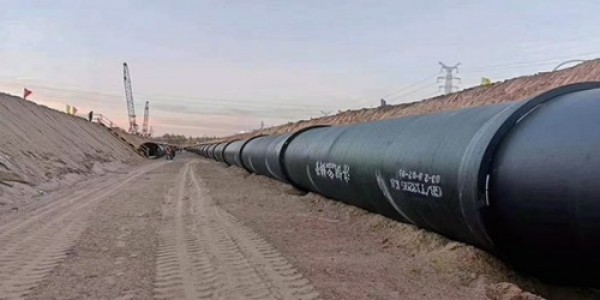
Control Pre-Shipment Inspection
Pre-shipment inspection should include:
Hydrostatic pressure testing
Dimensional verification
Coating thickness measurement
Surface condition evaluation
Independent third-party inspection before container sealing significantly reduces commercial disputes and project acceptance issues.
In export projects coordinated through Tiegu’s supplier network, structured inspection procedures and centralized documentation review are implemented before shipment, minimizing risk exposure for overseas buyers.
Clarify Contract and Documentation Terms
Many import disputes arise from documentation inconsistency rather than actual product defects.
Essential documents include:
Mill test certificates
Inspection reports
Accurate packing list with weight details
Bill of lading
Most international procurement risks are related to incomplete specification confirmation or documentation inconsistency. Clear contract terms and traceable inspection records significantly reduce customs delays and project acceptance complications.
Centralized coordination of documentation across suppliers further reduces administrative risk in multi-size or project-based orders.
Evaluate Supplier Export Coordination Capability
Not all factories are equally experienced in international project execution.
Important evaluation factors include:
Familiarity with destination country standards
Container loading optimization
Multi-specification project coordination
Timely and accurate export documentation
Selecting a supplier based solely on price increases long-term risk exposure.
For buyers entering the Chinese market for the first time, working with a structured supply chain integration platform such as Tiegu provides access to pre-qualified manufacturers and consolidated export management, reducing verification workload and improving procurement transparency.
This model shifts procurement from single-factory dependence to structured risk management.
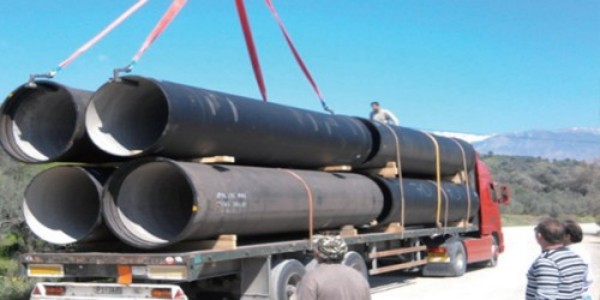
Risk Comparison: Direct Purchase vs. Coordinated Sourcing
Aspect | Direct Factory Purchase | Coordinated Supply via Tiegu |
Supplier Screening | Buyer Responsibility | Pre-qualified Network |
Technical Comparison | Limited | Multi-supplier Evaluation |
Inspection Management | Separate Arrangements | Structured Coordination |
Documentation Control | Variable | Centralized Review |
Risk Exposure | Higher | Reduced |
Short-term price advantages should not outweigh long-term project stability.
Practical Recommendations
Clearly specify applicable standards and pressure class in writing.
Verify wall thickness and technical sheets before production.
Arrange third-party inspection prior to shipment.
Confirm coating and lining suitability for local soil conditions.
Consider coordinated sourcing support for complex or large-scale projects.
FAQ
Is ductile iron pipe quality from China reliable?
Quality depends on compliance with international standards and structured inspection control rather than country of origin alone.
What is the most common import risk?
Specification mismatch and incomplete documentation are the most frequent causes of disputes.
Does higher pressure class always mean better performance?
Higher pressure class increases safety margin but also increases weight and cost. Selection should match project pressure requirements.
How can procurement risk be reduced for overseas buyers?
Using structured supplier integration and export coordination services helps improve specification control, inspection management, and documentation accuracy.
Summary
Import risk is mainly related to specification control and inspection management.
Standards such as EN 545 and ISO 2531 must be clearly referenced in contracts.
Pressure class selection impacts both technical performance and freight cost.
Coating inspection is essential for long-term corrosion resistance.
Structured supply chain coordination, such as through Tiegu, reduces commercial and documentation risks.
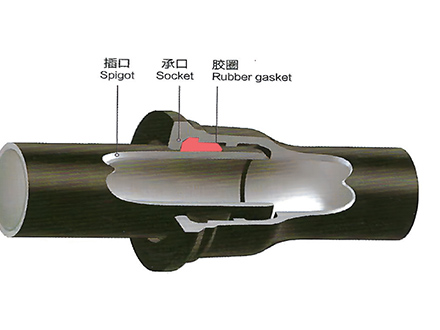 GT-type Joint Ductile Iron Pipe
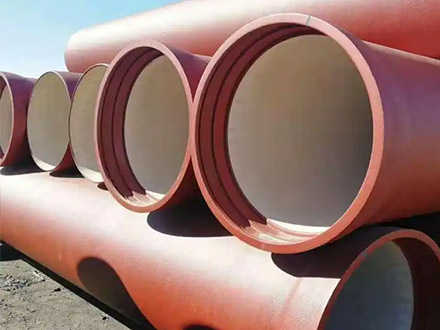
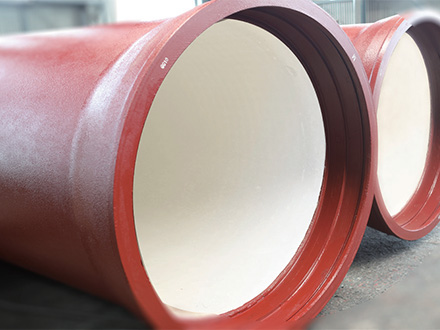 Sewage Pipe (Ductile Iron Sewage Pipe)
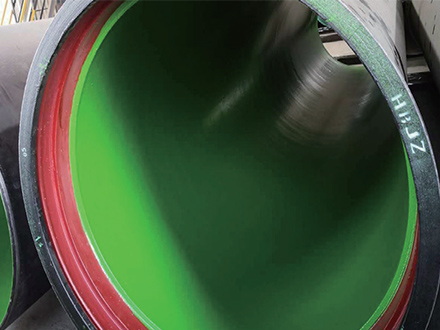 Special Coating Pipe (Ductile Iron Pipe with Special Coatings)