

How to Store and Handle Ductile Iron Pipe on Site: A Buyer's Guide

The pipe survived the foundry, the hydrostatic test, and six weeks at sea. The last place it gets damaged is often the one buyers forget about: the weeks it sits on the project site before installation. Dragging with an excavator bucket, chaining the pipe barrel, or leaving rubber gaskets baking in the sun are the quiet causes of coating damage, joint contamination, and rejected lengths discovered too late to claim. This guide covers what to do the moment the container opens.
1. Receive and verify against the documents
Before anything is moved, check the delivery against the paperwork. Match the packing list and Bill of Lading to what actually arrived — bundle count, diameters, classes, and container number — and confirm the Mill Test Certificate covers the heats delivered. Count the bundles, note any visible damage on the delivery receipt, and photograph it. A damage note signed at delivery is what makes a later claim possible; a clean signature with no备注 is what defeats one.
2. Stack on a level, prepared base
Store pipe on firm, level ground cleared of rocks and debris. Use timber dunnage (sleepers) so the pipe does not sit directly on the soil, and keep stacks aligned so the weight is carried by the barrel, not the spigot or bell ends. Limit stacking height to what the pipe and the base can safely carry — tall, leaning stacks are unstable and can roll. Segregate by diameter and class so crews pull the right length without hunting through mixed piles.
3. Protect the joints and rubber gaskets
Push-on (T-type) and mechanical joints carry a rubber gasket that is the most fragile part of the pipe in storage. Keep gaskets clean, dry, and out of direct sunlight; UV and heat degrade rubber long before installation. Leave the factory end protectors and joint covers in place until the pipe is laid, and never let soil or standing water reach the bell. For guidance on how joints are meant to go together, see our joint installation overview.
4. Protect the external coating
Zinc, bitumen, and polyethylene coatings are tough but not abuse-proof. Move pipe with wide nylon slings, not bare chains or steel cables dragged across the surface, and never drag a pipe along the ground behind a machine. Impacts that chip the coating expose the iron to the exact corrosion the coating was meant to block. If a length is scuffed in handling, record it and repair it to the specification rather than burying the evidence — our coating and lining overview and the external coating comparison explain what each layer protects and how PE film differs from zinc.
5. Lift and move safely
Use certified lifting beams or wide, soft slings sized for the load, and lift evenly so the pipe stays straight. Never hook a chain around the barrel to drag or hoist it — point loads bend ductile iron and can crack the bell. Keep lifts low and controlled; dropping or swinging a length into a pile damages both the pipe and the one it hits. Large-diameter pipe (DN1200 and above) is heavy enough that lifting and site movement need a plan, not improvisation; the large-diameter weight and handling notes cover the planning points.
6. Mind the storage duration
Ductile iron pipe stores well, but "well" depends on conditions. Avoid prolonged contact with standing water or aggressive soil, keep gaskets shaded, and use stock on a first-in-first-out basis so nothing sits for years. If pipe has been on site for many months — especially through a wet season — re-inspect the coating and gaskets before installation. Surface rust on bare metal is cosmetic and normal; coating damage and hardened or cracked gaskets are not.
7. Keep the site organised and secure
A tidy laydown yard is faster and safer than a scramble. Keep aisles clear for inspection vehicles, label piles by size and class, and secure the area against theft — fittings and flanged specials are the easy targets. Organised storage also makes the pre-installation inspection (the one that actually matters) straightforward rather than a search mission.
Common mistakes buyers make
Dragging pipe with an excavator bucket instead of slinging it. The coating and the pipe both pay for it.
Chaining the barrel to lift. Point loads bend and can crack the bell.
Leaving gaskets exposed to sun and rain for months. Degraded rubber fails at the first pressure test.
Stacking too high or on uneven ground. Stacks roll, and a rolling length of DN800 is a serious hazard.
Signing the delivery receipt "clean" without checking. That signature waives every later claim.
FAQ
How should ductile iron pipe be stacked on site?
On firm, level ground with timber dunnage so the pipe is off the soil and the weight sits on the barrel rather than the ends. Keep stacks aligned and limit the height to what is stable and safe to handle, and separate diameters and classes so crews can pull the right length without disturbing the pile. Never stack pipe on its bell or spigot end, and keep aisles clear for inspection access.
Can I store DIP directly on the ground?
Not ideally. Direct contact with soil and standing water invites corrosion at the contact line and makes the pipe dirty and harder to inspect. Timber sleepers or a prepared hardstand are the standard, and they also keep stacks stable. If ground contact is unavoidable for a short period, lift it onto dunnage as soon as practicable and keep the area drained.
How do I protect the rubber gaskets and joints in storage?
Leave the factory end protectors and joint covers in place until laying, keep the bells shaded and dry, and prevent soil or water from reaching the gasket groove. Rubber degrades under prolonged UV and heat, so a shaded laydown area matters more than buyers expect. Inspect gaskets visually before installation; if one is hardened, cracked, or contaminated, replace it rather than risk a joint leak.
What is the safest way to lift and move DIP?
Use certified lifting beams or wide soft slings rated for the load, lift evenly and low, and keep the pipe controlled throughout the move. Never hook a chain around the barrel or drag the pipe with machinery, because point loads bend the iron and can crack the bell. For large diameters, plan the lift and the route in advance — the weight at DN1200 and above is enough to demand proper equipment and spotters.
How long can DIP be stored before installation, and do I need to re-inspect?
Ductile iron pipe stores well for extended periods if kept dry, shaded at the joints, and off aggressive soil, with stock used on a first-in-first-out basis. There is no fixed expiry, but after many months — particularly through wet or hot seasons — re-inspect the external coating and the gaskets before laying. Light surface rust on bare areas is normal; chipped coating or degraded gaskets should be repaired or replaced before installation.
Need the delivery, storage, and inspection steps built into your supply plan? Inquire about specifications and pricing →
Tiegu is a China-based ductile iron pipe sourcing and export partner serving international water infrastructure, wastewater, and industrial projects.
We supply DN80–DN2600 ductile iron pipes and fittings manufactured according to ISO 2531, EN 545, EN 598, and AWWA standards, with cement mortar lining, epoxy lining, and various external coating options.
From technical specification confirmation and supplier coordination to quality inspection, export documentation, and logistics support, Tiegu provides a reliable one-stop sourcing solution under a single commercial contract.
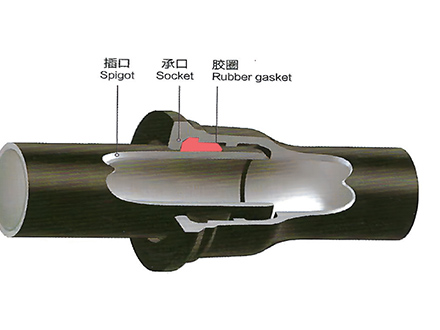 GT-type Joint Ductile Iron Pipe
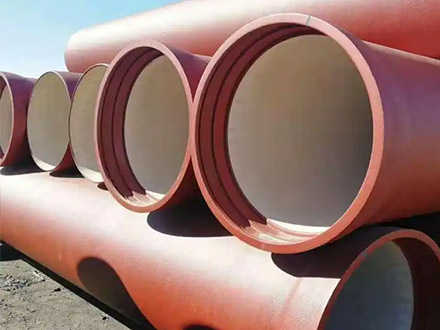
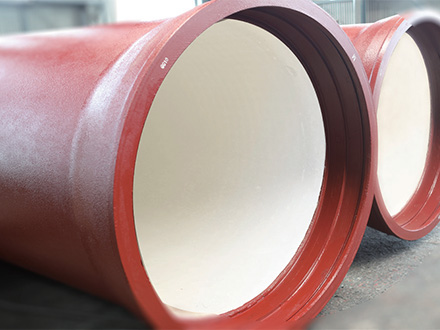 Sewage Pipe (Ductile Iron Sewage Pipe)
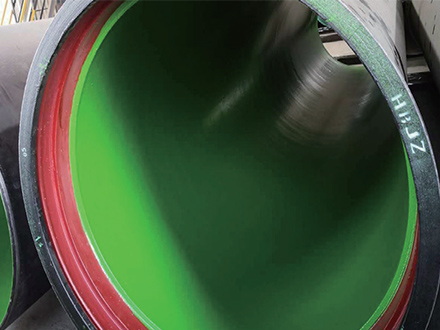 Special Coating Pipe (Ductile Iron Pipe with Special Coatings)