

Water Pipeline Projects in South Africa: Material Selection & Tender Guide
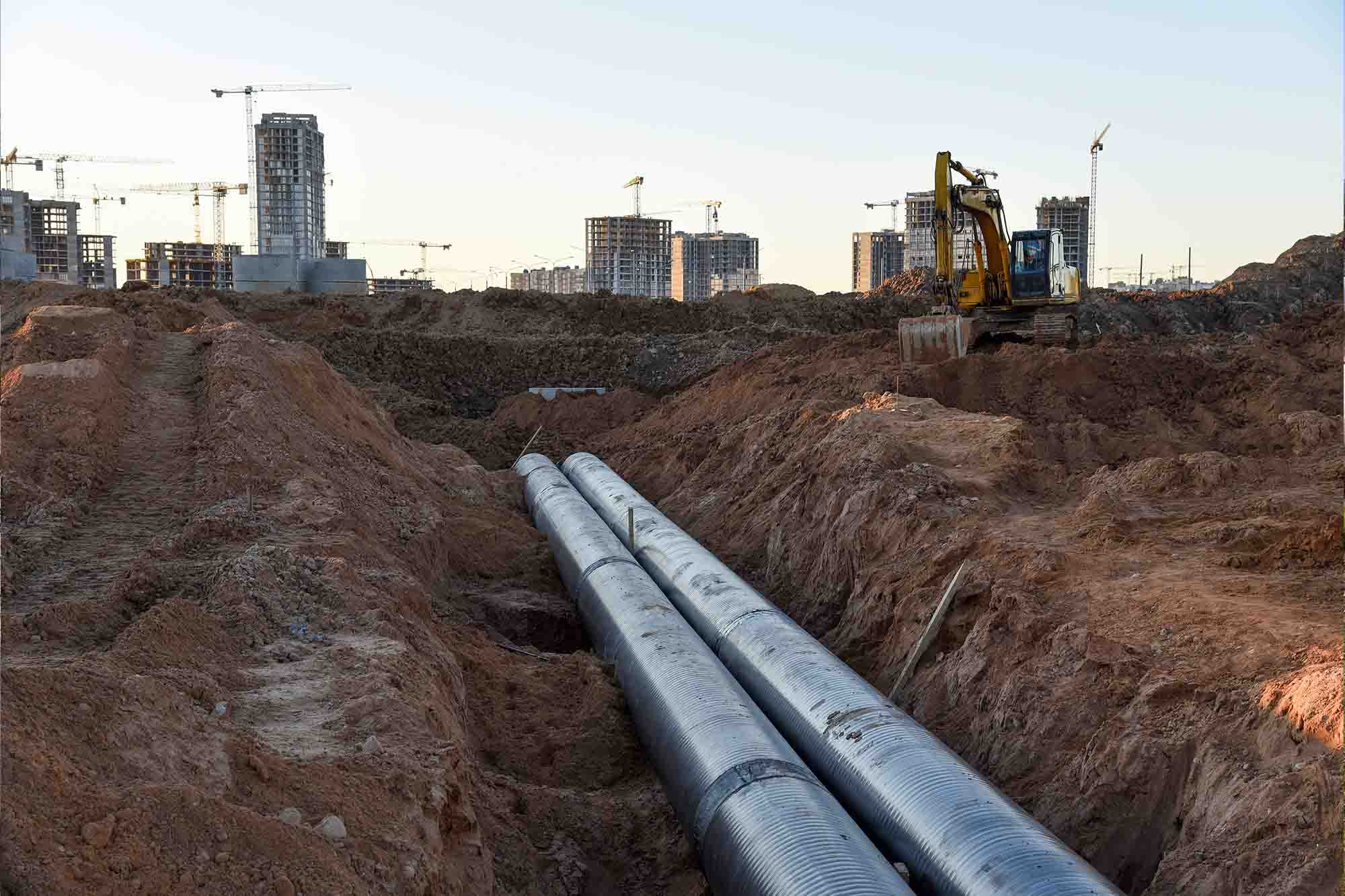
Which Pipe Material Is Best for South African Water Projects?
For most South African municipal water projects, there is no single "best" pipe material.
The right choice depends on four practical factors:
Operating pressure
Pipeline diameter
Soil conditions
Long-term maintenance cost
In real projects, engineers rarely select materials based on purchase price alone. A pipe that appears cheaper during procurement may become significantly more expensive after years of maintenance, repairs, or premature replacement.
For the majority of municipal transmission and distribution systems operating at DN200-DN800 and PN16-PN40, ductile iron pipe remains the preferred solution because it provides a balance between strength, service life, and lifecycle cost.
Understanding South Africa's Main Water Infrastructure Projects
Before selecting pipe materials, it is important to understand what type of project is being built.
Different projects create very different engineering requirements.
Bulk Water Transmission Pipelines
These are the large-diameter pipelines that transport water from dams and treatment plants to cities and municipalities.
Typical characteristics:
DN600-DN2000+
Long-distance routes
Higher operating pressure
Critical infrastructure
In these projects, durability and pressure resistance usually outweigh initial procurement cost.
This is why ductile iron pipe and steel pipe remain the dominant choices.
Many South African water boards such as Rand Water and Umgeni Water continue to use ductile iron for major transmission networks because of its proven long-term performance.
Municipal Distribution Networks
These networks distribute treated water throughout urban areas.
Typical characteristics:
DN100-DN600
Large number of connections
Moderate pressure requirements
Long service life expectations
In practice, this is where ductile iron pipe delivers its strongest value.
Most municipal engineers prefer K9-class ductile iron pipe because it provides sufficient pressure capacity while avoiding unnecessary material costs.
One common mistake is specifying K12 throughout the entire network. In many cases, this increases procurement costs without providing meaningful engineering benefits.
Rural Water Supply Projects
Rural water schemes often operate under tighter budget constraints.
Typical characteristics:
DN80-DN400
Lower population density
Cost-sensitive procurement
In these situations, HDPE may become attractive due to lower installation costs and flexibility.
However, when long-term durability and future expansion are priorities, many project owners still select ductile iron pipe despite the higher initial investment.
How Engineers Actually Select Pipe Materials
Material selection is rarely based on one factor.
Instead, engineers typically evaluate the following considerations together.
Pressure Requirements
Pressure remains one of the first filters during material selection.
For pipelines operating above PN16, ductile iron often becomes the preferred option due to its structural strength and reliability.
Selecting a lower-grade material may reduce procurement cost today but increase failure risk over the project's lifetime.
Diameter Requirements
Diameter has a direct impact on material economics.
From experience, projects above DN300 tend to favour ductile iron because the cost difference between materials becomes less significant when compared with the benefits of strength and service life.
For smaller service connections, HDPE and PVC often provide a more economical solution.
Soil Conditions
South Africa includes areas with highly variable soil environments.
Where aggressive soils are present, corrosion protection becomes a major design consideration.
Many project failures are not caused by poor pipe quality but by inadequate external protection systems.
This is why soil testing should always be completed before finalising coating specifications.
Total Cost of Ownership
One of the biggest procurement mistakes is focusing only on initial purchase price.
A lower-cost pipe may require:
More maintenance
More repairs
Earlier replacement
Over a 50-year project life, these costs often exceed any savings achieved during procurement.
For many municipal projects, lifecycle cost analysis continues to favour ductile iron pipe.
Three Tender Specification Mistakes That Cause Expensive Problems
Mistake #1: Over-Specifying Pressure Class
Many tenders simply specify K12 for the entire project.
While this appears conservative, it often increases material costs unnecessarily.
In many municipal systems, K9 provides adequate performance while delivering significant savings.
Mistake #2: Ignoring Soil Investigation
Tender documents frequently specify coating systems before soil conditions are properly evaluated.
This can lead to premature corrosion and unexpected maintenance costs.
Engineers should always review:
Soil resistivity
pH levels
Chloride content
Sulfate concentration
before finalising protection requirements.
Mistake #3: Skipping Independent Inspection
Projects occasionally focus heavily on pricing while overlooking quality verification.
Without third-party inspection, problems may only become visible after delivery.
Independent inspection by organizations such as SGS, Bureau Veritas, or TÜV helps reduce project risk and prevent costly delays.
Practical Advice Before Issuing a Water Pipeline Tender
Based on common procurement challenges, project teams should:
✅ Match pressure class to actual hydraulic calculations
✅ Complete soil investigations before finalising coating specifications
✅ Require ISO 2531 or SANS 14394 compliance
✅ Include third-party inspection requirements
✅ Evaluate lifecycle cost instead of purchase price alone
These steps can significantly reduce project risk while improving long-term system performance.
Need Help Reviewing Water Pipeline Specifications?
Every water infrastructure project is different.
Selecting the right pipe material, pressure class, and corrosion protection system requires balancing engineering performance, budget constraints, and long-term maintenance objectives.
If you are preparing a South African water pipeline tender or reviewing supplier quotations, we can assist with specification review, material recommendations, compliance verification, and competitive project pricing based on your technical requirements.
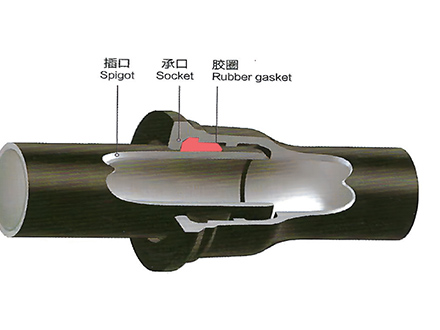 GT-type Joint Ductile Iron Pipe
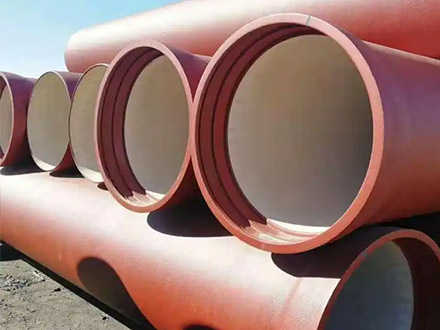
 Sewage Pipe (Ductile Iron Sewage Pipe)
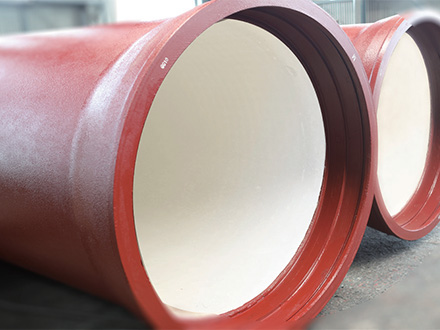
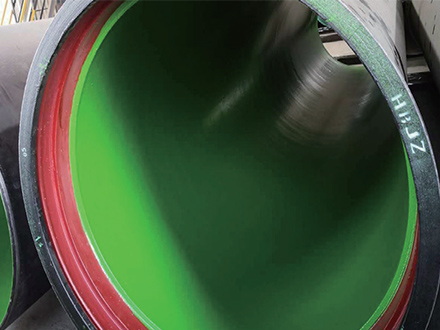 Special Coating Pipe (Ductile Iron Pipe with Special Coatings)