

Water Main Pipe Materials: Complete Comparison Guide for Municipal Water Systems
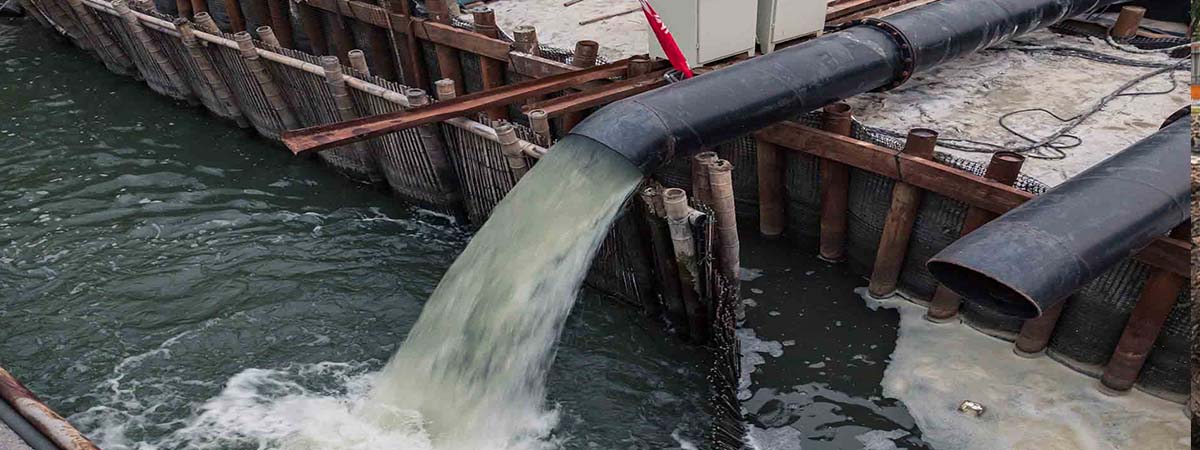
Overview: Why Material Selection Matters for Water Mains
Municipal water systems represent critical infrastructure investments with 50-100 year expected lifespans. The pipe material you select determines:
Long-term reliability: Failure rates vary dramatically by material and installation conditions
Maintenance costs: Some materials require cathodic protection, lining repairs, or early replacement
Hydraulic performance: Internal roughness affects pumping costs and water quality over decades
Installation complexity: Weight, jointing method, and trench requirements impact project timelines
Primary Water Main Pipe Materials
1. Ductile Iron Pipe (DI Pipe)
Market Position: Dominant material for municipal water distribution in diameters 100mm-1600mm (4"-64")
Key Specifications:
Tensile strength: 500 MPa minimum (ISO 2531, EN 545, AWWA C151)
Yield strength: 350 MPa
Elongation: 7-10% (provides impact resistance)
Pressure ratings: PN10, PN16, PN25, PN35, PN50 (10-50 bar working pressure)
Standard lengths: 6m and 8.15m
Joint types: Push-fit (TYTON), mechanical (FLANGED), restrained (LOCKED)
Advantages:
✅ Exceptional strength-to-weight ratio — handles deep burial and heavy traffic loads
✅ Proven 100+ year service life in properly protected installations
✅ Superior beam strength — spans uneven trench bottoms without cracking
✅ Wide fitting and valve availability — complete system compatibility
✅ Recyclable — 95%+ recycled content in production
✅ Fire-resistant — maintains integrity under extreme temperatures
Limitations:
⚠️ Requires corrosion protection in aggressive soils (polyethylene encasement per ISO 12234)
⚠️ Heavier than plastic alternatives — requires mechanical handling equipment
⚠️ Higher initial cost than PVC (offset by longer service life)
2. PVC Pipe (Polyvinyl Chloride)
Market Position: Common in smaller diameter water mains (up to 600mm) and low-pressure applications
Key Specifications:
Pressure ratings: Class 100, 150, 200, 250 psi (AWWA C900, C905)
Standard sizes: 4"-24" (100mm-600mm)
Joint types: Push-fit gasket, solvent cement (smaller sizes)
Maximum operating temperature: 45°C (113°F)
Advantages:
✅ Lowest initial cost among common water main materials
✅ Lightweight — easy manual handling in smaller diameters
✅ Excellent corrosion resistance — immune to electrochemical corrosion
✅ Smooth interior — maintains hydraulic capacity over time
✅ Simple jointing — fast installation with push-fit connections
Limitations:
⚠️ Lower impact strength — vulnerable to damage during installation and from rocks
⚠️ Limited pressure ratings — not suitable for high-pressure transmission
⚠️ Thermal expansion — requires expansion joints in exposed installations
⚠️ UV degradation — cannot be stored outdoors long-term without protection
⚠️ Lower fire resistance — softens at elevated temperatures
3. HDPE Pipe (High-Density Polyethylene)
Market Position: Growing adoption for trenchless installations, directional drilling, and corrosion-prone environments
Key Specifications:
Pressure ratings: PN6-PN25 (6-25 bar) per ISO 4427, AWWA C901/C906
Standard sizes: 20mm-1600mm (3/4"-63")
DR (Dimension Ratio): DR9, DR11, DR17, DR21, DR26, DR32.5
Joint types: Butt fusion, electrofusion, mechanical fittings
Maximum operating temperature: 60°C (140°F)
Advantages:
✅ Continuous lengths — fusion-welded joints create leak-free monolithic systems
✅ Exceptional flexibility — ideal for directional drilling and pipe bursting
✅ Outstanding corrosion resistance — chemically inert in most environments
✅ Excellent abrasion resistance — superior for slurry and mining applications
✅ Freeze resistance — can expand without cracking
✅ Lightest weight — easiest to transport and install
Limitations:
⚠️ Lower stiffness — requires careful bedding and haunching support
⚠️ Thermal expansion/contraction — 10x higher than ductile iron
⚠️ Fusion equipment required — trained operators needed for proper joints
⚠️ Lower pressure ratings compared to ductile iron in larger diameters
⚠️ Permeability — some chemicals can migrate through pipe wall
4. Steel Pipe
Market Position: Specialized applications requiring extreme pressure ratings or large diameters
Key Specifications:
Pressure ratings: Up to 200+ bar (depends on wall thickness)
Standard sizes: 50mm-3000mm+ (2"-120"+)
Standards: API 5L, ASTM A53, AWWA C200
Joint types: Welded, flanged, mechanical couplings
Advantages:
✅ Highest pressure capability — suitable for high-pressure transmission
✅ Excellent structural strength — handles extreme external loads
✅ Available in very large diameters — for major transmission projects
✅ Can be fabricated on-site for complex configurations
Limitations:
⚠️ Requires comprehensive corrosion protection — external coatings + cathodic protection mandatory
⚠️ Highest lifecycle maintenance cost — ongoing monitoring and protection required
⚠️ Welding expertise needed — field joints require certified welders
⚠️ Heaviest material — requires heavy lifting equipment
⚠️ Vulnerable to external corrosion if protection fails
5. Concrete Pipe (PCCP and RCP)
Market Position: Large-diameter water transmission and storm drainage
Key Specifications:
Types: PCCP (Prestressed Concrete Cylinder Pipe), RCP (Reinforced Concrete Pipe)
Standard sizes: 400mm-4000mm+ (16"-160"+)
Pressure ratings: Up to 20 bar for PCCP
Standards: AWWA C300, C301, C302, C303
Advantages:
✅ Excellent for very large diameters — cost-effective above 1600mm
✅ Good corrosion resistance in neutral soils
✅ High compressive strength — handles deep burial
✅ Low material cost for large diameters
Limitations:
⚠️ Very heavy — requires specialized handling equipment
⚠️ Brittle — vulnerable to impact damage and ground movement
⚠️ Complex jointing — requires careful installation to prevent leaks
⚠️ Limited availability — fewer manufacturers, longer lead times
⚠️ Prestressing wire corrosion risk in PCCP — can lead to catastrophic failures
Material Comparison Table
| Property | Ductile Iron | PVC | HDPE | Steel | Concrete (PCCP) |
|---|---|---|---|---|---|
| Tensile Strength | 500 MPa | 50 MPa | 20-30 MPa | 400-550 MPa | 3-5 MPa (concrete) |
| Pressure Rating | 10-50 bar | 7-17 bar | 6-25 bar | Up to 200+ bar | Up to 20 bar |
| Service Life | 100+ years | 50-75 years | 50-100 years | 50+ years (with protection) | 50-75 years |
| Corrosion Resistance | Good (with protection) | Excellent | Excellent | Poor (requires protection) | Good (neutral soils) |
| Impact Resistance | Excellent | Fair | Good | Good | Poor |
| Weight | Medium-Heavy | Light | Very Light | Very Heavy | Very Heavy |
| Initial Cost | Medium-High | Low | Medium | High | Low-Medium (large dia) |
| Lifecycle Cost | Lowest | Low-Medium | Low-Medium | High | Medium |
| Joint Integrity | Excellent | Good | Excellent (fused) | Good (welded) | Fair |

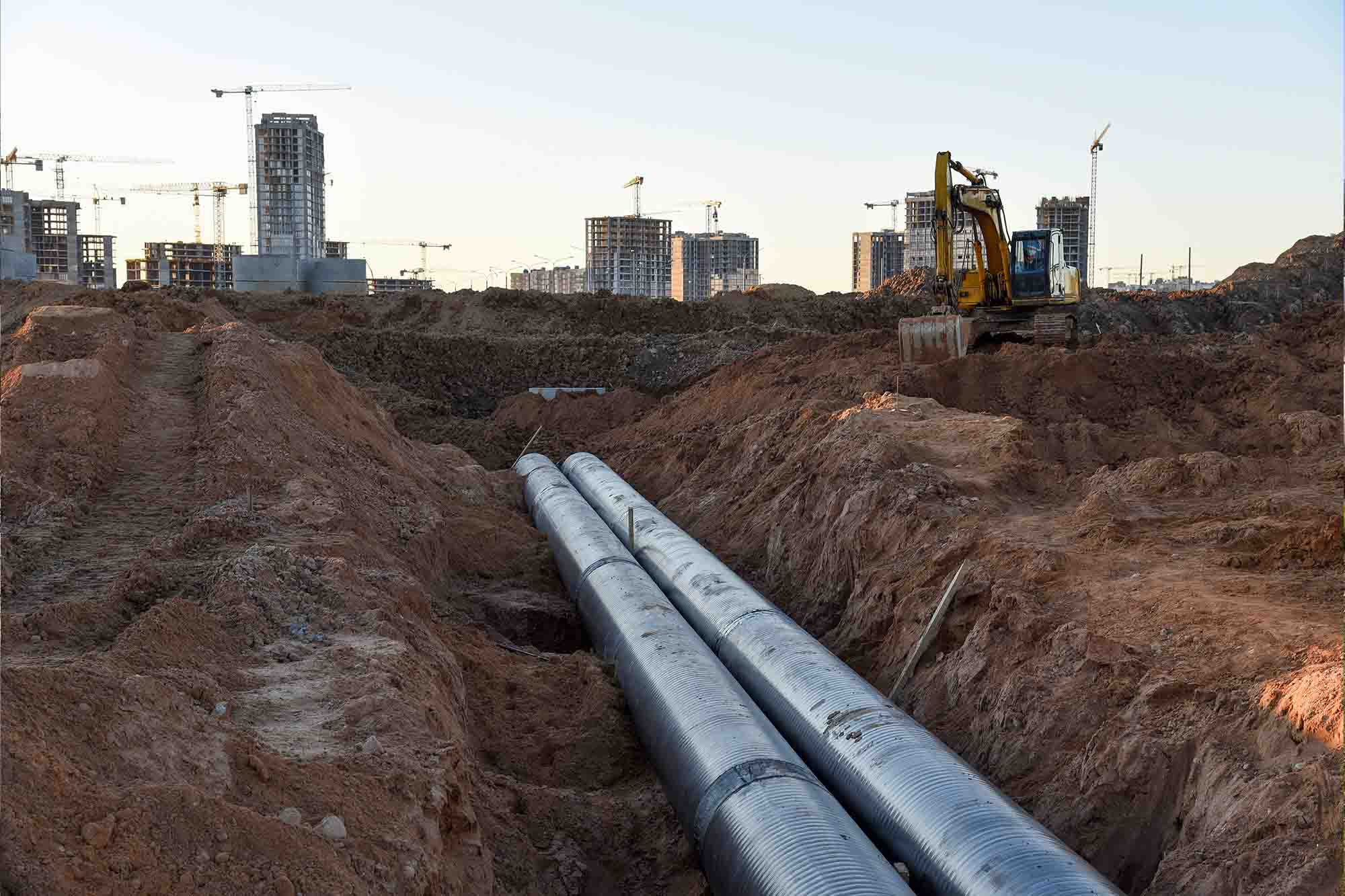
Key Selection Factors
Pressure and Load Requirements
Match material capability to operating conditions:
Working pressure >25 bar: Steel pipe or high-pressure ductile iron (PN35-PN50)
Working pressure 10-25 bar: Ductile iron pipe (PN16-PN25) — optimal balance
Working pressure <10 bar: Ductile iron, PVC, or HDPE depending on diameter
Deep burial (>3m): Ductile iron or concrete — superior beam strength
Heavy traffic loads: Ductile iron — handles dynamic loads without fatigue
Soil and Environmental Conditions
Corrosion risk assessment drives material and protection selection:
>20,000 ohm-cm: Low corrosion risk — standard ductile iron acceptable
5,000-20,000 ohm-cm: Moderate risk — polyethylene encasement recommended
<5,000 ohm-cm: High risk — HDPE or enhanced protection required
pH <6 or >9: Aggressive — consider HDPE or concrete
Stray current present: Cathodic protection mandatory for metallic pipes
Installation Method
Open-cut trench: All materials suitable — select based on other factors
Directional drilling: HDPE preferred — continuous fused joints, flexibility
Pipe bursting: HDPE — pulled through existing pipe
Microtunneling: Ductile iron or concrete — jacking pipe with special joints
Underwater crossing: HDPE or steel with weight coating — buoyancy control
Hydraulic Performance
Internal roughness affects pumping costs over decades:
| Material | Hazen-Williams C Factor (New) | C Factor (20 years) | Relative Pumping Cost |
|---|---|---|---|
| Ductile Iron (cement-lined) | 140-150 | 130-140 | Baseline |
| PVC | 150-155 | 150-155 | -5% to -10% |
| HDPE | 150-155 | 150-155 | -5% to -10% |
| Steel (cement-lined) | 140-150 | 120-135 | +5% to +15% |
| Concrete (mortar-lined) | 130-140 | 110-130 | +10% to +20% |
Tiegu Supply Chain Perspective
When sourcing water main pipe materials from China, supplier capability verification becomes critical. Tiegu integrates production capacity across qualified Chinese foundries, delivering compliant and high-quality casting products to buyers worldwide. For ductile iron pipe procurement, this means we coordinate with manufacturers holding ISO 2531, EN 545, and AWWA C151 certifications, ensuring material test reports, hydrostatic test records, and dimensional inspections meet international standards before shipment.
📋 Get Free Technical Quotation
Share your pipeline specifications and pressure requirements — receive competitive pricing within 24 hours
Recommendations by Application
Municipal Water Distribution (Residential/Commercial)
Recommended: Ductile iron pipe 100mm-600mm, PN16
Balances cost, strength, and longevity
Complete fitting and valve ecosystem
Handles traffic loads and ground movement
50-100 year expected service life
Water Transmission Mains (Source to Treatment)
Recommended: Ductile iron pipe 400mm-1600mm, PN25-PN35, or steel for >25 bar
High pressure capability
Minimal joints reduce leak points
Superior surge pressure resistance
Cement mortar lining maintains water quality
Rural Water Systems
Recommended: HDPE 63mm-315mm for low-pressure distribution
Cost-effective for lower demand
Fused joints eliminate leaks
Flexible — adapts to ground movement
Lightweight — easier transport to remote sites
Industrial Process Water
Recommended: Steel pipe with appropriate linings, or ductile iron for moderate conditions
Custom pressure ratings
Chemical-resistant linings available
Large diameter capability
High temperature tolerance
Common Mistakes to Avoid
Summary: Key Takeaways
Ductile iron pipe dominates municipal water mains — best balance of strength, longevity, and system compatibility for 100mm-1600mm diameters
PVC and HDPE serve niche applications — smaller diameters, low pressure, trenchless installations, corrosion-prone environments
Steel and concrete handle specialized needs — extreme pressure, very large diameters, industrial applications
Lifecycle cost beats initial price — 50-100 year service life justifies higher upfront investment in quality materials
Soil conditions drive protection requirements — corrosivity testing determines whether standard or enhanced protection is needed
Next Steps for Your Project
Ready to specify water main pipe materials for your municipal or industrial project? Share your pipeline layout, operating pressure requirements, soil conditions, and target market standards. We'll match your specifications with certified manufacturers, verify production capacity, and coordinate quality inspections before shipment — ensuring your water infrastructure performs reliably for decades.
📞 Contact Us for Water Main Pipe Solutions
Tiegu — Professional Casting Export Partner
📱 WhatsApp / WeChat: +86 152 5613 5588
📧 Email: zbw@tiegu.net
🌐 Website: www.ductileironpipe2600.com
💬 Inquiry Form: Submit Your Requirements
Response Time: We typically respond within 24 hours with technical specifications, pricing, and delivery timelines for your water main pipe project.
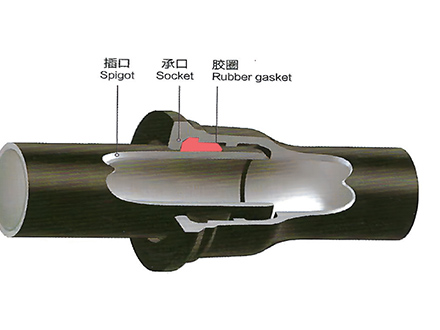 GT-type Joint Ductile Iron Pipe
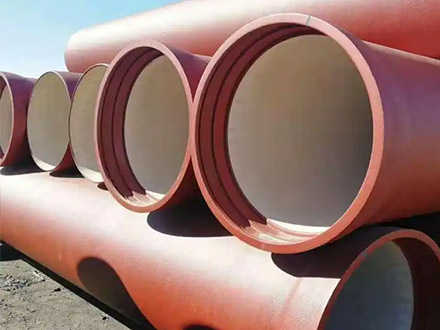
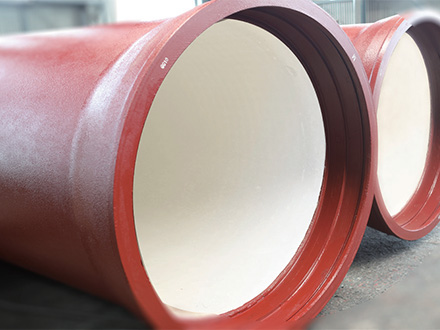 Sewage Pipe (Ductile Iron Sewage Pipe)
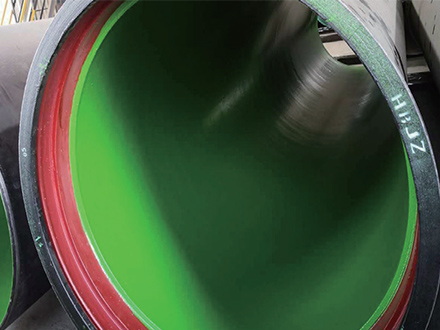 Special Coating Pipe (Ductile Iron Pipe with Special Coatings)