

How Much Deflection Is Allowed for Ductile Iron Pipe Joints?
What Should Be Done in Case of Uneven Foundation Settlement?
In buried pipeline systems, perfect alignment is rarely achieved in real construction conditions.
Minor trench deviations, soil variability, and long-term settlement all affect pipeline geometry.
This is why ductile iron pipe joints are designed with allowable angular deflection.
But how much deflection is permitted?
And what happens when ground settlement exceeds expectations?
This article explains the engineering meaning of joint deflection and how flexible joints perform in complex geological conditions.
For reference on different ductile iron pipe joint configurations and flexibility ranges, you may consult the detailed joint and connection system overview available on our technical section.
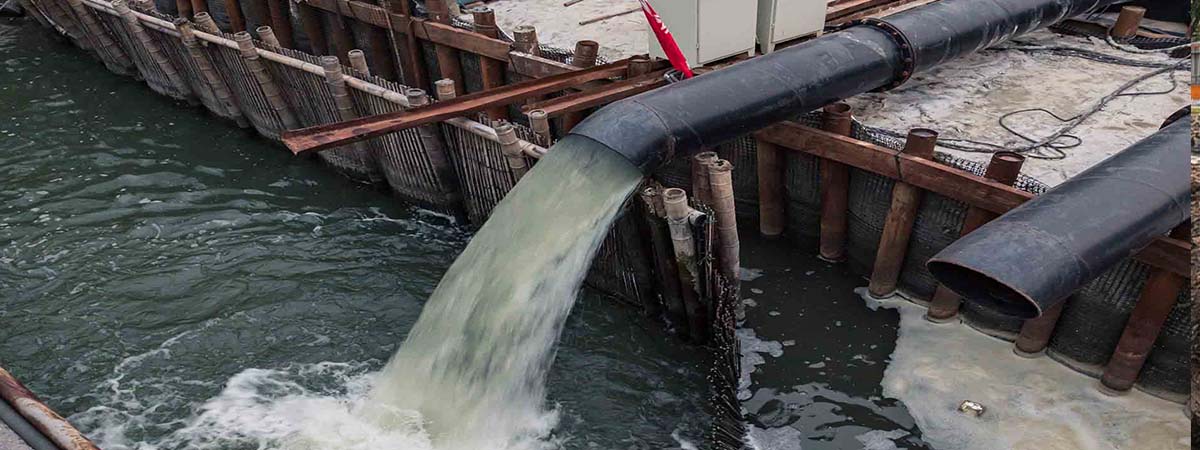
1. How Much Deflection Is Typically Allowed?
Ductile iron push-on joints allow a limited angular deflection between adjacent pipes.
The exact value depends on:
Pipe diameter
Joint type (standard push-on, restrained, self-anchored)
Manufacturer specification
In general engineering practice:
Smaller diameters allow slightly larger angular deflection
Larger diameters have more limited angular tolerance
Typical deflection ranges are usually within a few degrees per joint, designed to:
Absorb minor alignment errors
Accommodate small ground movement
Reduce stress concentration
It is important to understand:
Allowable deflection is a controlled design parameter — not a correction method for major misalignment.
2. What Is the Engineering Meaning of Joint Deflection?
Joint deflection is not simply “pipe bending.”
It represents the ability of the connection system to:
Maintain gasket compression under angular displacement
Distribute stress along the sealing surface
Prevent rigid force transfer between pipe sections
In buried pipelines, completely rigid systems may experience:
Stress concentration at joints
Cracking under settlement
Loss of sealing under small structural shifts
Controlled deflection allows the pipeline to behave as a flexible structural chain rather than a rigid beam.
This flexibility significantly improves long-term service reliability.
3. Why Flexible Joints Perform Better in Complex Soil Conditions
In real projects, soil conditions may include:
Soft clay layers
Mixed backfill materials
Seasonal moisture variation
Traffic or surface load impact
Uneven settlement is therefore common.
When differential settlement occurs:
One pipe section may rotate slightly
Vertical displacement may develop between segments
Flexible ductile iron pipe joints can:
Tolerate limited angular movement
Maintain sealing pressure despite slight rotation
Reduce bending stress transferred to the pipe barrel
This adaptability makes ductile iron pipelines particularly suitable for municipal infrastructure in non-uniform soil environments.
For a broader technical explanation of flexible versus restrained joint structures, refer to the comparison guide within the ductile iron pipe joint system section.
4. What Should Be Done in Case of Uneven Settlement?
If uneven foundation settlement is anticipated or observed, the following engineering measures are recommended:
1. Improve Bedding Support
Ensure uniform trench bottom preparation
Avoid voids beneath joints
Apply consistent compaction around the pipe
Good bedding reduces rotation and stress concentration.
2. Control Deflection Within Design Limits
Even though joints allow flexibility, excessive angular deviation may:
Distort gasket compression
Reduce sealing reliability
Field supervision should verify that deflection does not exceed specified limits.
3. Consider Restrained or Special Joint Systems in High-Risk Areas
In locations such as:
Steep slopes
High-pressure zones
Areas with known settlement risk
Restrained or self-anchored joints may be more appropriate.
These systems provide additional axial stability while maintaining sealing performance.
5. Field Experience Summary
From practical construction experience:
Most minor settlement can be absorbed by flexible joints without leakage
Problems arise when bedding preparation is neglected
Excessive reliance on joint flexibility often indicates poor trench control
Joint deflection is a protective design feature — not a substitute for proper foundation engineering.
Technical Conclusion
Ductile iron pipe joints allow controlled angular deflection to:
Maintain sealing under minor alignment deviations
Absorb small soil movements
Improve structural adaptability in buried systems
When foundation settlement is uneven, proper bedding, deflection control, and appropriate joint selection are essential to long-term pipeline safety.
Flexible joint design is one of the key reasons ductile iron pipes remain widely used in complex underground environments.
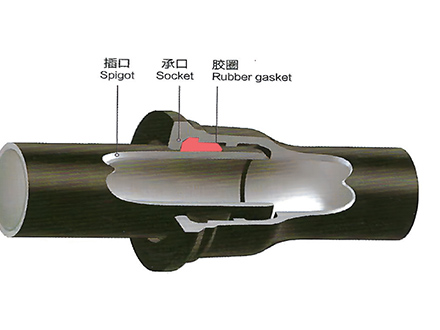 GT-type Joint Ductile Iron Pipe
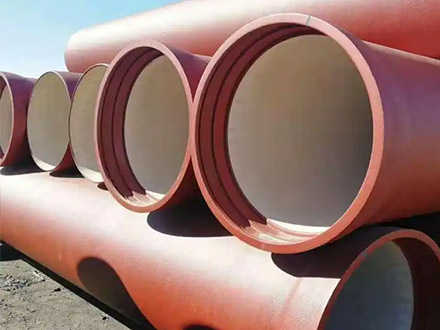
 Sewage Pipe (Ductile Iron Sewage Pipe)
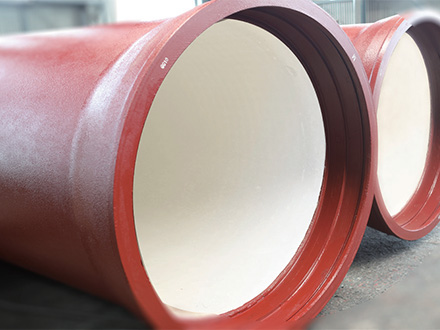
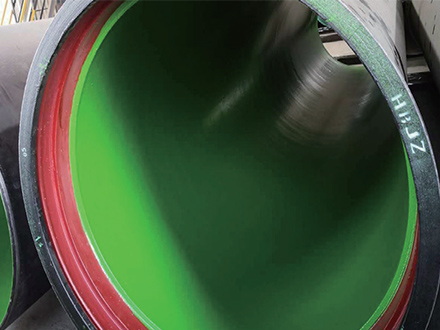 Special Coating Pipe (Ductile Iron Pipe with Special Coatings)